
Andere Kunden interessierten sich auch für
 Music, History, and Ideas60,00 €
 Choral Singing in Human Culture and Evolution40,99 €
 Singing the Resurrection92,99 €
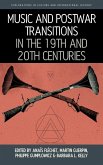
 Music and Postwar Transitions in the 19th and 20th Centuries131,99 €
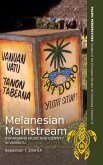
 Melanesian Mainstream131,99 €
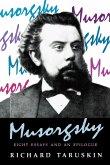
 Musorgsky48,99 €
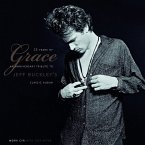
 25 Years of Grace44,99 €
Singing Ideas: this is a highly original concept that echoes of A.B. Lord's seminal work of oral theory entitled 'The Singer of Tales', but ultimately fuses oral theory and performance theory with social and anthropological theory which makes it very distinctive. This is the first full length monograph to theorize singing as thought formation, and also includes the theorization of song as a liminal ludic space. This is the first scholarly analysis in English of this important non-literate female song composer, Máire Bhuí Ní Laeire, and tells the story of her contribution to the development of anti-colonial thought through song, thus re-imagining the contribution of women to the history of thought. This book challenges academic assumptions about the pre-eminence of literate culture, and makes a claim for the sheer centrality of oral tradition and performance practices in the generation of ideas in society.