
Andere Kunden interessierten sich auch für
 Colonial Slavery37,99 €
") Europeans as Coastal Brokers in the West and West-Central African Slave Trade (1680-1720)122,99 €
Europeans as Coastal Brokers in the West and West-Central African Slave Trade (1680-1720)122,99 € Another Jerusalem169,99 €
 Slavery in the Black Sea Region, C.900-1900219,99 €
 The Last Slave Ship13,99 €
 Slave Trade and the Economic Development of 18th-Century Lancaster180,99 €
 Slaving Zones196,99 €




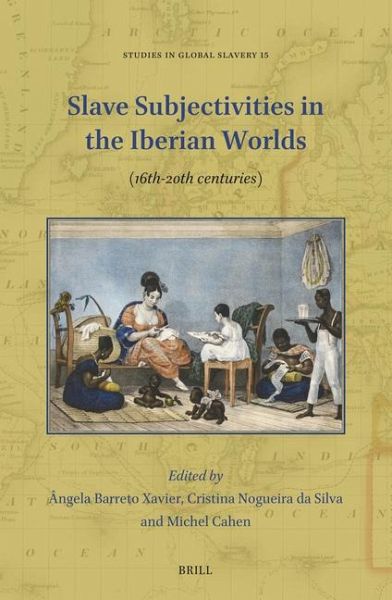
The Iberian world played a key role in the global trade of enslaved people from the 15th century onwards. Scholars of Iberian forms of slavery face challenges accessing the subjectivity of the enslaved, given the scarcity of autobiographical sources. This book offers a compelling example of innovative methodologies that draw on alternative archives and documents, such as inquisitorial and trial records, to examine enslaved individuals' and collective subjectivities under Iberian political dominion. It explores themes such as race, gender, labour, social mobility and emancipation, religion, and politics, shedding light on the lived experiences of those enslaved in the Iberian world from the Indian Ocean to the Atlantic. Contributors are: Magdalena Candioti, Robson Pedroso Costa, Rômulo da Silva Ehalt, James Fujitani, Michel Kabalan, Silvia Lara, Marta Macedo, Hebe Mattos, Michelle McKinley, Sophia Blea Nuñez, Fernanda Pinheiro, João José Reis, Patricia Faria de Souza, Lisa Surwillo, Miguel Valerio and Lisa Voigt. Slave Subjectivities in the Iberian Worlds is now available in paperback for individual customers.