
Andere Kunden interessierten sich auch für
 The Case for Women's Suffrage30,99 €
 The Irish Labor Movement, From the 'Twenties to our Own Day31,99 €
 (Thirty Second Thousand)") The Secret History Of The Oxford Movement, With A New Preface Containing A Reply To Critics (Fifth Edition) (Thirty Second Thousand)50,99 €
The Secret History Of The Oxford Movement, With A New Preface Containing A Reply To Critics (Fifth Edition) (Thirty Second Thousand)50,99 € The Rambler in North America: 1832-1833; Volume 132,99 €
") Three Years' Results Of The Farthinghoe Clothing Society (1832)16,99 €
Three Years' Results Of The Farthinghoe Clothing Society (1832)16,99 € Letters, 1832-189930,99 €
 Global Voices from the Women's Library at the World's Columbian Exposition106,99 €




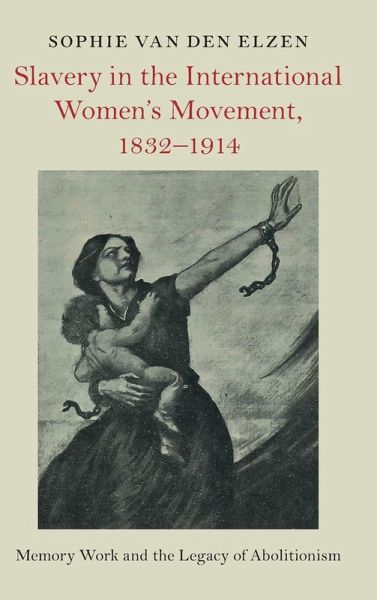
In this book, Sophie van den Elzen shows how advocates for women's rights, in the absence of their 'own' history, used the antislavery movement as a historical reference point and model. Through a detailed analysis of a wide range of sources produced over the span of almost a century, including novels, journals, speeches, pamphlets, and posters, van den Elzen reveals how the women's movement gradually diverged from a position of solidarity with the enslaved into one of opposition, based on hierarchical assumptions about class and race. This inclusive cultural survey provides a new understanding of the ways in which the cultural memory of Anglo-American antislavery was imported and adapted across Europe and the Atlantic world, and it breaks new ground in studying the "woman-slave analogy" from a longitudinal and transnational comparative perspective. This title is also available as open access on Cambridge Core.