
Andere Kunden interessierten sich auch für
 A Companion to the Waldenses in the Middle Ages244,99 €
 The Medieval Devil88,99 €
 Medieval East Anglia165,99 €
 Antonio Da Rho, Three Dialogues Against Lactantius244,99 €
 Heresy, Crusade and Inquisition in Medieval Quercy127,99 €
 A Companion to the Abbey of Saint Victor in Paris305,99 €
 Byzantine Philosophy143,99 €



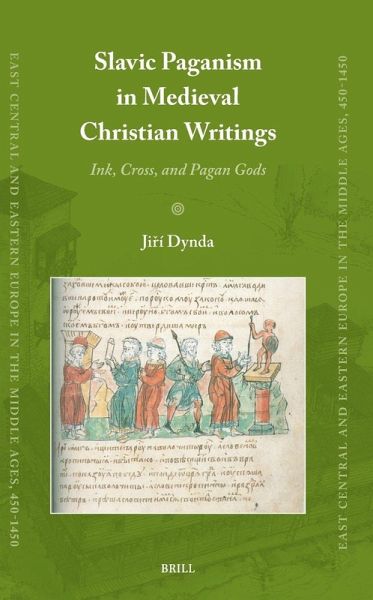
How did medieval Christian writers shape our understanding of Slavic paganism? What prompted men like Thietmar of Merseburg, Saxo Grammaticus, Cosmas of Prague, or the anonymous Old Russian preacher to write detailed accounts of Slavic rituals, deities, and nearly forgotten tales? This volume examines the discursive strategies these authors used to describe, distort, and redefine pre-Christian Slavic religion. Through over a dozen case studies, the author explores texts, archaeological evidence, and ethnographic data that reveal how Christianity attempted to reframe pagan traditions. With innovative interpretations and interdisciplinary methods, this book offers novel perspectives on the study of Slavic pre-Christian religions in the Middle Ages.