
Andere Kunden interessierten sich auch für
 Slavery in the Black Sea Region, C.900-190060,99 €
 Ports of Globalisation, Places of Creolisation59,99 €
 The Danish Slave Trade and Its Abolition61,99 €
 Freedom and the Construction of Europe 2 Volume Hardback Set159,99 €
 Histoire des deux Indes54,99 €
 The Slaves' War15,99 €
 101 Things You Didn't Know about the Civil War12,99 €







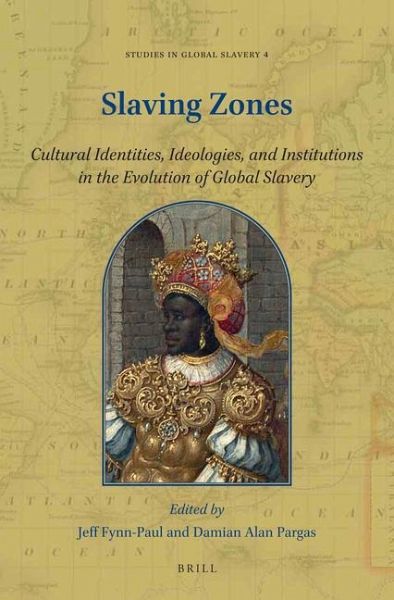
In Slaving Zones: Cultural Identities, Ideologies, and Institutions in the Evolution of Global Slavery, fourteen authors--including both world-leading and emerging historians of slavery--engage with the 'Slaving Zones' theory. This theory has recently taken the field of Mediterranean slavery studies by storm, and the challenge posed by the editors was to see if the 'Slaving Zones' theory could be applied in the wider context of long-term global history. The results of this experiment are promising. In the Introduction, Jeff Fynn-Paul points out over a dozen ways in which the contributors have added to the concept of 'Slaving Zones', helping to make it one of the more dynamic theories of global slavery since the advent of Orlando Patterson's Slavery and Social Death.