

Andere Kunden interessierten sich auch für
 Homes for Our Time. Small Houses60,00 €
 Homes For Our Time. Small Houses. 45th Ed.25,00 €
 URLAUBSARCHITEKTUR - Selection 201936,95 €
 URLAUBSARCHITEKTUR - ORTE & VISIONEN46,95 €
 Winzig²30,00 €
 Cabins. 45th Ed.25,00 €
 Tibetan Houses98,00 €



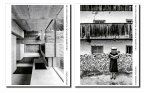



In recent decades demographic shifts have significantlyinfluenced young peoples' residential preference.Due to the rise of single-person households,smaller family sizes, and the desire for lower maintenanceand utility costs, many young individualsare choosing to live in smaller, efficient spaces inproximity to work and urban amenities. Thesechanges have led to an increase demand for multi-functional, space-efficient designs.As people's daily routines and expectationsevolve, the design of living spaces must adapt accordingly.The need for multifunctional rooms hasbecome apparent; a living room that seamlesslytransitions into a home office represents just oneof the many adaptations that modern dwellers require.Architects, interior designers, and homebuildersare responding with innovative solutionslike convertible furniture, built-in storage, andopen-plan layouts that facilitate a compact butcomfortable living environment.An often-discussed notion in design and constructionis sustainability. Its origin and widespreaduse of the term sustainable development can beattributed to events and circumstances that occurredseveral decades ago. The 1992 United NationsConference on the Human Environment inStockholm addressed concerns regarding humanity'spotential overuse of the earth's »carrying capacity«.As people's awareness of protecting our livingenvironment increases, the choice of smallerhomes is becoming a more common and environmentallyresponsible decision. This shift is drivenby the need to reduce resource consumption, assmaller homes require fewer materials for construction,maintenance, and repairs. Moreover, smallerhomes are inherently more energy-efficient due totheir reduced space, which requires less energy forheating and cooling. Additionally, the smaller footprintmeans using less land per dwelling unit.