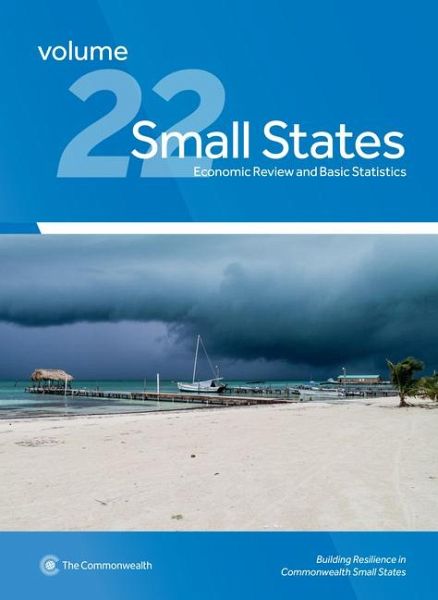
Explore robust economic insights into Commonwealth Small States through a detailed survey of development indicators and statistical trends. This analytical assessment illuminates growth patterns, challenges, and achievements, offering a data-rich perspective on the unique economic landscape of these nations.
Explore robust economic insights into Commonwealth Small States through a detailed survey of development indicators and statistical trends. This analytical assessment illuminates growth patterns, challenges, and achievements, offering a data-rich perspective on the unique economic landscape of these nations.
1. Part 1. The long road to recovery in Commonwealth small states 2. 1. The economic impacts of overlapping shocks 3. Key messages 4. 1.1. Introduction 5. 1.2. Recovery in an uncertain world 6. 1.3. Inflation trends across Commonwealth small states 7. 1.4. Growing fiscal pressure 8. 1.5. Current account trends across Commonwealth small states 9. 2. Socio-economic implications of recurring shocks 10. Key messages 11. 2.1. The effects on food security 12. 2.2. Poverty implications of shocks in CWSS 13. 2.3. Multidimensional impacts of shocks on education and health outcomes 14. 2.4. The gendered impact of shocks and impacts on other marginalised groups 15. 2.5 Implications for attainment of the Sustainable Development Goals 16. 3. Thematic issues affecting Commonwealth small states: key economic drivers in CWSS and the need for resilience building 17. Key messages 18. 3.1. Vulnerabilities from multiple angles 19. 3.2. Tourism's recovery post-COVID 20. 3.3. Foreign direct investment trends across CWSS 21. 3.4. CWSS and remittances 22. 3.5. CWSS and agriculture, forestry and fishing 23. 4. Rising debt and debt servicing costs: implications for sustainable development in small states 24. Key messages 25. 4.1. Recent trends in debt across CWSS 26. 4.2. Debt distress in CWSS 27. 4.3. The cost of the cost of borrowing 28. 5. Building resilience: the path forward for Commonwealth small states 29. References 30. Part 2. Preserving paradise: towards regenerative tourism for resilience 31. 6. Introduction 32. 6.1. Sustainable and regenerative tourism: two sides of the same coin? 33. 6.2. Experiences across CWSS 34. 7. The Belize story: a holistic path to sustainable tourism 35. 7.1. Overview 36. 7.2. A multi-stakeholder approach to sustainable tourism 37. 7.3. Funding mechanisms for conservation and sustainable tourism 38. 7.4. Preserving Belize's rich cultural history through tourism 39. 7.5. Paving the way for sustainable and regenerative tourism through eco-tourism 40. 7.6. Key lessons 41. 8. Preserving the natural heritage of Seychelles through sustainable tourism 42. 8.1. Overview 43. 8.2. Pioneering innovative financing and fostering partnerships for sustainable tourism8.3 Promoting sustainable and regenerative travel through the Sustainable Seychelles Certification Programme 44. 8.4 Seychelles' growing eco-tourism landscape and sustainability practices 45. 8.5. Restoring the beauty of Seychelles' coral reefs 46. 8.6. Key lessons 47. 9. Embracing sustainable tourism for a resilient, inclusive and green Samoa 48. 9.1. A jewel in the Pacific: overview and background 49. 9.2. Government-led sustainability: proactive actions and policies 50. 9.3. The role of the hospitality and transport sector 51. 9.4. Empowering communities: the importance of local involvement 52. 9.5. Preserving nature: environmental initiatives 53. 9.6. Regenerative tourism initiatives 54. 9.7. Key lessons 55. 10. Recovering, rethinking and revitalising the tourism industry in Malta 56. 10.1. Overview 57. 10.2 Strategy: recover, rethink, revitalise 58. 10.3. Environmental and circular economy approaches 59. 10.4. Community, culture and public involvement 60. 10.6. Key lessons 61. 11. Conclusions 62. References 63. Statistical annexes
1. Part 1. The long road to recovery in Commonwealth small states 2. 1. The economic impacts of overlapping shocks 3. Key messages 4. 1.1. Introduction 5. 1.2. Recovery in an uncertain world 6. 1.3. Inflation trends across Commonwealth small states 7. 1.4. Growing fiscal pressure 8. 1.5. Current account trends across Commonwealth small states 9. 2. Socio-economic implications of recurring shocks 10. Key messages 11. 2.1. The effects on food security 12. 2.2. Poverty implications of shocks in CWSS 13. 2.3. Multidimensional impacts of shocks on education and health outcomes 14. 2.4. The gendered impact of shocks and impacts on other marginalised groups 15. 2.5 Implications for attainment of the Sustainable Development Goals 16. 3. Thematic issues affecting Commonwealth small states: key economic drivers in CWSS and the need for resilience building 17. Key messages 18. 3.1. Vulnerabilities from multiple angles 19. 3.2. Tourism's recovery post-COVID 20. 3.3. Foreign direct investment trends across CWSS 21. 3.4. CWSS and remittances 22. 3.5. CWSS and agriculture, forestry and fishing 23. 4. Rising debt and debt servicing costs: implications for sustainable development in small states 24. Key messages 25. 4.1. Recent trends in debt across CWSS 26. 4.2. Debt distress in CWSS 27. 4.3. The cost of the cost of borrowing 28. 5. Building resilience: the path forward for Commonwealth small states 29. References 30. Part 2. Preserving paradise: towards regenerative tourism for resilience 31. 6. Introduction 32. 6.1. Sustainable and regenerative tourism: two sides of the same coin? 33. 6.2. Experiences across CWSS 34. 7. The Belize story: a holistic path to sustainable tourism 35. 7.1. Overview 36. 7.2. A multi-stakeholder approach to sustainable tourism 37. 7.3. Funding mechanisms for conservation and sustainable tourism 38. 7.4. Preserving Belize's rich cultural history through tourism 39. 7.5. Paving the way for sustainable and regenerative tourism through eco-tourism 40. 7.6. Key lessons 41. 8. Preserving the natural heritage of Seychelles through sustainable tourism 42. 8.1. Overview 43. 8.2. Pioneering innovative financing and fostering partnerships for sustainable tourism8.3 Promoting sustainable and regenerative travel through the Sustainable Seychelles Certification Programme 44. 8.4 Seychelles' growing eco-tourism landscape and sustainability practices 45. 8.5. Restoring the beauty of Seychelles' coral reefs 46. 8.6. Key lessons 47. 9. Embracing sustainable tourism for a resilient, inclusive and green Samoa 48. 9.1. A jewel in the Pacific: overview and background 49. 9.2. Government-led sustainability: proactive actions and policies 50. 9.3. The role of the hospitality and transport sector 51. 9.4. Empowering communities: the importance of local involvement 52. 9.5. Preserving nature: environmental initiatives 53. 9.6. Regenerative tourism initiatives 54. 9.7. Key lessons 55. 10. Recovering, rethinking and revitalising the tourism industry in Malta 56. 10.1. Overview 57. 10.2 Strategy: recover, rethink, revitalise 58. 10.3. Environmental and circular economy approaches 59. 10.4. Community, culture and public involvement 60. 10.6. Key lessons 61. 11. Conclusions 62. References 63. Statistical annexes
Es gelten unsere Allgemeinen Geschäftsbedingungen: www.buecher.de/agb
Impressum
www.buecher.de ist ein Internetauftritt der buecher.de internetstores GmbH
Geschäftsführung: Monica Sawhney | Roland Kölbl | Günter Hilger
Sitz der Gesellschaft: Batheyer Straße 115 - 117, 58099 Hagen
Postanschrift: Bürgermeister-Wegele-Str. 12, 86167 Augsburg
Amtsgericht Hagen HRB 13257
Steuernummer: 321/5800/1497
USt-IdNr: DE450055826