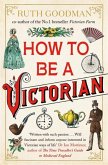
Presents concepts in interdisciplinary social studies, discusses the uses of genre for rhetorical and social purposes, and exposes paradoxes of the era. The coherent style, abundant examples, discussion questions, and literary glossary make this book a valuable supplement for readers of the Victorian novel.
Presents concepts in interdisciplinary social studies, discusses the uses of genre for rhetorical and social purposes, and exposes paradoxes of the era. The coherent style, abundant examples, discussion questions, and literary glossary make this book a valuable supplement for readers of the Victorian novel.
Jill Franks teaches English literature and film at the University of Massachusetts Amherst.
Inhaltsangabe
Table of Contents Preface Introduction-The Victorian Age: Progress and Paradox I. Wuthering Heights (1847) 1. Heathcliff's Social Climbing 2. Masculine Privilege, Absent Mothers, Merging Lovers: Gender Roles and Love Relationships II. Jane Eyre (1847) 3. Judging People by Color, Physiognomy, and Phrenology 4. Wide Sargasso Sea-Dark Secrets of the Caribbean: Hatred, Murder, Madness III. Vanity Fair (1848) 5. Race and Empire 6. Aporia, Metafiction, and the Narrator IV. North and South (1854) 7. Roman Daughter and Milquetoast Father 8. Regional and Class Prejudice V. A Tale of Two Cities (1859) 9. London versus Paris: Is This a Competition? 10. Allegory and Personification 11. Law and Justice VI. Great Expectations (1861) 12. Little Pip's Outsized Guilt 13. Jack Maggs-Magwitch Writes Back 14. Refining Fire and Doppelgänger Devils 15. Anti-Semitism, Casual Racism, and Pedagogy VII. Middlemarch (1871) 16. Angel of Destruction or Spacious Mind? 17. Mrs. Cadwallader, Busybody 18. What Is a Gentleman? 19. Dorothea and Lydgate's Unrealized Potential VIII. Far from the Madding Crowd (1874) 20. Bathsheba's Feminism 21. The Role of the Rustics 22. Hardy's Life and Loves IX. The Strange Case of Dr. Jekyll and Mr. Hyde (1886) 23. Jekyll's Downfall-Sadism or Repression? 24. Dr. Jekyll and Mary Reilly: Abuse, Trauma, and Gender X. Tess of the D'Urbervilles (1891) 25. Hardy's Modernity and Cosmic Irony 26. Pagan versus Christian Values XI. The Odd Women (1893) 27. The Challenge of Writing a Novel of Ideas 28. The Skewed Income Scale: Intersections of Gender and Class Appendix A: Discussion Questions Appendix B: Glossary of Literary and Historical Terms Acknowledgments Index
Table of Contents Preface Introduction-The Victorian Age: Progress and Paradox I. Wuthering Heights (1847) 1. Heathcliff's Social Climbing 2. Masculine Privilege, Absent Mothers, Merging Lovers: Gender Roles and Love Relationships II. Jane Eyre (1847) 3. Judging People by Color, Physiognomy, and Phrenology 4. Wide Sargasso Sea-Dark Secrets of the Caribbean: Hatred, Murder, Madness III. Vanity Fair (1848) 5. Race and Empire 6. Aporia, Metafiction, and the Narrator IV. North and South (1854) 7. Roman Daughter and Milquetoast Father 8. Regional and Class Prejudice V. A Tale of Two Cities (1859) 9. London versus Paris: Is This a Competition? 10. Allegory and Personification 11. Law and Justice VI. Great Expectations (1861) 12. Little Pip's Outsized Guilt 13. Jack Maggs-Magwitch Writes Back 14. Refining Fire and Doppelgänger Devils 15. Anti-Semitism, Casual Racism, and Pedagogy VII. Middlemarch (1871) 16. Angel of Destruction or Spacious Mind? 17. Mrs. Cadwallader, Busybody 18. What Is a Gentleman? 19. Dorothea and Lydgate's Unrealized Potential VIII. Far from the Madding Crowd (1874) 20. Bathsheba's Feminism 21. The Role of the Rustics 22. Hardy's Life and Loves IX. The Strange Case of Dr. Jekyll and Mr. Hyde (1886) 23. Jekyll's Downfall-Sadism or Repression? 24. Dr. Jekyll and Mary Reilly: Abuse, Trauma, and Gender X. Tess of the D'Urbervilles (1891) 25. Hardy's Modernity and Cosmic Irony 26. Pagan versus Christian Values XI. The Odd Women (1893) 27. The Challenge of Writing a Novel of Ideas 28. The Skewed Income Scale: Intersections of Gender and Class Appendix A: Discussion Questions Appendix B: Glossary of Literary and Historical Terms Acknowledgments Index
Es gelten unsere Allgemeinen Geschäftsbedingungen: www.buecher.de/agb
Impressum
www.buecher.de ist ein Internetauftritt der buecher.de internetstores GmbH
Geschäftsführung: Monica Sawhney | Roland Kölbl | Günter Hilger
Sitz der Gesellschaft: Batheyer Straße 115 - 117, 58099 Hagen
Postanschrift: Bürgermeister-Wegele-Str. 12, 86167 Augsburg
Amtsgericht Hagen HRB 13257
Steuernummer: 321/5800/1497
USt-IdNr: DE450055826