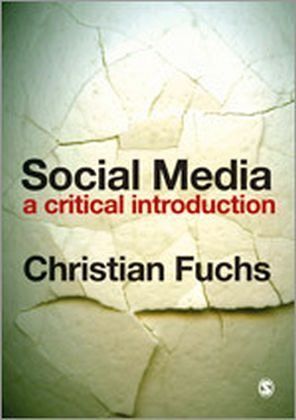
Now more than ever, we need to understand social media - the good as well as the bad. We need critical knowledge that helps us to navigate the controversies and contradictions of this complex digital media landscape. Only then can we make informed judgements about what's happening in our media world, and why. Showing the reader how to ask the right kinds of questions about social media, Christian Fuchs takes us on a journey across social media, delving deep into case studies on Google, Facebook, Twitter, WikiLeaks and Wikipedia. The result lays bare the structures and power relations at the…mehr
Now more than ever, we need to understand social media - the good as well as the bad. We need critical knowledge that helps us to navigate the controversies and contradictions of this complex digital media landscape. Only then can we make informed judgements about what's happening in our media world, and why.
Showing the reader how to ask the right kinds of questions about social media, Christian Fuchs takes us on a journey across social media, delving deep into case studies on Google, Facebook, Twitter, WikiLeaks and Wikipedia. The result lays bare the structures and power relations at the heart of our media landscape.
This book is the essential, critical guide for all students of media studies and sociology. Readers will never look at social media the same way again.
Die Herstellerinformationen sind derzeit nicht verfügbar.
Autorenporträt
Christian Fuchs is professor at and the Director of the University of Westminster's Communication and Media Research Institute. He is also the Director of the Westminster Institute of Advanced Studies at the University of Westminster. He is editor of the journal /tripleC: Communication, Capitalism & Critique/ and author of more than 300 publications in the field of the political economy and critical theory of media, communications and the Internet.
He is a member of the European Sociological Association's Executive Committee. As well as /Social Media: A Critical Introduction/ (2014), he is the author of /Reading Marx in the Information Age: A Media and Communication Studies Perspective on Capital Volume 1/ (2016), /Culture and Economy in the Age of Social Media/ (2015), /Digital Labour and Karl Marx/ (2014), /OccupyMedia! The Occupy Movement and Social Media in Crisis Capitalism/ (2014), /Foundations of Critical Media and Information Studies/ (2011), and /Internet and Society: So
cial Theory in the Information Age /(2008).
Inhaltsangabe
'1. What is a Critical Introduction to Social Media? Social Media and the Arab Spring Social Media and the Occupy Movement Unpaid Work for the Huffington Post 1.1. What is Social about Social Media? Information and Cognition Communication Community Collaboration and Cooperative Work Information, Communication, Collaboration and Community Are Forms of Sociality. But What is Now Social About Facebook? 1.2. What is Critical Thinking and Why Does it Matter? Power Asking Critical Questions about Social Media and the Arab Spring Asking Critical Questions about Social Media and the Occupy Movement Asking Critical Questions about Unpaid Work for the Huffington Post 1.3. What is Critical Theory? You Want Me to Read Karl Marx? Are You Nuts? Why the Hell Should I Do That? So, You Tell Me That Marx Invented the Internet? How Can One Define Critical Theory? 1) Critical Theory Has a Normative Dimension 2) Critical Theory is a Critique of Domination and Exploitation 3) Critical Theory Uses Dialectical Reasoning as a Method of Analysis 4) Critical Theory is Connected to Struggles for a Just and Fair Society, it is an Intellectual Dimension of Struggles 5) Ideology Critique: Critical Theory is a Critique of Ideology 6) Critical Theory is a Critique of the Political Economy 1.4. Critical Theory Approaches The Frankfurt School - Not a Sausage, But a Critical Theory! Critical Political Economy of Media and Communication - Studying the Media and Communication Critically Critical Political Economy and the Frankfurt School are two Critical Theories. But do we really need two of them? Critical Theory and Critique of the Political Economy of Social Media PART ONE: FOUNDATIONS 2. What is Social Media? 2.1. Web 2.0 and Social Media Web 2.0 Critiques of Web 2.0 and Social Media Optimism How New are Social Media? 2.2. The Need of Social Theory for Understanding Social Media Definitions of Web 2.0 and Social Media Media and Social Theory Émile Durkheim: The Social as Social Facts Max Weber: The Social as Social Relations Ferdinand Tönnies: The Social as Community Karl Marx: The Social as Cooperative Work 2.3. Explaining Social Media with Durkheim, Weber, Marx and Tönnies A Model of Human Sociality Web 1.0, Web 2.0, Web 3.0 Empirically Studying Changes of the Web 3. Social Media as Participatory Culture 3.1. The Notion of Participation and Participatory Culture Social Media as Spreadable Media Participatory Culture Participatory Democracy Ignoring Ownership, Capitalism and Class: Cultural and Political Reductionism White Boys with "Participatory" Toys 3.2. Online Fan Culture and Politics Fan Culture as Politics? Is Online Fascism Participatory Culture? 3.3. Social Media and Participatory Culture Social Media Capitalism YouTube Blogs 3.4. Henry Jenkins and Digital Labour Dallas Smythe, Digital Labour and Henry Jenkins Social Media and Fans, Fans, Fans - Did Occupy, the Arab Spring and WikiLeaks Never Happen? 4. Social Media and Communication Power 4.1. Social Theory in the Information Age What is Social Theory? Castells: Social Theorist of the Internet in the Information Society? 4.2. Communication Power in the Network Society Castells on Power: An Essential Feature of All Societies? Communication Power and Technocratic Language 4.3. Communication Power, Social Media and Mass Self-Communication Mass Self-Communication Autonomy Power and Counterpower on the Internet and Social Media Media Power as Cultural Power: John B Thompson Media Power as Multidimensional Form of Economic, Political and Cultural Power The Asymmetric Dialectic of Media Power The Stratified Online Sphere Web 2.0 and 3.0 4.4. Communication Power in the Arab Spring and the Occupy Movement 2011: The Year of the Rebirth of History and Dangerous Dreaming The Arab Spring and Occupy Twitter and Facebook Revolutions? Castells Falsified: Empirical Research on the Role of the Media in Social Movements
I. FOUNDATIONS 1. Social Media: A Critical Introduction 2. What are Social Media? 3. Big Data in Digital Capitalism 4. The Power and Political Economy of Social Media II. PLATFORMS 5. Google: Good or Evil Search Engine? 6. Facebook and WhatsApp: Surveillance in the Age of Fake News 7. Influencer Capitalism: Reified Consciousness in the Age of TikTok, Instagram, YouTube, and Snapchat 8. Elon Musk's Twitter and the Colonisation of Political Communication on Twitter: Political Economy, Digital Democracy, and the (Digital) Public Sphere 9. Right-Wing Authoritarianism and Digital Fascism on Social Media 10. TikTok and China's Political Economy in Global Capitalism III. FUTURES 11. Towards Truly Social Media
'1. What is a Critical Introduction to Social Media? Social Media and the Arab Spring Social Media and the Occupy Movement Unpaid Work for the Huffington Post 1.1. What is Social about Social Media? Information and Cognition Communication Community Collaboration and Cooperative Work Information, Communication, Collaboration and Community Are Forms of Sociality. But What is Now Social About Facebook? 1.2. What is Critical Thinking and Why Does it Matter? Power Asking Critical Questions about Social Media and the Arab Spring Asking Critical Questions about Social Media and the Occupy Movement Asking Critical Questions about Unpaid Work for the Huffington Post 1.3. What is Critical Theory? You Want Me to Read Karl Marx? Are You Nuts? Why the Hell Should I Do That? So, You Tell Me That Marx Invented the Internet? How Can One Define Critical Theory? 1) Critical Theory Has a Normative Dimension 2) Critical Theory is a Critique of Domination and Exploitation 3) Critical Theory Uses Dialectical Reasoning as a Method of Analysis 4) Critical Theory is Connected to Struggles for a Just and Fair Society, it is an Intellectual Dimension of Struggles 5) Ideology Critique: Critical Theory is a Critique of Ideology 6) Critical Theory is a Critique of the Political Economy 1.4. Critical Theory Approaches The Frankfurt School - Not a Sausage, But a Critical Theory! Critical Political Economy of Media and Communication - Studying the Media and Communication Critically Critical Political Economy and the Frankfurt School are two Critical Theories. But do we really need two of them? Critical Theory and Critique of the Political Economy of Social Media PART ONE: FOUNDATIONS 2. What is Social Media? 2.1. Web 2.0 and Social Media Web 2.0 Critiques of Web 2.0 and Social Media Optimism How New are Social Media? 2.2. The Need of Social Theory for Understanding Social Media Definitions of Web 2.0 and Social Media Media and Social Theory Émile Durkheim: The Social as Social Facts Max Weber: The Social as Social Relations Ferdinand Tönnies: The Social as Community Karl Marx: The Social as Cooperative Work 2.3. Explaining Social Media with Durkheim, Weber, Marx and Tönnies A Model of Human Sociality Web 1.0, Web 2.0, Web 3.0 Empirically Studying Changes of the Web 3. Social Media as Participatory Culture 3.1. The Notion of Participation and Participatory Culture Social Media as Spreadable Media Participatory Culture Participatory Democracy Ignoring Ownership, Capitalism and Class: Cultural and Political Reductionism White Boys with "Participatory" Toys 3.2. Online Fan Culture and Politics Fan Culture as Politics? Is Online Fascism Participatory Culture? 3.3. Social Media and Participatory Culture Social Media Capitalism YouTube Blogs 3.4. Henry Jenkins and Digital Labour Dallas Smythe, Digital Labour and Henry Jenkins Social Media and Fans, Fans, Fans - Did Occupy, the Arab Spring and WikiLeaks Never Happen? 4. Social Media and Communication Power 4.1. Social Theory in the Information Age What is Social Theory? Castells: Social Theorist of the Internet in the Information Society? 4.2. Communication Power in the Network Society Castells on Power: An Essential Feature of All Societies? Communication Power and Technocratic Language 4.3. Communication Power, Social Media and Mass Self-Communication Mass Self-Communication Autonomy Power and Counterpower on the Internet and Social Media Media Power as Cultural Power: John B Thompson Media Power as Multidimensional Form of Economic, Political and Cultural Power The Asymmetric Dialectic of Media Power The Stratified Online Sphere Web 2.0 and 3.0 4.4. Communication Power in the Arab Spring and the Occupy Movement 2011: The Year of the Rebirth of History and Dangerous Dreaming The Arab Spring and Occupy Twitter and Facebook Revolutions? Castells Falsified: Empirical Research on the Role of the Media in Social Movements
I. FOUNDATIONS 1. Social Media: A Critical Introduction 2. What are Social Media? 3. Big Data in Digital Capitalism 4. The Power and Political Economy of Social Media II. PLATFORMS 5. Google: Good or Evil Search Engine? 6. Facebook and WhatsApp: Surveillance in the Age of Fake News 7. Influencer Capitalism: Reified Consciousness in the Age of TikTok, Instagram, YouTube, and Snapchat 8. Elon Musk's Twitter and the Colonisation of Political Communication on Twitter: Political Economy, Digital Democracy, and the (Digital) Public Sphere 9. Right-Wing Authoritarianism and Digital Fascism on Social Media 10. TikTok and China's Political Economy in Global Capitalism III. FUTURES 11. Towards Truly Social Media
Rezensionen
This is the most complete and wide-ranging discussion of social media there is. An introduction not only to social media, but to critical theory and how it relates to contemporary digital culture, this book astutely illuminates an increasingly important social phenomenon that has become an integral part of modern daily living. Vincent Miller 20130902
In the fast-changing world of social media, it is imperative to have a text that changes with the times. With several new chapters covering Big Data, Trump, the challenge from China, platform capitalism and more, this thoroughly revised third edition of Social Media does just that, even as it retains a strong commitment to critical theory, democratic values, and digital activism.
Vincent Mosco 20201202
Es gelten unsere Allgemeinen Geschäftsbedingungen: www.buecher.de/agb
Impressum
www.buecher.de ist ein Internetauftritt der buecher.de internetstores GmbH
Geschäftsführung: Monica Sawhney | Roland Kölbl | Günter Hilger
Sitz der Gesellschaft: Batheyer Straße 115 - 117, 58099 Hagen
Postanschrift: Bürgermeister-Wegele-Str. 12, 86167 Augsburg
Amtsgericht Hagen HRB 13257
Steuernummer: 321/5800/1497
USt-IdNr: DE450055826