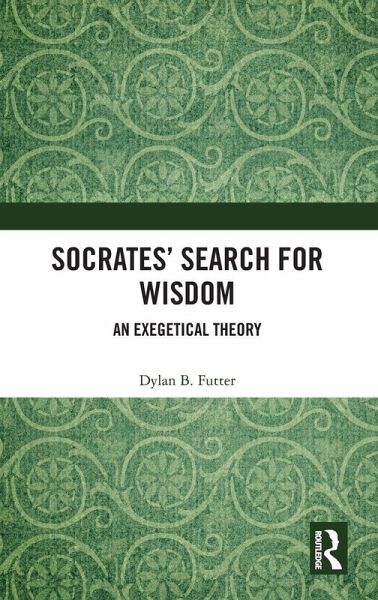
Socrates urges us to examine our lives, but what exactly does that mean? Should we question our moral convictions, or construct theories of virtue and the good? This book argues for a third path: the best human life is one of moral learning, in which we actualise our potential for wisdom. Readers will gain a fresh perspective on the Socratic method-not as mere argument, but as a process of inquiry. The author develops an exegetical model of dialogue and shows its fidelity to Plato's texts. He then situates this model in the scholarly literature and uses it to clarify several puzzling…mehr
Socrates urges us to examine our lives, but what exactly does that mean? Should we question our moral convictions, or construct theories of virtue and the good? This book argues for a third path: the best human life is one of moral learning, in which we actualise our potential for wisdom.
Readers will gain a fresh perspective on the Socratic method-not as mere argument, but as a process of inquiry. The author develops an exegetical model of dialogue and shows its fidelity to Plato's texts. He then situates this model in the scholarly literature and uses it to clarify several puzzling features of Socrates' approach. The result is a deeper understanding of Socrates' method and his philosophical life.
Socrates' Search for Wisdom: An Exegetical Theory will appeal to scholars, students of Greek philosophy, and general readers, continuing the Socratic tradition of engaging specialists and non-specialists alike.
Dylan B. Futter is Associate Professor of Philosophy at the University of the Witwatersrand in Johannesburg, South Africa.
Inhaltsangabe
Preface xvi Acknowledgements xvii Introduction 1 §1. Plato's Socrates 1 §2. The Examined Life 2 §3. Overview of the Argument 3 §4. Organisation of the Book 5 PART 1 Methodology 9 1 Method of Interpreting Plato 11 §1. Introduction 11 §2. The Dialogue as Drama 11 §3. Speech and Deed 12 §4. Socrates' Irony 13 §5. Philosophical Writing 14 §6. Charity and Authority 17 2 Argument and Inquiry 19 §1. Introduction 19 §2. Argument 19 §3. Inquiry and Exegesis 20 §4. Argument Versus Inquiry 22 PART 2 Application of the Exegetical Model 27 3 Euthyphro 29 §1. Introduction 29 §2. Plot and Drama 29 §3. Definition 1: Prosecuting the Wrongdoer 30 §4. Definition 2: What the Gods Love 30 §5. Definition 3: What All the Gods Love 31 §6. Definition 4: The Part of Justice Relating to the Gods 32 §7. Definition 5: Knowledge of How to Sacrifice and Pray 33 §8. Irony in the Euthyphro 35 §9. Inference 35 4 Laches 40 §1. Introduction 40 §2. Plot and Drama 40 §3. Application of the Exegetical Model to the Laches 41 §4. A Question about Courage and Definition 1: Remaining in Rank 42 §5. Definition 2: Endurance 42 §6. Laches' Aporia 44 §7. The Assumption of Knowledge 46 §8. Conclusion 47 5 Nicias 50 §1. Introduction 50 §2. Four Stages of Dialogue 50 Stage One 51 Stage Two 51 Stage Three 52 Stage Four 53 §3. Nicias' Sophistry 54 §4. The Piety of Self-Contradiction 55 §5. Conclusion 58 6 Charmides 60 §1. Introduction 60 §2. Beauty of Body and Soul 61 §3. Definition 1: Calmness 62 §4. Spiritual Indications 63 Contents xi §5. Definition 2: A Sense of Shame 64 §6. Definition 3: Doing One's Own Things 65 §7. Charmides' Final Speech 67 7 Critias 71 §1. Introduction 71 §2. Definition 1: Doing One's Own Things 72 §3. Definition 2: Doing Good Things 73 §4. Definition 3: Self-Knowledge 74 §5. Examining Oneself and Others 77 §6. Can Knowledge Be Applied to Itself? 78 §7. Is Knowledge of Knowledge Beneficial? 80 §8. The Goodness of Virtue 81 §9. Definition 4: Knowledge of Good and Bad 82 §10. Not Knowing Self-Knowing 84 §11. Conclusion 86 8 Cephalus and Polemarchus 91 §1. Introduction 91 §2. Cephalus 91 §3. Polemarchus and Simonides 93 3.1 Simonides' Account of Justice 94 3.2 The Interrogation of Simonides, I: On Justice's Utility 95 3.3 The Interrogation of Simonides, II: Friendship and Harm 96 §4. Conclusion 98 9 Thrasymachus 101 §1. Introduction 101 §2. Method and Definition 101 §3. Definition 1: The Advantage of the Stronger 102 §4. The Wage-Earning Argument 105 §5. Stages of Exegetical Inquiry 106 §6. Justice or Injustice: A Question of Worth 109 §7. From Exegesis to Elenchus 111 10 Meno 116 §1. Introduction 116 §2. Socrates' Disavowal of Knowledge 117 §3. Definitions 1 and 2: Many Forms and Ruling Over People 117 §4. The Logic Lesson 118 §5. Definition 3: Desiring the Beautiful and Having Power 119 §6. The Paradox of Inquiry 120 §7. Recollection 121 §8. The Geometry Experiment 122 §9. Meno's Progress 124 §10. The Hypothetical Method 125 PART 3 Definition, Knowledge, and the Elenchus 131 11 The Socratic Elenchus 133 §1. Introduction 133 §2. Vlastos at the Centre 133 §3. Objections to Vlastos' Account 135 §4. The Exegetical Model 136 §5. Other Accounts of Socrates' Goals 137 §6. Other Accounts of Socrates' Method 139 §7. A Living Discourse 142 12 Socrates' Method in Definition 146 §1. Introduction 146 §2. Inquiry and Action 146 §3. Intellectualism: Priority and Sufficiency 148 §4. Virtue and Knowledge 150 §5. Socrates' Formal and Material Goals 151 §6. Conclusion 153 13 The Priority of Definition 157 §1. Introduction 157 §2. The Socratic Fallacy 157 §3. Knowledge: Latent and Definitional 158 §4. Dissolving the Problem of Inquiry 160 §5. The Socratic Fallacy Undone 161 §6. Socrates' Disavowal of Knowledge 162 §7. Is the Priority Principle True? 163 §8. Discursive Self-Articulation 165 14 Virtue Is Knowledge 169 §1. Introduction 169 §2. A Progression in Argument 169 §3. Moving Toward Virtue as Knowledge 171 §4. Virtue Is Knowledge: Questioning the Account 173 §5. Ontological Principles of Definition 174 §6. Epistemic Principles of Definition 178 §7. The Language of Definition 180 §8. Conclusion 182 PART 4 Socrates Cares for Souls 185 15 Conceptions of Virtue 187 §1. Introduction 187 §2. Conception of Virtue, Character, and Irony 187 §3. Socrates' Psyche-Leading: A Look Forward 189 §4. Exegetical Inquiry as Psyche-Leading 192 §5. Exegetical Inquiry and the Emotions 193 §6. Elements of Spiritual Progress 194 16 Socrates Works on Euthyphro's Knowledge of Piety 196 §1. Introduction 196 §2. Conception of Virtue 196 §3. Psychological Changes 198 §4. The Power of Understanding 199 §5. Reconstituting the Paradigms 201 §6. Making Things Grow 203 §7. Growing in Understanding 204 §8. Exegetical Inquiry 206 §9. Inquiry as Imitation 208 §10. Finding One's Way Back to a Centre 208 §11. Conclusion 209 17 Socrates Works on Laches' Knowledge of Courage 211 §1. Introduction 211 §2. Conception of Virtue 211 §3. Historical Irony 212 §4. Psychological Changes 213 §5. Reconstituting the Paradigm 215 §6. Integration 218 §7. Self-Reflexivity 219 §8. Exegetical Inquiry 221 §9. Conclusion 223 18 Socrates Works on Charmides' Knowledge of Temperance 226 §1. Introduction 226 §2. Conception of Virtue 226 §3. Historical Background 228 §4. Psychological Changes 229 §5. Understanding 231 §6. Exegetical Inquiry 232 §7. Conclusion 234 PART 5 Exegetical Inquiry in the Apology of Socrates 237 19 Socrates and Apollo 239 §1. Introduction 239 §2. The First Accusers 239 §3. The Delphic Oracle 240 §4. Human Wisdom 243 §5. The Oracle Story Retold 244 §6. The Oracle Interpretation as Exegetical Inquiry 245 §7. Coda: Exegesis in the Examination of Athens 246 20 Socrates After Delphi 251 §1. Introduction 251 §2. Socrates' Business After the Oracle Interpretation 252 §3. The Unity of Socrates' Mission 253 §4. Is the Exegetical Model Compatible with Human Wisdom? 254 §5. Application to the Dialogues 256 §6. As Apollo Stands to Socrates 257 §7. Conclusion 259 PART 6 Concluding Reflections 263 21 An Art of Living 265§1. Introduction 265 §2. Learning to Be Good 266 §3. Elements of Socratic Method 267 Bibliography 270 Index 279
Preface xvi Acknowledgements xvii Introduction 1 §1. Plato's Socrates 1 §2. The Examined Life 2 §3. Overview of the Argument 3 §4. Organisation of the Book 5 PART 1 Methodology 9 1 Method of Interpreting Plato 11 §1. Introduction 11 §2. The Dialogue as Drama 11 §3. Speech and Deed 12 §4. Socrates' Irony 13 §5. Philosophical Writing 14 §6. Charity and Authority 17 2 Argument and Inquiry 19 §1. Introduction 19 §2. Argument 19 §3. Inquiry and Exegesis 20 §4. Argument Versus Inquiry 22 PART 2 Application of the Exegetical Model 27 3 Euthyphro 29 §1. Introduction 29 §2. Plot and Drama 29 §3. Definition 1: Prosecuting the Wrongdoer 30 §4. Definition 2: What the Gods Love 30 §5. Definition 3: What All the Gods Love 31 §6. Definition 4: The Part of Justice Relating to the Gods 32 §7. Definition 5: Knowledge of How to Sacrifice and Pray 33 §8. Irony in the Euthyphro 35 §9. Inference 35 4 Laches 40 §1. Introduction 40 §2. Plot and Drama 40 §3. Application of the Exegetical Model to the Laches 41 §4. A Question about Courage and Definition 1: Remaining in Rank 42 §5. Definition 2: Endurance 42 §6. Laches' Aporia 44 §7. The Assumption of Knowledge 46 §8. Conclusion 47 5 Nicias 50 §1. Introduction 50 §2. Four Stages of Dialogue 50 Stage One 51 Stage Two 51 Stage Three 52 Stage Four 53 §3. Nicias' Sophistry 54 §4. The Piety of Self-Contradiction 55 §5. Conclusion 58 6 Charmides 60 §1. Introduction 60 §2. Beauty of Body and Soul 61 §3. Definition 1: Calmness 62 §4. Spiritual Indications 63 Contents xi §5. Definition 2: A Sense of Shame 64 §6. Definition 3: Doing One's Own Things 65 §7. Charmides' Final Speech 67 7 Critias 71 §1. Introduction 71 §2. Definition 1: Doing One's Own Things 72 §3. Definition 2: Doing Good Things 73 §4. Definition 3: Self-Knowledge 74 §5. Examining Oneself and Others 77 §6. Can Knowledge Be Applied to Itself? 78 §7. Is Knowledge of Knowledge Beneficial? 80 §8. The Goodness of Virtue 81 §9. Definition 4: Knowledge of Good and Bad 82 §10. Not Knowing Self-Knowing 84 §11. Conclusion 86 8 Cephalus and Polemarchus 91 §1. Introduction 91 §2. Cephalus 91 §3. Polemarchus and Simonides 93 3.1 Simonides' Account of Justice 94 3.2 The Interrogation of Simonides, I: On Justice's Utility 95 3.3 The Interrogation of Simonides, II: Friendship and Harm 96 §4. Conclusion 98 9 Thrasymachus 101 §1. Introduction 101 §2. Method and Definition 101 §3. Definition 1: The Advantage of the Stronger 102 §4. The Wage-Earning Argument 105 §5. Stages of Exegetical Inquiry 106 §6. Justice or Injustice: A Question of Worth 109 §7. From Exegesis to Elenchus 111 10 Meno 116 §1. Introduction 116 §2. Socrates' Disavowal of Knowledge 117 §3. Definitions 1 and 2: Many Forms and Ruling Over People 117 §4. The Logic Lesson 118 §5. Definition 3: Desiring the Beautiful and Having Power 119 §6. The Paradox of Inquiry 120 §7. Recollection 121 §8. The Geometry Experiment 122 §9. Meno's Progress 124 §10. The Hypothetical Method 125 PART 3 Definition, Knowledge, and the Elenchus 131 11 The Socratic Elenchus 133 §1. Introduction 133 §2. Vlastos at the Centre 133 §3. Objections to Vlastos' Account 135 §4. The Exegetical Model 136 §5. Other Accounts of Socrates' Goals 137 §6. Other Accounts of Socrates' Method 139 §7. A Living Discourse 142 12 Socrates' Method in Definition 146 §1. Introduction 146 §2. Inquiry and Action 146 §3. Intellectualism: Priority and Sufficiency 148 §4. Virtue and Knowledge 150 §5. Socrates' Formal and Material Goals 151 §6. Conclusion 153 13 The Priority of Definition 157 §1. Introduction 157 §2. The Socratic Fallacy 157 §3. Knowledge: Latent and Definitional 158 §4. Dissolving the Problem of Inquiry 160 §5. The Socratic Fallacy Undone 161 §6. Socrates' Disavowal of Knowledge 162 §7. Is the Priority Principle True? 163 §8. Discursive Self-Articulation 165 14 Virtue Is Knowledge 169 §1. Introduction 169 §2. A Progression in Argument 169 §3. Moving Toward Virtue as Knowledge 171 §4. Virtue Is Knowledge: Questioning the Account 173 §5. Ontological Principles of Definition 174 §6. Epistemic Principles of Definition 178 §7. The Language of Definition 180 §8. Conclusion 182 PART 4 Socrates Cares for Souls 185 15 Conceptions of Virtue 187 §1. Introduction 187 §2. Conception of Virtue, Character, and Irony 187 §3. Socrates' Psyche-Leading: A Look Forward 189 §4. Exegetical Inquiry as Psyche-Leading 192 §5. Exegetical Inquiry and the Emotions 193 §6. Elements of Spiritual Progress 194 16 Socrates Works on Euthyphro's Knowledge of Piety 196 §1. Introduction 196 §2. Conception of Virtue 196 §3. Psychological Changes 198 §4. The Power of Understanding 199 §5. Reconstituting the Paradigms 201 §6. Making Things Grow 203 §7. Growing in Understanding 204 §8. Exegetical Inquiry 206 §9. Inquiry as Imitation 208 §10. Finding One's Way Back to a Centre 208 §11. Conclusion 209 17 Socrates Works on Laches' Knowledge of Courage 211 §1. Introduction 211 §2. Conception of Virtue 211 §3. Historical Irony 212 §4. Psychological Changes 213 §5. Reconstituting the Paradigm 215 §6. Integration 218 §7. Self-Reflexivity 219 §8. Exegetical Inquiry 221 §9. Conclusion 223 18 Socrates Works on Charmides' Knowledge of Temperance 226 §1. Introduction 226 §2. Conception of Virtue 226 §3. Historical Background 228 §4. Psychological Changes 229 §5. Understanding 231 §6. Exegetical Inquiry 232 §7. Conclusion 234 PART 5 Exegetical Inquiry in the Apology of Socrates 237 19 Socrates and Apollo 239 §1. Introduction 239 §2. The First Accusers 239 §3. The Delphic Oracle 240 §4. Human Wisdom 243 §5. The Oracle Story Retold 244 §6. The Oracle Interpretation as Exegetical Inquiry 245 §7. Coda: Exegesis in the Examination of Athens 246 20 Socrates After Delphi 251 §1. Introduction 251 §2. Socrates' Business After the Oracle Interpretation 252 §3. The Unity of Socrates' Mission 253 §4. Is the Exegetical Model Compatible with Human Wisdom? 254 §5. Application to the Dialogues 256 §6. As Apollo Stands to Socrates 257 §7. Conclusion 259 PART 6 Concluding Reflections 263 21 An Art of Living 265§1. Introduction 265 §2. Learning to Be Good 266 §3. Elements of Socratic Method 267 Bibliography 270 Index 279
Rezensionen
"Descriptions of Plato's Socrates as seeking to refute his interlocutors or to construct arguments for certain doctrines from the wreckage of their contradictory beliefs seem to miss the key point: that Socrates is inquiring and seeking to get his interlocutors to inquire. The present book provides a new interpretation of Socrates' method that does justice to this point and thus to Socrates' emphatic claim that the only life worth living is the examined one."
-Francisco Gonzalez, University of Ottawa
"This book offers an original and plausible interpretation of Socrates' practice in a significant subset of Plato's dialogues-o small feat!"
-Hugh Benson, University of Oklahoma
Es gelten unsere Allgemeinen Geschäftsbedingungen: www.buecher.de/agb
Impressum
www.buecher.de ist ein Internetauftritt der buecher.de internetstores GmbH
Geschäftsführung: Monica Sawhney | Roland Kölbl | Günter Hilger
Sitz der Gesellschaft: Batheyer Straße 115 - 117, 58099 Hagen
Postanschrift: Bürgermeister-Wegele-Str. 12, 86167 Augsburg
Amtsgericht Hagen HRB 13257
Steuernummer: 321/5800/1497
USt-IdNr: DE450055826