
Andere Kunden interessierten sich auch für
 Keeping Out the Wetter31,99 €
 Light Shade and Shadow as Design Elements37,99 €
 Simplifying the ADA in California38,99 €
 Codes and Guidelines for Worship Facilities31,99 €
 Net Zero Carbon in California38,99 €
 Considerations in Railing Design24,99 €
 Meta Sociocracy - Meta S28,99 €





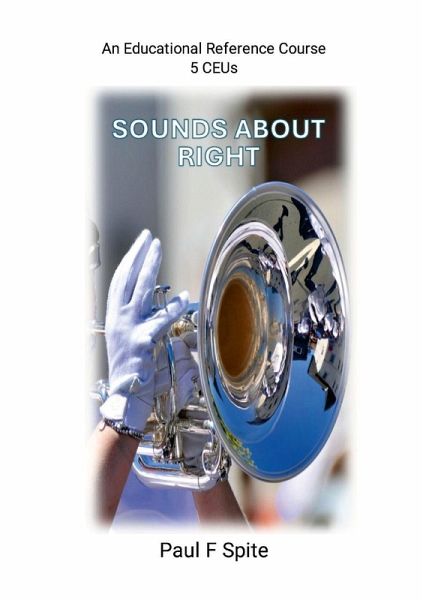
Unwanted sound impacts and affects the inhabitants of our created spaces. If it is not already, controlling noise will quickly become a mandated concern for designers. Attesting to increasing regulatory focus on noise is a recent proliferation of standards, guidelines, and codes regarding acoustics. Very soon, many of these guidelines will no longer be mere suggestions. Most concerns covered in these standards can be addressed with a basic understanding on how sound travels and is reflected, blocked, absorbed, or transmitted by materials and assemblies chosen in designing envelopes. Acoustic design is best addressed in an incremental fashion. This course was written to do just that. Fundamentals are first covered, including basic principles regarding sound, how its energy moves through matter, how its path and intensity can be altered, and how success in the manipulation of sound is measured. Known design strategies are discussed for controlling sound moving, from exterior to interior spaces, from interior spaces to adjacent spaces, within interior spaces, through structural components, and through building systems. Design considerations are outlined for numerous common building functions. Finally, acoustic codes and guidelines now, are listed for consideration.