
Andere Kunden interessierten sich auch für
 Unveiling the Hidden--Anticipating the Future165,99 €
 A History of East Asia131,99 €
") Poetry of Loss and the Early Medieval Chinese Court of the Warlord Cao Cao (155-220)91,99 €
Poetry of Loss and the Early Medieval Chinese Court of the Warlord Cao Cao (155-220)91,99 € Neo-Assyrian and Greek Divination in War253,99 €
 Four Central Asian Shrines82,99 €
 The Fairy Handbook24,99 €
 Romarriket. Den romerska republiken17,99 €





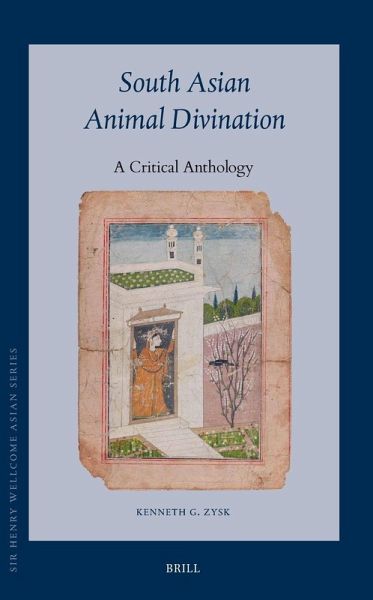
This scholarly work examines the history and practice of animal omen divination in South Asia, comparing it to similar traditions in Mesopotamia and classical antiquity. It provides critical editions and translations of relevant texts, including chapters from the Gārgīyajyotiṣa, Śārdūlakarṇāvadāna, and the Bṛhatsaṃhitā, focusing on the interpretation of bird calls and behaviour. The study incorporates ornithological and natural historical information to enhance the understanding of the omens and their regional origins. Furthermore, it explores the evolution of omen literature and the transmission of knowledge across cultures and time periods, highlighting the enduring significance of sound and direction in divination practices.