32,99 €
inkl. MwSt.
Versandkostenfrei*Erscheint vorauss. 28. Mai 2026
Melden Sie sich
hier
hier
für den Produktalarm an, um über die Verfügbarkeit des Produkts informiert zu werden.

16 °P sammeln
Andere Kunden interessierten sich auch für
 Freedom and Indigenous Constitutionalism46,99 €
 Catalogue 1896 and 189714,99 €
 The Courtier28,99 €
 Biography of Mrs. Catherine Babington: the Only Woman Mason in the World, and How She Became a Blue Lodge Mason15,99 €
 Concerning Astonishing Atmospheres17,99 €
 The Blue Book Montgomery, Alabama, 1909-10 /; c.117,99 €
 The Superstition of Divorce19,99 €






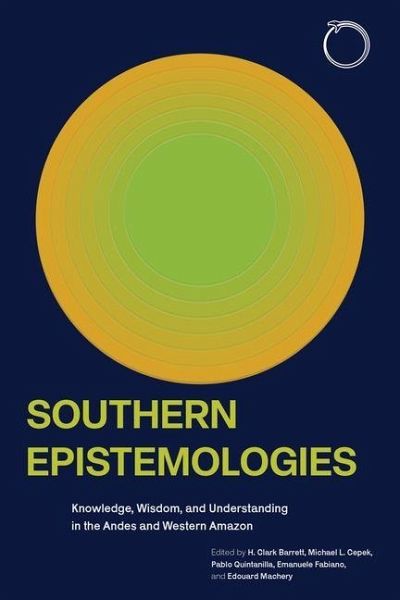
Discovers how language, culture, and place shape knowledge across the Andes and Western Amazon. What does it mean to know, and how is knowledge practiced? How can Indigenous perspectives challenge conventional concepts of knowledge in the Global North? Drawing on Indigenous epistemologies from the Andes and Western Amazon, Southern Epistemologies investigates how knowledge, wisdom, and understanding are shaped by local cultures, languages, bodies, and environments. Bringing together linguists, philosophers, anthropologists, and Indigenous knowledge holders, the volume examines the dynamic interactions between culture, language, and place, showing how the unique linguistic histories and worldviews of Andean and Amazonian societies inform distinct ways of knowing. By interpreting these perspectives on their own terms, the book offers fresh insights into the plurality and diversity of human knowledge. As the first volume specifically focused on Indigenous South American epistemologies, Southern Epistemologies foregrounds Indigenous knowledge systems and science while fostering dialogue with academic traditions. By opening new interdisciplinary and cross-cultural conversations, this groundbreaking volume challenges conventional notions of knowledge and illuminates how engagement with Indigenous perspectives can expand and enrich our understanding of what it truly means to know.