

Andere Kunden interessierten sich auch für
 The Showman15,99 €
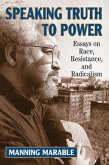
 Speaking Truth To Power60,99 €
 One- To Four-Family Properties with Multiple Losses Insured by the National Flood Insurance Program44,99 €
 The Patriot's Guide to Taking America Back13,99 €
 The Boy Who Refused to Sing14,99 €
 An Appeal to the Patriot8,49 €
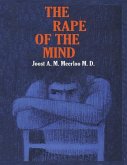
 The Rape of the Mind: The Psychology of Thought Control, Menticide, and Brainwashing15,99 €





At a time when ideas from East and West continue to collide, this collection of essays offers a calm yet critical voice from within the Muslim tradition, urging clarity, self-respect, and meaningful dialogue. Without defensiveness or blind acceptance, the author explores how Muslims can respond to the intellectual and cultural dominance of the modern West while retaining their faith, dignity, and distinct worldview. Rather than rejecting modernity outright or surrendering to it entirely, this work calls for discernment, balance, and a deeper understanding of both civilizations. The author highlights the moral and philosophical roots of Western progress-and its growing internal contradictions-and urges Muslims to learn from its strengths while resisting its excesses. He reminds readers that spiritual and ethical clarity are not barriers to progress, but the ground on which true progress is built. Addressing students, thinkers, and policymakers alike, this book is a call to remain engaged without being absorbed, to pursue knowledge without losing moral direction, and to seek cooperation without compromising identity. Ideal for young Muslims studying abroad, educators, and those reflecting on the role of Islam in a globalized world, it's a timely reminder that strength lies not in imitation, but in purpose, conviction, and principled exchange. An honest, thoughtful response to modern challenges-rooted in Islamic confidence, not cultural conflict. Table of Contents Introduction East and West Islam the Only Way Political Freedom or Cultural Serfdom Dangerous Self-Conceit To the Students Receiving Modern Education Responsibilities of Muslim Young Men Proceeding to the West