Marjorie S. Schiering
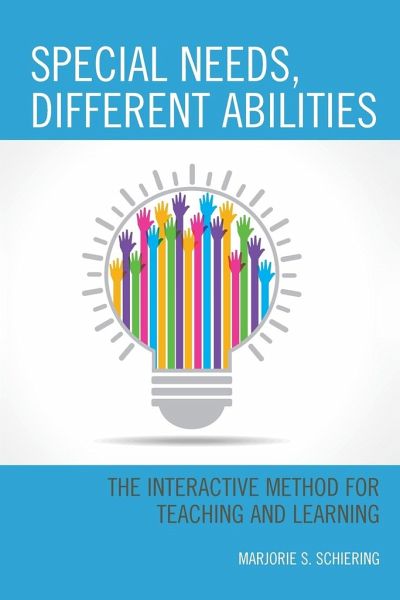
Special Needs, Different Abilities
The Interactive Method for Teaching and Learning
Marjorie S. Schiering
Special Needs, Different Abilities
The Interactive Method for Teaching and Learning
- Broschiertes Buch
- Merkliste
- Auf die Merkliste
- Bewerten Bewerten
- Teilen
- Produkt teilen
- Produkterinnerung
- Produkterinnerung
This book describes the Interactive Method (IM) for teaching different abilities, special needs, and all learners.
Andere Kunden interessierten sich auch für
Lauren J. LiebermanThe Camp Abilities Story27,99 €
Ruth WilsonNaturally Inclusive32,99 €
Katie ThuneSexuality for All Abilities38,99 €
Patricia Martínez-ÁlvarezTeaching Emergent Bilingual Students with Dis/Abilities47,99 €
Elise S. SobolAttitude and Approach for Teaching Music to Special Learners43,99 €
Andrew M. MarkelzEssentials of Special Education Law34,99 €
Amy BallinQuest for Meaningful Special Education38,99 €-
-
-
This book describes the Interactive Method (IM) for teaching different abilities, special needs, and all learners.
Produktdetails
- Produktdetails
- Verlag: Rowman & Littlefield Publishers
- Seitenzahl: 156
- Erscheinungstermin: 24. Juli 2019
- Englisch
- Abmessung: 229mm x 152mm x 9mm
- Gewicht: 237g
- ISBN-13: 9781475849943
- ISBN-10: 147584994X
- Artikelnr.: 55491933
- Herstellerkennzeichnung
- Libri GmbH
- Europaallee 1
- 36244 Bad Hersfeld
- gpsr@libri.de
- Verlag: Rowman & Littlefield Publishers
- Seitenzahl: 156
- Erscheinungstermin: 24. Juli 2019
- Englisch
- Abmessung: 229mm x 152mm x 9mm
- Gewicht: 237g
- ISBN-13: 9781475849943
- ISBN-10: 147584994X
- Artikelnr.: 55491933
- Herstellerkennzeichnung
- Libri GmbH
- Europaallee 1
- 36244 Bad Hersfeld
- gpsr@libri.de
Marjorie S. Schieringhas devoted her career as an educator to developing teacher's and learner's comprehension of self- efficacy through experiential learning, which focuses on the Interactive Method (IM) and its components. She continually addresses sharing the Cognitive Collective (Reciprocal Thinking and Feelings) to establish and maintain a viable, safe, positive and congenial classroom community where there is teaching of thinking.
Prelude
Foreword: Patricia Eckardt and Madeline Craig
Preface
Acknowledgments
Introduction
Part one: information gathering and distribution concerning special needs
and different ability learners
Chapter One: Reaching/Teaching Varied Learners
Chapter Two: Response to Intervention, Individual Education Plan and
Classroom Organization
Chapter Three: Individual Processing Style and Social Cognition
Chapter Four: The Interactive Method, Student Engagement and Self-Efficacy
Chapter Five: Memories and Interactive Learning Techniques
Chapter Six:Interactive Learning Technique Pluses, Leadership Building, and
Alternative Means of Assessment
Chapter Seven: The Reciprocity of Thinking
Chapter Eight: The Cognitive Collective: Thinking and Feeling
Chapter Nine: Definition and Examples of Reciprocal Thinking Phases' Skills
Part two: different ways of teaching, personal commentaries, and author's
closing thoughts
Chapter Ten:The IM's Self-Reliance and the "How To" of Teaching Thinking
Chapter Eleven: Objectives of the Interactive Method and its Components
Chapter Twelve: Two Personal Perspectives Addressing Special Education
Disabilities, Differences and Diversity: Maggie Blair
Autism Awareness: Author Interview of a Different Abilities Child's Parent:
Kevin Cooney
Chapter Thirteen: Commentary and Personal Experience: Teaching and Being
Special Needs
Commentaries and Personal Experiences: Special Needs and Different
Abilities
Commentary: Engaging Students with Exceptionalities: Patricia Mason
A Teacher with Epilepsy: From Childhood through Retirement: Marc Hoberman
Chapter Fourteen: Author's Summative Sharing: Classroom Comfort Zone
References
About the Author
Foreword: Patricia Eckardt and Madeline Craig
Preface
Acknowledgments
Introduction
Part one: information gathering and distribution concerning special needs
and different ability learners
Chapter One: Reaching/Teaching Varied Learners
Chapter Two: Response to Intervention, Individual Education Plan and
Classroom Organization
Chapter Three: Individual Processing Style and Social Cognition
Chapter Four: The Interactive Method, Student Engagement and Self-Efficacy
Chapter Five: Memories and Interactive Learning Techniques
Chapter Six:Interactive Learning Technique Pluses, Leadership Building, and
Alternative Means of Assessment
Chapter Seven: The Reciprocity of Thinking
Chapter Eight: The Cognitive Collective: Thinking and Feeling
Chapter Nine: Definition and Examples of Reciprocal Thinking Phases' Skills
Part two: different ways of teaching, personal commentaries, and author's
closing thoughts
Chapter Ten:The IM's Self-Reliance and the "How To" of Teaching Thinking
Chapter Eleven: Objectives of the Interactive Method and its Components
Chapter Twelve: Two Personal Perspectives Addressing Special Education
Disabilities, Differences and Diversity: Maggie Blair
Autism Awareness: Author Interview of a Different Abilities Child's Parent:
Kevin Cooney
Chapter Thirteen: Commentary and Personal Experience: Teaching and Being
Special Needs
Commentaries and Personal Experiences: Special Needs and Different
Abilities
Commentary: Engaging Students with Exceptionalities: Patricia Mason
A Teacher with Epilepsy: From Childhood through Retirement: Marc Hoberman
Chapter Fourteen: Author's Summative Sharing: Classroom Comfort Zone
References
About the Author
Prelude
Foreword: Patricia Eckardt and Madeline Craig
Preface
Acknowledgments
Introduction
Part one: information gathering and distribution concerning special needs
and different ability learners
Chapter One: Reaching/Teaching Varied Learners
Chapter Two: Response to Intervention, Individual Education Plan and
Classroom Organization
Chapter Three: Individual Processing Style and Social Cognition
Chapter Four: The Interactive Method, Student Engagement and Self-Efficacy
Chapter Five: Memories and Interactive Learning Techniques
Chapter Six:Interactive Learning Technique Pluses, Leadership Building, and
Alternative Means of Assessment
Chapter Seven: The Reciprocity of Thinking
Chapter Eight: The Cognitive Collective: Thinking and Feeling
Chapter Nine: Definition and Examples of Reciprocal Thinking Phases' Skills
Part two: different ways of teaching, personal commentaries, and author's
closing thoughts
Chapter Ten:The IM's Self-Reliance and the "How To" of Teaching Thinking
Chapter Eleven: Objectives of the Interactive Method and its Components
Chapter Twelve: Two Personal Perspectives Addressing Special Education
Disabilities, Differences and Diversity: Maggie Blair
Autism Awareness: Author Interview of a Different Abilities Child's Parent:
Kevin Cooney
Chapter Thirteen: Commentary and Personal Experience: Teaching and Being
Special Needs
Commentaries and Personal Experiences: Special Needs and Different
Abilities
Commentary: Engaging Students with Exceptionalities: Patricia Mason
A Teacher with Epilepsy: From Childhood through Retirement: Marc Hoberman
Chapter Fourteen: Author's Summative Sharing: Classroom Comfort Zone
References
About the Author
Foreword: Patricia Eckardt and Madeline Craig
Preface
Acknowledgments
Introduction
Part one: information gathering and distribution concerning special needs
and different ability learners
Chapter One: Reaching/Teaching Varied Learners
Chapter Two: Response to Intervention, Individual Education Plan and
Classroom Organization
Chapter Three: Individual Processing Style and Social Cognition
Chapter Four: The Interactive Method, Student Engagement and Self-Efficacy
Chapter Five: Memories and Interactive Learning Techniques
Chapter Six:Interactive Learning Technique Pluses, Leadership Building, and
Alternative Means of Assessment
Chapter Seven: The Reciprocity of Thinking
Chapter Eight: The Cognitive Collective: Thinking and Feeling
Chapter Nine: Definition and Examples of Reciprocal Thinking Phases' Skills
Part two: different ways of teaching, personal commentaries, and author's
closing thoughts
Chapter Ten:The IM's Self-Reliance and the "How To" of Teaching Thinking
Chapter Eleven: Objectives of the Interactive Method and its Components
Chapter Twelve: Two Personal Perspectives Addressing Special Education
Disabilities, Differences and Diversity: Maggie Blair
Autism Awareness: Author Interview of a Different Abilities Child's Parent:
Kevin Cooney
Chapter Thirteen: Commentary and Personal Experience: Teaching and Being
Special Needs
Commentaries and Personal Experiences: Special Needs and Different
Abilities
Commentary: Engaging Students with Exceptionalities: Patricia Mason
A Teacher with Epilepsy: From Childhood through Retirement: Marc Hoberman
Chapter Fourteen: Author's Summative Sharing: Classroom Comfort Zone
References
About the Author