Marjorie S. Schiering
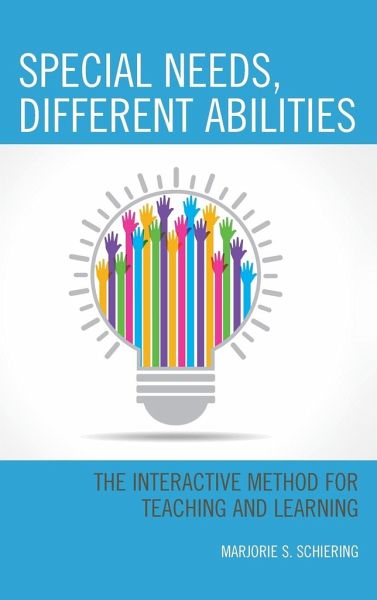
Special Needs, Different Abilities
The Interactive Method for Teaching and Learning
Marjorie S. Schiering
Special Needs, Different Abilities
The Interactive Method for Teaching and Learning
- Gebundenes Buch
- Merkliste
- Auf die Merkliste
- Bewerten Bewerten
- Teilen
- Produkt teilen
- Produkterinnerung
- Produkterinnerung
This book describes the Interactive Method (IM) for teaching different abilities, special needs, and all learners.
Andere Kunden interessierten sich auch für
Alan HodkinsonKey Issues in Special Educational Needs, Disability and Inclusion37,99 €
Susan BaglieriDisability Studies and the Inclusive Classroom56,99 €
Peter WestwoodInclusive and Adaptive Teaching29,99 €
John Connor (Education Trainer and UK Consultant)Addressing Special Educational Needs and Disability in the Curriculum53,99 €
Sandra DunsmuirSpecial Educational Needs, Inclusion and Diversity48,99 €
Jean Gross (UK Early Intervention Foundation)Beating Bureaucracy in Special Educational Needs52,99 €
Jean Gross (UK Early Intervention Foundation)Beating Bureaucracy in Special Educational Needs40,99 €-
-
-
This book describes the Interactive Method (IM) for teaching different abilities, special needs, and all learners.
Produktdetails
- Produktdetails
- Verlag: Rowman & Littlefield
- Seitenzahl: 156
- Erscheinungstermin: 24. Juli 2019
- Englisch
- Abmessung: 235mm x 157mm x 13mm
- Gewicht: 386g
- ISBN-13: 9781475849936
- ISBN-10: 1475849931
- Artikelnr.: 55505722
- Herstellerkennzeichnung
- Libri GmbH
- Europaallee 1
- 36244 Bad Hersfeld
- gpsr@libri.de
- Verlag: Rowman & Littlefield
- Seitenzahl: 156
- Erscheinungstermin: 24. Juli 2019
- Englisch
- Abmessung: 235mm x 157mm x 13mm
- Gewicht: 386g
- ISBN-13: 9781475849936
- ISBN-10: 1475849931
- Artikelnr.: 55505722
- Herstellerkennzeichnung
- Libri GmbH
- Europaallee 1
- 36244 Bad Hersfeld
- gpsr@libri.de
Marjorie S. Schiering has devoted her career as an educator to developing teacher's and learner's comprehension of self- efficacy through experiential learning, which focuses on the Interactive Method (IM) and its components. She continually addresses sharing the Cognitive Collective (Reciprocal Thinking and Feelings) to establish and maintain a viable, safe, positive and congenial classroom community where there is teaching of thinking.
Prelude
Foreword: Patricia Eckardt and Madeline Craig
Preface
Acknowledgments
Introduction
Part one: information gathering and distribution concerning special needs
and different ability learners
Chapter One: Reaching/Teaching Varied Learners
Chapter Two: Response to Intervention, Individual Education Plan and
Classroom Organization
Chapter Three: Individual Processing Style and Social Cognition
Chapter Four: The Interactive Method, Student Engagement and Self-Efficacy
Chapter Five: Memories and Interactive Learning Techniques
Chapter Six:Interactive Learning Technique Pluses, Leadership Building, and
Alternative Means of Assessment
Chapter Seven: The Reciprocity of Thinking
Chapter Eight: The Cognitive Collective: Thinking and Feeling
Chapter Nine: Definition and Examples of Reciprocal Thinking Phases' Skills
Part two: different ways of teaching, personal commentaries, and author's
closing thoughts
Chapter Ten:The IM's Self-Reliance and the "How To" of Teaching Thinking
Chapter Eleven: Objectives of the Interactive Method and its Components
Chapter Twelve: Two Personal Perspectives Addressing Special Education
Disabilities, Differences and Diversity: Maggie Blair
Autism Awareness: Author Interview of a Different Abilities Child's Parent:
Kevin Cooney
Chapter Thirteen: Commentary and Personal Experience: Teaching and Being
Special Needs
Commentaries and Personal Experiences: Special Needs and Different
Abilities
Commentary: Engaging Students with Exceptionalities: Patricia Mason
A Teacher with Epilepsy: From Childhood through Retirement: Marc Hoberman
Chapter Fourteen: Author's Summative Sharing: Classroom Comfort Zone
References
About the Author
Foreword: Patricia Eckardt and Madeline Craig
Preface
Acknowledgments
Introduction
Part one: information gathering and distribution concerning special needs
and different ability learners
Chapter One: Reaching/Teaching Varied Learners
Chapter Two: Response to Intervention, Individual Education Plan and
Classroom Organization
Chapter Three: Individual Processing Style and Social Cognition
Chapter Four: The Interactive Method, Student Engagement and Self-Efficacy
Chapter Five: Memories and Interactive Learning Techniques
Chapter Six:Interactive Learning Technique Pluses, Leadership Building, and
Alternative Means of Assessment
Chapter Seven: The Reciprocity of Thinking
Chapter Eight: The Cognitive Collective: Thinking and Feeling
Chapter Nine: Definition and Examples of Reciprocal Thinking Phases' Skills
Part two: different ways of teaching, personal commentaries, and author's
closing thoughts
Chapter Ten:The IM's Self-Reliance and the "How To" of Teaching Thinking
Chapter Eleven: Objectives of the Interactive Method and its Components
Chapter Twelve: Two Personal Perspectives Addressing Special Education
Disabilities, Differences and Diversity: Maggie Blair
Autism Awareness: Author Interview of a Different Abilities Child's Parent:
Kevin Cooney
Chapter Thirteen: Commentary and Personal Experience: Teaching and Being
Special Needs
Commentaries and Personal Experiences: Special Needs and Different
Abilities
Commentary: Engaging Students with Exceptionalities: Patricia Mason
A Teacher with Epilepsy: From Childhood through Retirement: Marc Hoberman
Chapter Fourteen: Author's Summative Sharing: Classroom Comfort Zone
References
About the Author
Prelude
Foreword: Patricia Eckardt and Madeline Craig
Preface
Acknowledgments
Introduction
Part one: information gathering and distribution concerning special needs
and different ability learners
Chapter One: Reaching/Teaching Varied Learners
Chapter Two: Response to Intervention, Individual Education Plan and
Classroom Organization
Chapter Three: Individual Processing Style and Social Cognition
Chapter Four: The Interactive Method, Student Engagement and Self-Efficacy
Chapter Five: Memories and Interactive Learning Techniques
Chapter Six:Interactive Learning Technique Pluses, Leadership Building, and
Alternative Means of Assessment
Chapter Seven: The Reciprocity of Thinking
Chapter Eight: The Cognitive Collective: Thinking and Feeling
Chapter Nine: Definition and Examples of Reciprocal Thinking Phases' Skills
Part two: different ways of teaching, personal commentaries, and author's
closing thoughts
Chapter Ten:The IM's Self-Reliance and the "How To" of Teaching Thinking
Chapter Eleven: Objectives of the Interactive Method and its Components
Chapter Twelve: Two Personal Perspectives Addressing Special Education
Disabilities, Differences and Diversity: Maggie Blair
Autism Awareness: Author Interview of a Different Abilities Child's Parent:
Kevin Cooney
Chapter Thirteen: Commentary and Personal Experience: Teaching and Being
Special Needs
Commentaries and Personal Experiences: Special Needs and Different
Abilities
Commentary: Engaging Students with Exceptionalities: Patricia Mason
A Teacher with Epilepsy: From Childhood through Retirement: Marc Hoberman
Chapter Fourteen: Author's Summative Sharing: Classroom Comfort Zone
References
About the Author
Foreword: Patricia Eckardt and Madeline Craig
Preface
Acknowledgments
Introduction
Part one: information gathering and distribution concerning special needs
and different ability learners
Chapter One: Reaching/Teaching Varied Learners
Chapter Two: Response to Intervention, Individual Education Plan and
Classroom Organization
Chapter Three: Individual Processing Style and Social Cognition
Chapter Four: The Interactive Method, Student Engagement and Self-Efficacy
Chapter Five: Memories and Interactive Learning Techniques
Chapter Six:Interactive Learning Technique Pluses, Leadership Building, and
Alternative Means of Assessment
Chapter Seven: The Reciprocity of Thinking
Chapter Eight: The Cognitive Collective: Thinking and Feeling
Chapter Nine: Definition and Examples of Reciprocal Thinking Phases' Skills
Part two: different ways of teaching, personal commentaries, and author's
closing thoughts
Chapter Ten:The IM's Self-Reliance and the "How To" of Teaching Thinking
Chapter Eleven: Objectives of the Interactive Method and its Components
Chapter Twelve: Two Personal Perspectives Addressing Special Education
Disabilities, Differences and Diversity: Maggie Blair
Autism Awareness: Author Interview of a Different Abilities Child's Parent:
Kevin Cooney
Chapter Thirteen: Commentary and Personal Experience: Teaching and Being
Special Needs
Commentaries and Personal Experiences: Special Needs and Different
Abilities
Commentary: Engaging Students with Exceptionalities: Patricia Mason
A Teacher with Epilepsy: From Childhood through Retirement: Marc Hoberman
Chapter Fourteen: Author's Summative Sharing: Classroom Comfort Zone
References
About the Author