
Andere Kunden interessierten sich auch für
 Spectacle in Classical Cinemas186,99 €
 Statecraft and Spectacle in East Asia58,99 €
 From Classical to Modern Republicanism167,99 €
 Classical Heritage and European Identities64,99 €
 Rethinking Transnational Chinese Cinemas176,99 €
 Remapping the Cold War in Asian Cinemas151,99 €
 From Classical to Modern Republicanism55,99 €




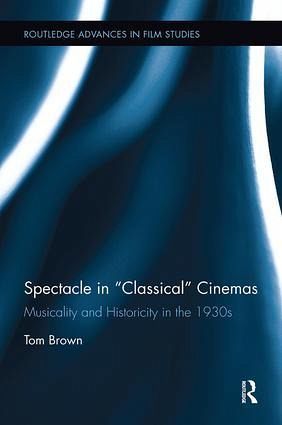
Spectacle is not often considered to be a significant part of the style of 'classical' cinema. Indeed, some of the most influential accounts of cinematic classicism define it virtually by the supposed absence of spectacle. Spectacle in 'Classical' Cinemas: Musicality and Historicity in the 1930s brings a fresh perspective on the role of the spectacular in classical sound cinema by focusing on one decade of cinema (the 1930s), in two 'modes' of filmmaking (musical and historical films), and in two national cinemas (the US and France). This not only brings to light the special rhetorical and affective possibilities offered by spectacular images but refines our understanding of what 'classical' cinema is and was.