

Andere Kunden interessierten sich auch für
 Voyages and Travels Mainly During the 16th and 17th Centuries ..; Volume 115,99 €
 Cambridge University Transactions During the Puritan Controversies of the 16th and 17th Centuries72,99 €
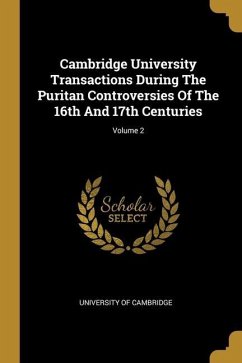
 Cambridge University Transactions During The Puritan Controversies Of The 16th And 17th Centuries; Volume 230,99 €
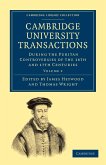
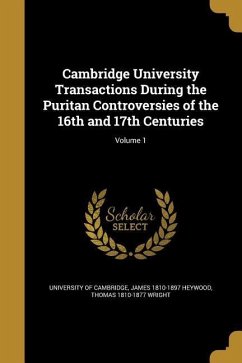
 Cambridge University Transactions During the Puritan Controversies of the 16th and 17th Centuries; Volume 129,99 €
 A Century of Village Nonconformity at Bluntisham, Hunts., 1787-1887: With Introductory Sketches of Religious Life in the 17th and 18th Centuries22,99 €
 The Political History of England, During the 16th, 17th and 18th Centuries31,99 €
 Italian Wall Decorations Of The 15th And 16th Centuries18,99 €


Spiritual reformers in the 16th & 17th centuries investigates the intellectual and religious ferment of a pivotal historical era, highlighting efforts to rediscover a more profound and inward spiritual path. The book examines individuals whose ideas challenged formalism and called for inner transformation and direct divine connection. Their thinking reflects a rejection of rigid institutional control and a growing desire for a mystical and philosophical understanding of human-divine relationships. Drawing from spiritual writings and humanistic ideals, the work presents a lineage of thinkers whose concepts emphasized self-reflection, moral integrity, and experiential knowledge of the divine. It portrays this movement as a reaction to religious conflict and superficial ritualism, offering instead a vision of faith centered on personal conviction and internal truth. The opening chapters establish how these reformers contributed to broader transformations in religious thought by valuing inner life over external dogma. These explorations laid the foundation for later movements by cultivating a spirituality that was both radical and restorative, resisting established norms while pointing toward individual revelation.