
Andere Kunden interessierten sich auch für
 The Dynamic Spread of Buddhist Print Culture85,99 €
 Early Āndhradeśa: Historical Studies Around the Epigraphic Corpus143,99 €
 Early Āndhradeśa: Historical Studies Around the Epigraphic Corpus74,99 €
 Overturning Certainties in Near Eastern Archaeology227,99 €
 Tel Akko Area H319,99 €
 The Sacred Landscape of Dra Abu El-Naga During the New Kingdom207,99 €
 Sino-Iranian and Sino-Arabian Relations in Late Antiquity78,99 €
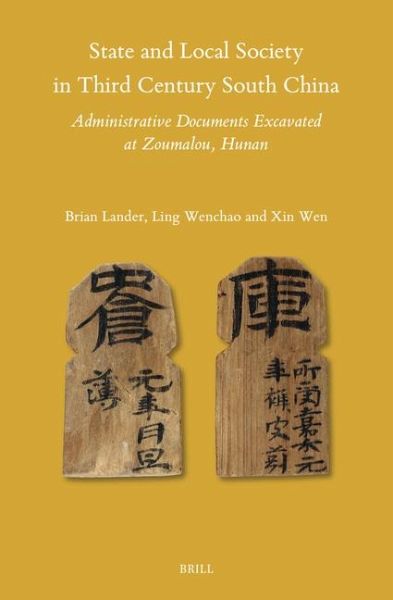
In 1996 archaeologists excavated over 70,000 inscribed pieces of wood from a well in Changsha, the largest such discovery ever made in China. They are local administrative records of the state of Wu in the 230s and provide remarkable detail on the society, governance, and economy of third century central China. Although Wu was one of the famous Three Kingdoms, its administrative history was poorly known until these documents were found, so we have written this book to explain the context and content of these document to help researchers use these valuable texts to rewrite the history of South China.