
- Broschiertes Buch
- Merkliste
- Auf die Merkliste
- Bewerten Bewerten
- Teilen
- Produkt teilen
- Produkterinnerung
- Produkterinnerung
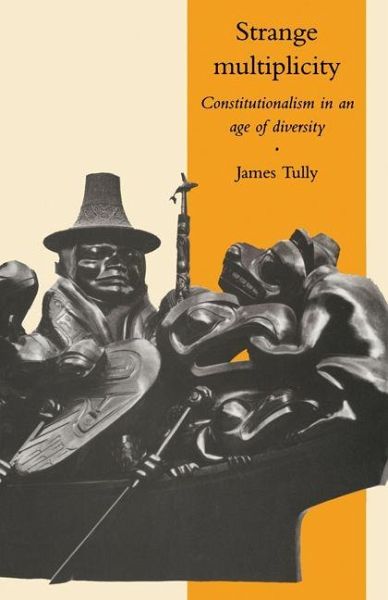
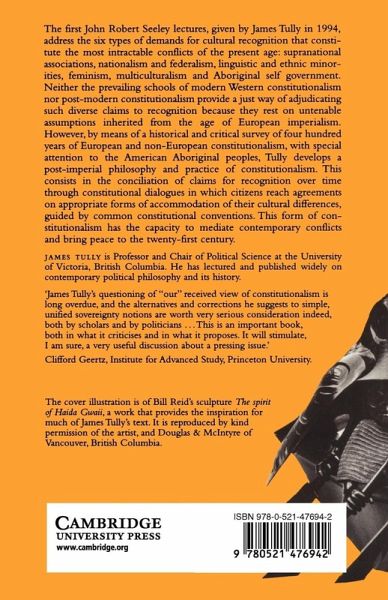
A profound survey of constitutionalism which develops a post-imperial philosophy to mediate conflicts in a multi-cultural age.
Andere Kunden interessierten sich auch für
 Gerry HassanThe Strange Death of Labour Scotland32,99 €
 Nikolas K. GvosdevThe Strange Death of Soviet Communism63,99 €
 Douglas MurrayThe Strange Death of Europe15,99 €
 Richard BellamyA Republican Europe of States34,99 €
 James Hankins (ed.)Renaissance Civic Humanism51,99 €
 F. Leigh GardnerA Catalogue Raisonné of Works on the Occult Sciences48,99 €
 Mark BevirThe Logic of the History of Ideas40,99 €
-
-
-



A profound survey of constitutionalism which develops a post-imperial philosophy to mediate conflicts in a multi-cultural age.
Produktdetails
- Produktdetails
- Verlag: Cambridge University Press
- Seitenzahl: 272
- Erscheinungstermin: 9. Dezember 2010
- Englisch
- Abmessung: 216mm x 140mm x 17mm
- Gewicht: 388g
- ISBN-13: 9780521476942
- ISBN-10: 0521476941
- Artikelnr.: 21964762
- Herstellerkennzeichnung
- Libri GmbH
- Europaallee 1
- 36244 Bad Hersfeld
- gpsr@libri.de
- Verlag: Cambridge University Press
- Seitenzahl: 272
- Erscheinungstermin: 9. Dezember 2010
- Englisch
- Abmessung: 216mm x 140mm x 17mm
- Gewicht: 388g
- ISBN-13: 9780521476942
- ISBN-10: 0521476941
- Artikelnr.: 21964762
- Herstellerkennzeichnung
- Libri GmbH
- Europaallee 1
- 36244 Bad Hersfeld
- gpsr@libri.de
After 45 years of mundane employment, James Tully retired and took a holiday he had denied himself for many years. Upon travelling on a cruise ship which brought him to the Arctic Circle, he watched the blue sea pass before him and wrote the first draft of his first novel. He then spent six months rewriting the effort of those two weeks, mostly for the purpose of correcting spelling and punctuation.
Part I. Demands for Constitutional Recognition: 1. The constitutional
question raised by the politics of cultural recognition: six examples and
three similarities; 2. The mutual recognition of cultural diversity: three
features of the common ground and three historical movements; 3. The spirit
of Haida Gwaii as a symbol of the age of cultural diversity; 4. A
constitutional dialogue in The spirit of Haida Gwaii; Part II. Diversity
and Contemporary Constitutionalism: 5. Anwering the constitutional
question: an outline; 6. Two languages of contemporary constitutionalism
and the three schools of modern constitutionalism; 7. The challenge of
post-modernism and cultural feminism; 8. The challenge of interculturalism;
Part III. The Historical Formation of Modern Constitutionalism: The Empire
of Uniformity: 9. Constitutions ancient and modern; 10. Seven features of
modern constitutionalism; 11. Example of forging the seven features: Locke
and Aboriginal peoples; 12. Vattel, Kant and their followers; 13.The reform
of diversity in Europe and the colonies; 14. The American revolution and
the guardians of empire today; Part IV. The Historical Formation of Common
Constitutionalism: The Rediscovery of Cultural Diversity, Part I: 15. The
hidden constitutions of contemporary societies; 16. Understanding
constitutionalism: Wittgenstein and Hale; 17. Examples of the three
conventions: the Aboriginal and common-law system and the conventions of
mutual recognition and consent; 18. The Aboriginal and common law system
and the convention of continuity; 19.The Aboriginal and common law system
and constitutional dialogue; Part V. The Historical Formation of Common
Constitutionalism: The Rediscovery of Cultural Diversity. Part II: 20.
Diverse federalism and the conventions of mutual recognition, continuity
and consent; 21. Diverse federalism and continuity: the Québec act and the
ancient constitution; 22. Diverse federalism, the three conventions and the
American revolution; 23. The modern attack on diverse federalism: the
Durham report and its followers; 24. Linguistic minorities and the three
conventions: the form of reasoning appropriate to mutual recognition and
accommodation; 25. Intercultural citizens, gender differences and the three
conventions; Part VI. Constitutionalism in an Age of Cultural Diversity:
25. A summary of contemporary constitutionalism; 26. Replies to four
objections to contemporary constitutionalism; 27. Two public goods of
contemporary constitutionalism: belonging and critical freedom; Conclusion:
the philosophy and practice of contemporary constitutionalism; Notes;
Bibliography; Index.
question raised by the politics of cultural recognition: six examples and
three similarities; 2. The mutual recognition of cultural diversity: three
features of the common ground and three historical movements; 3. The spirit
of Haida Gwaii as a symbol of the age of cultural diversity; 4. A
constitutional dialogue in The spirit of Haida Gwaii; Part II. Diversity
and Contemporary Constitutionalism: 5. Anwering the constitutional
question: an outline; 6. Two languages of contemporary constitutionalism
and the three schools of modern constitutionalism; 7. The challenge of
post-modernism and cultural feminism; 8. The challenge of interculturalism;
Part III. The Historical Formation of Modern Constitutionalism: The Empire
of Uniformity: 9. Constitutions ancient and modern; 10. Seven features of
modern constitutionalism; 11. Example of forging the seven features: Locke
and Aboriginal peoples; 12. Vattel, Kant and their followers; 13.The reform
of diversity in Europe and the colonies; 14. The American revolution and
the guardians of empire today; Part IV. The Historical Formation of Common
Constitutionalism: The Rediscovery of Cultural Diversity, Part I: 15. The
hidden constitutions of contemporary societies; 16. Understanding
constitutionalism: Wittgenstein and Hale; 17. Examples of the three
conventions: the Aboriginal and common-law system and the conventions of
mutual recognition and consent; 18. The Aboriginal and common law system
and the convention of continuity; 19.The Aboriginal and common law system
and constitutional dialogue; Part V. The Historical Formation of Common
Constitutionalism: The Rediscovery of Cultural Diversity. Part II: 20.
Diverse federalism and the conventions of mutual recognition, continuity
and consent; 21. Diverse federalism and continuity: the Québec act and the
ancient constitution; 22. Diverse federalism, the three conventions and the
American revolution; 23. The modern attack on diverse federalism: the
Durham report and its followers; 24. Linguistic minorities and the three
conventions: the form of reasoning appropriate to mutual recognition and
accommodation; 25. Intercultural citizens, gender differences and the three
conventions; Part VI. Constitutionalism in an Age of Cultural Diversity:
25. A summary of contemporary constitutionalism; 26. Replies to four
objections to contemporary constitutionalism; 27. Two public goods of
contemporary constitutionalism: belonging and critical freedom; Conclusion:
the philosophy and practice of contemporary constitutionalism; Notes;
Bibliography; Index.
Part I. Demands for Constitutional Recognition: 1. The constitutional
question raised by the politics of cultural recognition: six examples and
three similarities; 2. The mutual recognition of cultural diversity: three
features of the common ground and three historical movements; 3. The spirit
of Haida Gwaii as a symbol of the age of cultural diversity; 4. A
constitutional dialogue in The spirit of Haida Gwaii; Part II. Diversity
and Contemporary Constitutionalism: 5. Anwering the constitutional
question: an outline; 6. Two languages of contemporary constitutionalism
and the three schools of modern constitutionalism; 7. The challenge of
post-modernism and cultural feminism; 8. The challenge of interculturalism;
Part III. The Historical Formation of Modern Constitutionalism: The Empire
of Uniformity: 9. Constitutions ancient and modern; 10. Seven features of
modern constitutionalism; 11. Example of forging the seven features: Locke
and Aboriginal peoples; 12. Vattel, Kant and their followers; 13.The reform
of diversity in Europe and the colonies; 14. The American revolution and
the guardians of empire today; Part IV. The Historical Formation of Common
Constitutionalism: The Rediscovery of Cultural Diversity, Part I: 15. The
hidden constitutions of contemporary societies; 16. Understanding
constitutionalism: Wittgenstein and Hale; 17. Examples of the three
conventions: the Aboriginal and common-law system and the conventions of
mutual recognition and consent; 18. The Aboriginal and common law system
and the convention of continuity; 19.The Aboriginal and common law system
and constitutional dialogue; Part V. The Historical Formation of Common
Constitutionalism: The Rediscovery of Cultural Diversity. Part II: 20.
Diverse federalism and the conventions of mutual recognition, continuity
and consent; 21. Diverse federalism and continuity: the Québec act and the
ancient constitution; 22. Diverse federalism, the three conventions and the
American revolution; 23. The modern attack on diverse federalism: the
Durham report and its followers; 24. Linguistic minorities and the three
conventions: the form of reasoning appropriate to mutual recognition and
accommodation; 25. Intercultural citizens, gender differences and the three
conventions; Part VI. Constitutionalism in an Age of Cultural Diversity:
25. A summary of contemporary constitutionalism; 26. Replies to four
objections to contemporary constitutionalism; 27. Two public goods of
contemporary constitutionalism: belonging and critical freedom; Conclusion:
the philosophy and practice of contemporary constitutionalism; Notes;
Bibliography; Index.
question raised by the politics of cultural recognition: six examples and
three similarities; 2. The mutual recognition of cultural diversity: three
features of the common ground and three historical movements; 3. The spirit
of Haida Gwaii as a symbol of the age of cultural diversity; 4. A
constitutional dialogue in The spirit of Haida Gwaii; Part II. Diversity
and Contemporary Constitutionalism: 5. Anwering the constitutional
question: an outline; 6. Two languages of contemporary constitutionalism
and the three schools of modern constitutionalism; 7. The challenge of
post-modernism and cultural feminism; 8. The challenge of interculturalism;
Part III. The Historical Formation of Modern Constitutionalism: The Empire
of Uniformity: 9. Constitutions ancient and modern; 10. Seven features of
modern constitutionalism; 11. Example of forging the seven features: Locke
and Aboriginal peoples; 12. Vattel, Kant and their followers; 13.The reform
of diversity in Europe and the colonies; 14. The American revolution and
the guardians of empire today; Part IV. The Historical Formation of Common
Constitutionalism: The Rediscovery of Cultural Diversity, Part I: 15. The
hidden constitutions of contemporary societies; 16. Understanding
constitutionalism: Wittgenstein and Hale; 17. Examples of the three
conventions: the Aboriginal and common-law system and the conventions of
mutual recognition and consent; 18. The Aboriginal and common law system
and the convention of continuity; 19.The Aboriginal and common law system
and constitutional dialogue; Part V. The Historical Formation of Common
Constitutionalism: The Rediscovery of Cultural Diversity. Part II: 20.
Diverse federalism and the conventions of mutual recognition, continuity
and consent; 21. Diverse federalism and continuity: the Québec act and the
ancient constitution; 22. Diverse federalism, the three conventions and the
American revolution; 23. The modern attack on diverse federalism: the
Durham report and its followers; 24. Linguistic minorities and the three
conventions: the form of reasoning appropriate to mutual recognition and
accommodation; 25. Intercultural citizens, gender differences and the three
conventions; Part VI. Constitutionalism in an Age of Cultural Diversity:
25. A summary of contemporary constitutionalism; 26. Replies to four
objections to contemporary constitutionalism; 27. Two public goods of
contemporary constitutionalism: belonging and critical freedom; Conclusion:
the philosophy and practice of contemporary constitutionalism; Notes;
Bibliography; Index.