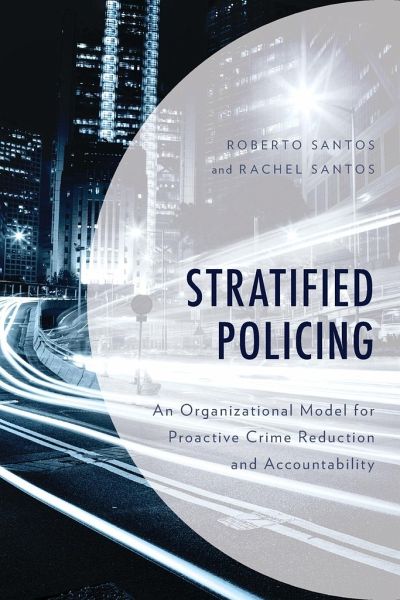
Stratified Policing seeks to facilitate organizational change for crime reduction by providing a clear and adaptable structure for analysis, problem solving, and accountability. This book outlines the theoretical and practical foundations for police departments to tailor and implement it into their operational crime reduction efforts.
Stratified Policing seeks to facilitate organizational change for crime reduction by providing a clear and adaptable structure for analysis, problem solving, and accountability. This book outlines the theoretical and practical foundations for police departments to tailor and implement it into their operational crime reduction efforts.
Chapter 1: Understanding Crime, Criminals, and What Works in Proactive Policing Understanding Crime and Criminals What Works in Proactive Crime Reduction Conclusion Chapter 2: Police Culture and Proactive Crime Reduction Cultural Barriers to Institutionalizing Proactive Crime Reduction Institutionalizing Proactive Crime Reduction into Police Culture Chapter 3: The Stratified Policing Model and Framework Problem Stratification Stratified Policing and the Problem-Solving Process Integration of Evidence-Based Proactive Strategies Stratification and the Role of Crime Analysis Stratification of Crime Reduction Responsibility by Rank Stratified Structure of Accountability Summary of the Stratified Policing Framework Chapter 4: Developing Crime Reduction Goals for Stratified Policing Responsibility for Crime Reduction Goals Development of Crime Reduction Goals Specifying Crime Reduction Goals Crime Reduction Goals: Practical Examples Crime Reduction Goal Assessment Process Chapter 5: Immediate Crime Reduction: Significant Incidents Assigned Responsibility: Investigations Supervisors Identification, Analysis, and Response to Significant Incidents Assessment and Accountability Stratified Policing Significant Incident Process Overview Chapter 6: Short-Term Crime Reduction: Repeat Incidents Assigned Responsibility: Patrol Supervisors Identification and Analysis of Repeat Incident Locations Response to Repeat Incident Locations Accountability and Assessment Stratified Policing Repeat Incident Process Overview Applying the Repeat Incident Process for Domestic Violence Chapter 7: Short-Term Crime Reduction: Crime Patterns Assigned Responsibility: Patrol Managers Identification and Analysis of Crime Patterns Response to Crime Patterns Assessment and Accountability Stratified Policing Crime Pattern Process Overview Practice-Based Research: Effectiveness of Response to Micro-Time Hot Spots Chapter 8: Long-Term Crime Reduction: Problem Offenders, Problem Locations, and Problem Areas Problem Offenders Problem Locations Problem Areas Long-Term Problems: Accountability Meetings and Documentation Stratified Policing Long-Term Problem Process Overview Chapter 9: Accountability and Meeting Structure Organizational Adjustments for Accountability Stratified Policing Accountability Meeting Structure and Evaluation Summary of Accountability Meetings Final Thoughts
Chapter 1: Understanding Crime, Criminals, and What Works in Proactive Policing Understanding Crime and Criminals What Works in Proactive Crime Reduction Conclusion Chapter 2: Police Culture and Proactive Crime Reduction Cultural Barriers to Institutionalizing Proactive Crime Reduction Institutionalizing Proactive Crime Reduction into Police Culture Chapter 3: The Stratified Policing Model and Framework Problem Stratification Stratified Policing and the Problem-Solving Process Integration of Evidence-Based Proactive Strategies Stratification and the Role of Crime Analysis Stratification of Crime Reduction Responsibility by Rank Stratified Structure of Accountability Summary of the Stratified Policing Framework Chapter 4: Developing Crime Reduction Goals for Stratified Policing Responsibility for Crime Reduction Goals Development of Crime Reduction Goals Specifying Crime Reduction Goals Crime Reduction Goals: Practical Examples Crime Reduction Goal Assessment Process Chapter 5: Immediate Crime Reduction: Significant Incidents Assigned Responsibility: Investigations Supervisors Identification, Analysis, and Response to Significant Incidents Assessment and Accountability Stratified Policing Significant Incident Process Overview Chapter 6: Short-Term Crime Reduction: Repeat Incidents Assigned Responsibility: Patrol Supervisors Identification and Analysis of Repeat Incident Locations Response to Repeat Incident Locations Accountability and Assessment Stratified Policing Repeat Incident Process Overview Applying the Repeat Incident Process for Domestic Violence Chapter 7: Short-Term Crime Reduction: Crime Patterns Assigned Responsibility: Patrol Managers Identification and Analysis of Crime Patterns Response to Crime Patterns Assessment and Accountability Stratified Policing Crime Pattern Process Overview Practice-Based Research: Effectiveness of Response to Micro-Time Hot Spots Chapter 8: Long-Term Crime Reduction: Problem Offenders, Problem Locations, and Problem Areas Problem Offenders Problem Locations Problem Areas Long-Term Problems: Accountability Meetings and Documentation Stratified Policing Long-Term Problem Process Overview Chapter 9: Accountability and Meeting Structure Organizational Adjustments for Accountability Stratified Policing Accountability Meeting Structure and Evaluation Summary of Accountability Meetings Final Thoughts
Es gelten unsere Allgemeinen Geschäftsbedingungen: www.buecher.de/agb
Impressum
www.buecher.de ist ein Internetauftritt der buecher.de internetstores GmbH
Geschäftsführung: Monica Sawhney | Roland Kölbl | Günter Hilger
Sitz der Gesellschaft: Batheyer Straße 115 - 117, 58099 Hagen
Postanschrift: Bürgermeister-Wegele-Str. 12, 86167 Augsburg
Amtsgericht Hagen HRB 13257
Steuernummer: 321/5800/1497
USt-IdNr: DE450055826