

Andere Kunden interessierten sich auch für
 Genetic Analysis and Stability Performance in Sunflower62,99 €
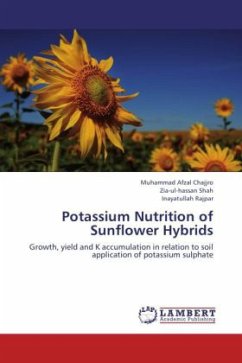
 Potassium Nutrition of Sunflower Hybrids32,99 €
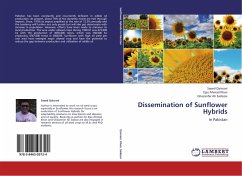
 Dissemination of Sunflower Hybrids32,99 €
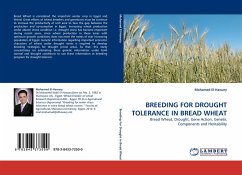
 BREEDING FOR DROUGHT TOLERANCE IN BREAD WHEAT32,99 €
 Comparative economics of local and High Yielding Varieties of Paddy27,99 €
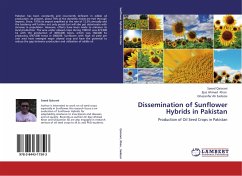
 Dissemination of Sunflower Hybrids in Pakistan32,99 €
 Diallel analysis in Aerobic Rice40,99 €



Sunflower (Helianthus annus L.) is a photo insensitive, highly cross pollinated crop due to protandrus condition of stamens, and pollination by honey bees. The principal states of sunflower cultivation in India are Karnataka, Maharashtra, Andhra Pradesh and Tamil Nadu which are regarded as traditional areas. Sunflower has the potential to be introduced on a large scale during rainfed kharif and rabi, summer under irrigation in most of the states. Wide genetic variation is required in breeding for major agronomically important traits like seed yield, oil yield and composition, flowering behavior, disease resistance. Plant breeding programs need such genetic variation to be able to combine positive traits from different parents to provide the required profitable and sustainable sunflower hybrids of the future. Enhancing the oil yield is the ultimate goal of any sunflower improvement programme. However, being poly-genetically controlled trait, selection based on yield alone is not effective. Genetic variation in traits of sunflower can be gainfully exploited in a crop improvement program, particularly for selection of elite germplasm having more oil content, seed and oil yield.