
- Broschiertes Buch
- Merkliste
- Auf die Merkliste
- Bewerten Bewerten
- Teilen
- Produkt teilen
- Produkterinnerung
- Produkterinnerung
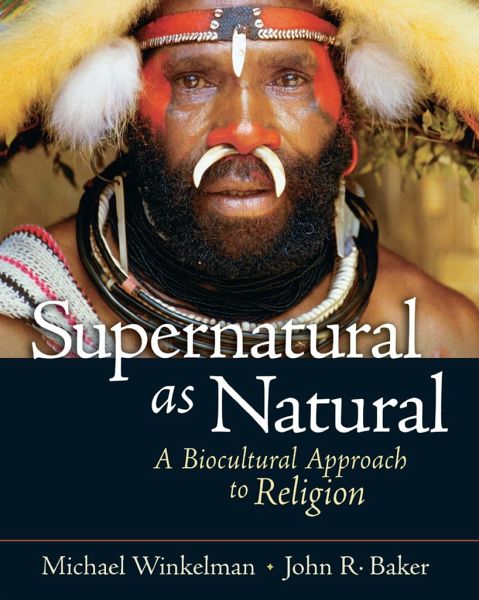
"Supernatural as Natural "examines ways in which our religious beliefs and experiences are products of our biological make-up. This book takes as its fundamental starting point the insight that humans are animals whose primary means of adapting to the world is culture, including religion.
Andere Kunden interessierten sich auch für
 Lyle B. SteadmanSupernatural and Natural Selection77,99 €
 Allan C. CarlsonThe Natural Family Where it Belongs58,99 €
 Scriptural Researches on the Licitness of the Slave-trade,: Shewing Its Conformity With the Principles of Natural and Revealed Religion, Delineated in15,99 €
 Rural Versus Urban: Their Conflict and Its Causes; a Study of the Conditions Affecting Their Natural and Artificial Relations23,99 €
 R A SydieNatural Women, Cultured Men36,99 €
 Hilary BecklesNatural Rebels40,99 €
 Daniel CherniloThe Natural Law Foundations of Modern Social Theory47,99 €
-
-
-






"Supernatural as Natural "examines ways in which our religious beliefs and experiences are products of our biological make-up. This book takes as its fundamental starting point the insight that humans are animals whose primary means of adapting to the world is culture, including religion.
Produktdetails
- Produktdetails
- Verlag: Taylor & Francis
- Seitenzahl: 384
- Erscheinungstermin: 1. Oktober 2007
- Englisch
- Abmessung: 249mm x 203mm x 15mm
- Gewicht: 680g
- ISBN-13: 9780131893030
- ISBN-10: 0131893033
- Artikelnr.: 24806648
- Herstellerkennzeichnung
- Libri GmbH
- Europaallee 1
- 36244 Bad Hersfeld
- gpsr@libri.de
- Verlag: Taylor & Francis
- Seitenzahl: 384
- Erscheinungstermin: 1. Oktober 2007
- Englisch
- Abmessung: 249mm x 203mm x 15mm
- Gewicht: 680g
- ISBN-13: 9780131893030
- ISBN-10: 0131893033
- Artikelnr.: 24806648
- Herstellerkennzeichnung
- Libri GmbH
- Europaallee 1
- 36244 Bad Hersfeld
- gpsr@libri.de
Michael Winkelman, Ph.D. (University of California-Irvine), M.P.H. (University of Arizona) is an Associate Professor in the School of Human Evolution and Social Change at Arizona State University. He served as President of the Anthropology of Consciousness section of the American Anthropological Association, as was the founding President of its Anthropology of Religion Section. His principal publications on shamanism include Shamans, Priests and Witches (1992) and Shamanism (2000). He has also addressed the role of psychedelic medicines in shamanism in his co-edited Psychedelic Medicine. John Baker, Dr. Phil. (Universität Hamburg, Germany) is a Professor of Anthropology at Moorpark College. He has authored several papers on the constructive use of altered states of consciousness and on the history and ritual uses of psychoactive substances. He is presently serving as the President of the Society for the Anthropology of Consciousness.
Introduction Religion's Family Resemblances Religion, Spirituality, and
Religiosity Overview of Book Chapter 1: Anthropology and the Study of
Religion Introduction to the Anthropological Study of Religion Western
Perspectives on Religion The Development of Anthropological Approaches to
Religion The Four-Field Approach of Anthropology Conclusion: The
Biocultural Approach to the Study of Religiosity Chapter 2: Our World and
How We Know It Introduction Science, Religion, and the Universe Mysticism
as Science Conclusions: Comparing Science and Religion Chapter 3:
Consciousness and Spiritual Experiences Opening vignette: Visionary
Spiritual Experiences and the Origins of Major Religious Traditions
Introduction What is Consciousness? The Biological Bases of Spiritual
Consciousness: The Integrative Mode of Consciousness Origins of Religious
Experiences: Natural Induction of the Integrative Mode of Consciousness
Adaptive Aspects of the Integrative Mode of Consciousness Conclusion:
Religious Experience as Personal Experience of Biology Appendix: Assessing
Mystical Experiences/Hood's Mysticism Scale Chapter 4: Animal Rituals and
the Roots of Religiosity Introduction: Ritual in the Animal World What are
Rituals? The Triune Brain and Ritual Behavior Animal Rituals The Evolution
of Ritual Behaviors Conclusions: The Animal Roots of Human Ritual Activity
Chapter 5: The Origins of Shamanism and the Flowering of Religiosity
Introduction: Evidence for the Emergence of New Forms of Ritual What are
Shamans? The Evolutionary Origins of Spiritual Experiences
Psilocybin-Containing Mushrooms as Sources of Spiritual Experiences The
Middle/Upper Paleolithic Transition and Human Cultural Evolution Human
Cognitive Evolution: The Emergence of Specialized Intelligences "Complex
Hunter-Gatherer Type Religions": The Rise of Ancestor Cults and Priests
Conclusions Chapter 6: Origins and Functions of Religious Healing
Introduction: Religious Healing as a Cultural Universal The Co-Evolution of
Healing and Religiosity Shamanism as a Foundation for Religious Healing
Adaptations Religious Adaptations in Healing Processes Conclusions:
Shamanic Healing and the Holistic Imperative Chapter 7: Religion and
Cognition: How Religion Shapes How We Think Introduction: Religious Ideas
and the Structure of the Universe Animism: The Belief in Spirit Beings Myth
and the Universe Substantive Beliefs Conclusions: Spirit Concepts as
Indigenous Psychologies Chapter 8: Religion and Emotions Introduction
Bronislav Malinowski: The Emotional Adaptiveness of Magic and Religion
Sigmund Freud and the Roles of the Unconscious in Religion Religion, Sex,
and Gender How Religion Shapes Our Development Religion as an Evolutionary
Byproduct? Attachment Theory and Religion Religious Conversion as Learning
a Second Culture Conclusions Chapter 9: Religion and Society: How Religion
Shapes Our Relations with Others Introduction The Evolutionary Origins of
Human Social Organization and Religion Durkheim and the Social Symbolic
Approaches to Religion Religion and Social Control The Social Origins of
Conceptualizations of Deity and the Sacred Religion as a Biologically-Based
Adaptive Social Mechanism Conclusions: Durkheim's Legacy in Understanding
Religion as a Social and Symbolic Phenomenon Chapter 10: Supernatural Evil
Introduction: Supernatural Evil as a Religious Universal Anthropological
Views of Sorcery and Witchcraft The Sorcerer/Witch as a Social Universal of
Religion and Shamanism Witchcraft and Heresy in Europe Human Sacrifice
Conclusions Chapter 11: Conclusions: Religion in Evolutionary Perspective
Introduction The Conceptual Frameworks of Evolution Assessing the
Evolutionary Status of Religious Features Why Must we Learn to Disagree?
Conclusions: Universalist Perspectives References Index
Religiosity Overview of Book Chapter 1: Anthropology and the Study of
Religion Introduction to the Anthropological Study of Religion Western
Perspectives on Religion The Development of Anthropological Approaches to
Religion The Four-Field Approach of Anthropology Conclusion: The
Biocultural Approach to the Study of Religiosity Chapter 2: Our World and
How We Know It Introduction Science, Religion, and the Universe Mysticism
as Science Conclusions: Comparing Science and Religion Chapter 3:
Consciousness and Spiritual Experiences Opening vignette: Visionary
Spiritual Experiences and the Origins of Major Religious Traditions
Introduction What is Consciousness? The Biological Bases of Spiritual
Consciousness: The Integrative Mode of Consciousness Origins of Religious
Experiences: Natural Induction of the Integrative Mode of Consciousness
Adaptive Aspects of the Integrative Mode of Consciousness Conclusion:
Religious Experience as Personal Experience of Biology Appendix: Assessing
Mystical Experiences/Hood's Mysticism Scale Chapter 4: Animal Rituals and
the Roots of Religiosity Introduction: Ritual in the Animal World What are
Rituals? The Triune Brain and Ritual Behavior Animal Rituals The Evolution
of Ritual Behaviors Conclusions: The Animal Roots of Human Ritual Activity
Chapter 5: The Origins of Shamanism and the Flowering of Religiosity
Introduction: Evidence for the Emergence of New Forms of Ritual What are
Shamans? The Evolutionary Origins of Spiritual Experiences
Psilocybin-Containing Mushrooms as Sources of Spiritual Experiences The
Middle/Upper Paleolithic Transition and Human Cultural Evolution Human
Cognitive Evolution: The Emergence of Specialized Intelligences "Complex
Hunter-Gatherer Type Religions": The Rise of Ancestor Cults and Priests
Conclusions Chapter 6: Origins and Functions of Religious Healing
Introduction: Religious Healing as a Cultural Universal The Co-Evolution of
Healing and Religiosity Shamanism as a Foundation for Religious Healing
Adaptations Religious Adaptations in Healing Processes Conclusions:
Shamanic Healing and the Holistic Imperative Chapter 7: Religion and
Cognition: How Religion Shapes How We Think Introduction: Religious Ideas
and the Structure of the Universe Animism: The Belief in Spirit Beings Myth
and the Universe Substantive Beliefs Conclusions: Spirit Concepts as
Indigenous Psychologies Chapter 8: Religion and Emotions Introduction
Bronislav Malinowski: The Emotional Adaptiveness of Magic and Religion
Sigmund Freud and the Roles of the Unconscious in Religion Religion, Sex,
and Gender How Religion Shapes Our Development Religion as an Evolutionary
Byproduct? Attachment Theory and Religion Religious Conversion as Learning
a Second Culture Conclusions Chapter 9: Religion and Society: How Religion
Shapes Our Relations with Others Introduction The Evolutionary Origins of
Human Social Organization and Religion Durkheim and the Social Symbolic
Approaches to Religion Religion and Social Control The Social Origins of
Conceptualizations of Deity and the Sacred Religion as a Biologically-Based
Adaptive Social Mechanism Conclusions: Durkheim's Legacy in Understanding
Religion as a Social and Symbolic Phenomenon Chapter 10: Supernatural Evil
Introduction: Supernatural Evil as a Religious Universal Anthropological
Views of Sorcery and Witchcraft The Sorcerer/Witch as a Social Universal of
Religion and Shamanism Witchcraft and Heresy in Europe Human Sacrifice
Conclusions Chapter 11: Conclusions: Religion in Evolutionary Perspective
Introduction The Conceptual Frameworks of Evolution Assessing the
Evolutionary Status of Religious Features Why Must we Learn to Disagree?
Conclusions: Universalist Perspectives References Index
Introduction Religion's Family Resemblances Religion, Spirituality, and
Religiosity Overview of Book Chapter 1: Anthropology and the Study of
Religion Introduction to the Anthropological Study of Religion Western
Perspectives on Religion The Development of Anthropological Approaches to
Religion The Four-Field Approach of Anthropology Conclusion: The
Biocultural Approach to the Study of Religiosity Chapter 2: Our World and
How We Know It Introduction Science, Religion, and the Universe Mysticism
as Science Conclusions: Comparing Science and Religion Chapter 3:
Consciousness and Spiritual Experiences Opening vignette: Visionary
Spiritual Experiences and the Origins of Major Religious Traditions
Introduction What is Consciousness? The Biological Bases of Spiritual
Consciousness: The Integrative Mode of Consciousness Origins of Religious
Experiences: Natural Induction of the Integrative Mode of Consciousness
Adaptive Aspects of the Integrative Mode of Consciousness Conclusion:
Religious Experience as Personal Experience of Biology Appendix: Assessing
Mystical Experiences/Hood's Mysticism Scale Chapter 4: Animal Rituals and
the Roots of Religiosity Introduction: Ritual in the Animal World What are
Rituals? The Triune Brain and Ritual Behavior Animal Rituals The Evolution
of Ritual Behaviors Conclusions: The Animal Roots of Human Ritual Activity
Chapter 5: The Origins of Shamanism and the Flowering of Religiosity
Introduction: Evidence for the Emergence of New Forms of Ritual What are
Shamans? The Evolutionary Origins of Spiritual Experiences
Psilocybin-Containing Mushrooms as Sources of Spiritual Experiences The
Middle/Upper Paleolithic Transition and Human Cultural Evolution Human
Cognitive Evolution: The Emergence of Specialized Intelligences "Complex
Hunter-Gatherer Type Religions": The Rise of Ancestor Cults and Priests
Conclusions Chapter 6: Origins and Functions of Religious Healing
Introduction: Religious Healing as a Cultural Universal The Co-Evolution of
Healing and Religiosity Shamanism as a Foundation for Religious Healing
Adaptations Religious Adaptations in Healing Processes Conclusions:
Shamanic Healing and the Holistic Imperative Chapter 7: Religion and
Cognition: How Religion Shapes How We Think Introduction: Religious Ideas
and the Structure of the Universe Animism: The Belief in Spirit Beings Myth
and the Universe Substantive Beliefs Conclusions: Spirit Concepts as
Indigenous Psychologies Chapter 8: Religion and Emotions Introduction
Bronislav Malinowski: The Emotional Adaptiveness of Magic and Religion
Sigmund Freud and the Roles of the Unconscious in Religion Religion, Sex,
and Gender How Religion Shapes Our Development Religion as an Evolutionary
Byproduct? Attachment Theory and Religion Religious Conversion as Learning
a Second Culture Conclusions Chapter 9: Religion and Society: How Religion
Shapes Our Relations with Others Introduction The Evolutionary Origins of
Human Social Organization and Religion Durkheim and the Social Symbolic
Approaches to Religion Religion and Social Control The Social Origins of
Conceptualizations of Deity and the Sacred Religion as a Biologically-Based
Adaptive Social Mechanism Conclusions: Durkheim's Legacy in Understanding
Religion as a Social and Symbolic Phenomenon Chapter 10: Supernatural Evil
Introduction: Supernatural Evil as a Religious Universal Anthropological
Views of Sorcery and Witchcraft The Sorcerer/Witch as a Social Universal of
Religion and Shamanism Witchcraft and Heresy in Europe Human Sacrifice
Conclusions Chapter 11: Conclusions: Religion in Evolutionary Perspective
Introduction The Conceptual Frameworks of Evolution Assessing the
Evolutionary Status of Religious Features Why Must we Learn to Disagree?
Conclusions: Universalist Perspectives References Index
Religiosity Overview of Book Chapter 1: Anthropology and the Study of
Religion Introduction to the Anthropological Study of Religion Western
Perspectives on Religion The Development of Anthropological Approaches to
Religion The Four-Field Approach of Anthropology Conclusion: The
Biocultural Approach to the Study of Religiosity Chapter 2: Our World and
How We Know It Introduction Science, Religion, and the Universe Mysticism
as Science Conclusions: Comparing Science and Religion Chapter 3:
Consciousness and Spiritual Experiences Opening vignette: Visionary
Spiritual Experiences and the Origins of Major Religious Traditions
Introduction What is Consciousness? The Biological Bases of Spiritual
Consciousness: The Integrative Mode of Consciousness Origins of Religious
Experiences: Natural Induction of the Integrative Mode of Consciousness
Adaptive Aspects of the Integrative Mode of Consciousness Conclusion:
Religious Experience as Personal Experience of Biology Appendix: Assessing
Mystical Experiences/Hood's Mysticism Scale Chapter 4: Animal Rituals and
the Roots of Religiosity Introduction: Ritual in the Animal World What are
Rituals? The Triune Brain and Ritual Behavior Animal Rituals The Evolution
of Ritual Behaviors Conclusions: The Animal Roots of Human Ritual Activity
Chapter 5: The Origins of Shamanism and the Flowering of Religiosity
Introduction: Evidence for the Emergence of New Forms of Ritual What are
Shamans? The Evolutionary Origins of Spiritual Experiences
Psilocybin-Containing Mushrooms as Sources of Spiritual Experiences The
Middle/Upper Paleolithic Transition and Human Cultural Evolution Human
Cognitive Evolution: The Emergence of Specialized Intelligences "Complex
Hunter-Gatherer Type Religions": The Rise of Ancestor Cults and Priests
Conclusions Chapter 6: Origins and Functions of Religious Healing
Introduction: Religious Healing as a Cultural Universal The Co-Evolution of
Healing and Religiosity Shamanism as a Foundation for Religious Healing
Adaptations Religious Adaptations in Healing Processes Conclusions:
Shamanic Healing and the Holistic Imperative Chapter 7: Religion and
Cognition: How Religion Shapes How We Think Introduction: Religious Ideas
and the Structure of the Universe Animism: The Belief in Spirit Beings Myth
and the Universe Substantive Beliefs Conclusions: Spirit Concepts as
Indigenous Psychologies Chapter 8: Religion and Emotions Introduction
Bronislav Malinowski: The Emotional Adaptiveness of Magic and Religion
Sigmund Freud and the Roles of the Unconscious in Religion Religion, Sex,
and Gender How Religion Shapes Our Development Religion as an Evolutionary
Byproduct? Attachment Theory and Religion Religious Conversion as Learning
a Second Culture Conclusions Chapter 9: Religion and Society: How Religion
Shapes Our Relations with Others Introduction The Evolutionary Origins of
Human Social Organization and Religion Durkheim and the Social Symbolic
Approaches to Religion Religion and Social Control The Social Origins of
Conceptualizations of Deity and the Sacred Religion as a Biologically-Based
Adaptive Social Mechanism Conclusions: Durkheim's Legacy in Understanding
Religion as a Social and Symbolic Phenomenon Chapter 10: Supernatural Evil
Introduction: Supernatural Evil as a Religious Universal Anthropological
Views of Sorcery and Witchcraft The Sorcerer/Witch as a Social Universal of
Religion and Shamanism Witchcraft and Heresy in Europe Human Sacrifice
Conclusions Chapter 11: Conclusions: Religion in Evolutionary Perspective
Introduction The Conceptual Frameworks of Evolution Assessing the
Evolutionary Status of Religious Features Why Must we Learn to Disagree?
Conclusions: Universalist Perspectives References Index