- Broschiertes Buch
- Merkliste
- Auf die Merkliste
- Bewerten Bewerten
- Teilen
- Produkt teilen
- Produkterinnerung
- Produkterinnerung
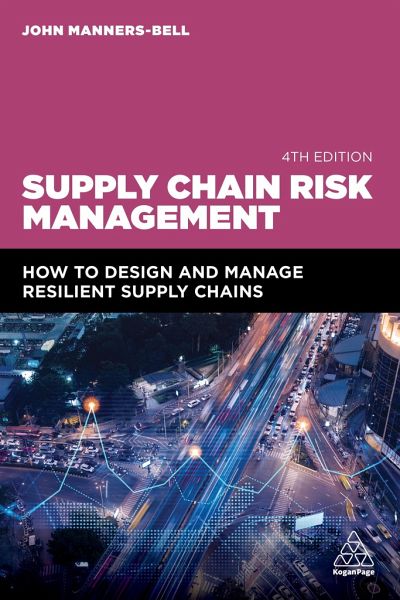
From an evolving political landscape to unprecedented global events, implement robust systems to help mitigate supply chain risks and ensure resilience with this essential guide.
Andere Kunden interessierten sich auch für
Gwynne RichardsWarehouse Management42,99 €
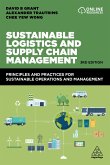
David B. GrantSustainable Logistics and Supply Chain Management58,99 €
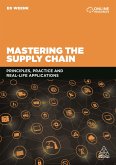
Ed WeenkMastering the Supply Chain36,99 €
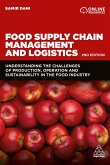
Samir DaniFood Supply Chain Management and Logistics81,99 €
Samir DaniFood Supply Chain Management and Logistics70,99 €
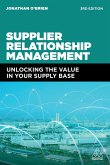
Jonathan O'BrienSupplier Relationship Management82,99 €
Gwynne RichardsThe Logistics and Supply Chain Toolkit71,99 €-
-
-
From an evolving political landscape to unprecedented global events, implement robust systems to help mitigate supply chain risks and ensure resilience with this essential guide.
Produktdetails
- Produktdetails
- Verlag: Kogan Page Ltd
- 4 Revised edition
- Seitenzahl: 448
- Erscheinungstermin: 3. November 2023
- Englisch
- Abmessung: 234mm x 156mm x 29mm
- Gewicht: 684g
- ISBN-13: 9781398613218
- ISBN-10: 1398613215
- Artikelnr.: 67444658
- Herstellerkennzeichnung
- Libri GmbH
- Europaallee 1
- 36244 Bad Hersfeld
- gpsr@libri.de
- Verlag: Kogan Page Ltd
- 4 Revised edition
- Seitenzahl: 448
- Erscheinungstermin: 3. November 2023
- Englisch
- Abmessung: 234mm x 156mm x 29mm
- Gewicht: 684g
- ISBN-13: 9781398613218
- ISBN-10: 1398613215
- Artikelnr.: 67444658
- Herstellerkennzeichnung
- Libri GmbH
- Europaallee 1
- 36244 Bad Hersfeld
- gpsr@libri.de
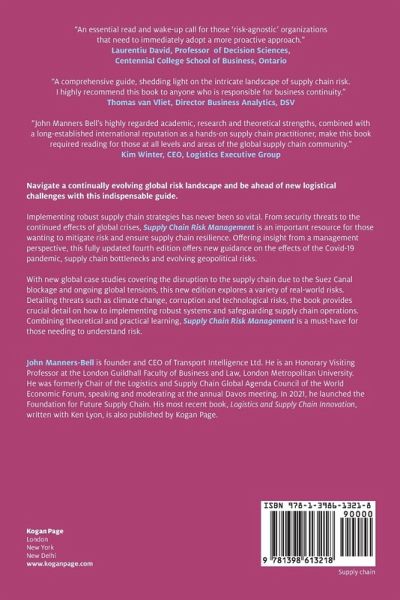
John Manners-Bell is founder and CEO of Transport Intelligence Ltd. He is an Honorary Visiting Professor, London Guildhall Faculty of Business and Law, London Metropolitan University. He was formerly Chair of the Logistics and Supply Chain Global Agenda Council of the World Economic Forum, speaking and moderating at the annual Davos meeting. In 2021 he founded the Foundation for Future Supply Chain. His most recent book, Logistics and Supply Chain Innovation, was published by Kogan Page in November 2022.
Chapter
00: Introduction; Section
ONE: Building a resilient supply chain; Chapter
01: A framework for understanding risk; Chapter
02: Engineering supply chain resilience; Chapter
03: Contagion and logistics networks; Chapter
04: Lessons from the Covid crisis; Section
TWO: Industry sector risk; Chapter
05: Industry sector resilience to supply chain threats; Chapter
06: Automotive supply chains; Chapter
07: High
tech supply chains; Chapter
08: Consumer goods supply chains; Chapter
09: Food supply chain vulnerability; Chapter
10: Evolving risk in pharmaceutical supply chains; Chapter
11: Fashion supply chains; Section
THREE: Supply chains' interaction with the natural world; Chapter
12: Natural disasters; Chapter
13: Climate change and emissions policy; Chapter
14: Environmental impact of global value chains; Section
FOUR: Economic, societal and political risks; Chapter
15: Economic risks to the supply chain; Chapter
16: Societal risks to supply chains; Chapter
17: Political risks in international supply chains; Section
FIVE: Security and cyber threats; Chapter
18: Corruption and bribery in international logistics; Chapter
19: Cargo crime and piracy; Chapter
20: Corruption in public procurement, defence and humanitarian logistics; Chapter
21: Terrorism and security; Chapter
22: Cyber threats to supply chains; Chapter
23: Illicit supply chains; Chapter
24: Conclusion; Chapter
25: References;

00: Introduction; Section
ONE: Building a resilient supply chain; Chapter
01: A framework for understanding risk; Chapter
02: Engineering supply chain resilience; Chapter
03: Contagion and logistics networks; Chapter
04: Lessons from the Covid crisis; Section
TWO: Industry sector risk; Chapter
05: Industry sector resilience to supply chain threats; Chapter
06: Automotive supply chains; Chapter
07: High
tech supply chains; Chapter
08: Consumer goods supply chains; Chapter
09: Food supply chain vulnerability; Chapter
10: Evolving risk in pharmaceutical supply chains; Chapter
11: Fashion supply chains; Section
THREE: Supply chains' interaction with the natural world; Chapter
12: Natural disasters; Chapter
13: Climate change and emissions policy; Chapter
14: Environmental impact of global value chains; Section
FOUR: Economic, societal and political risks; Chapter
15: Economic risks to the supply chain; Chapter
16: Societal risks to supply chains; Chapter
17: Political risks in international supply chains; Section
FIVE: Security and cyber threats; Chapter
18: Corruption and bribery in international logistics; Chapter
19: Cargo crime and piracy; Chapter
20: Corruption in public procurement, defence and humanitarian logistics; Chapter
21: Terrorism and security; Chapter
22: Cyber threats to supply chains; Chapter
23: Illicit supply chains; Chapter
24: Conclusion; Chapter
25: References;
Chapter
00: Introduction; Section
ONE: Building a resilient supply chain; Chapter
01: A framework for understanding risk; Chapter
02: Engineering supply chain resilience; Chapter
03: Contagion and logistics networks; Chapter
04: Lessons from the Covid crisis; Section
TWO: Industry sector risk; Chapter
05: Industry sector resilience to supply chain threats; Chapter
06: Automotive supply chains; Chapter
07: High
tech supply chains; Chapter
08: Consumer goods supply chains; Chapter
09: Food supply chain vulnerability; Chapter
10: Evolving risk in pharmaceutical supply chains; Chapter
11: Fashion supply chains; Section
THREE: Supply chains' interaction with the natural world; Chapter
12: Natural disasters; Chapter
13: Climate change and emissions policy; Chapter
14: Environmental impact of global value chains; Section
FOUR: Economic, societal and political risks; Chapter
15: Economic risks to the supply chain; Chapter
16: Societal risks to supply chains; Chapter
17: Political risks in international supply chains; Section
FIVE: Security and cyber threats; Chapter
18: Corruption and bribery in international logistics; Chapter
19: Cargo crime and piracy; Chapter
20: Corruption in public procurement, defence and humanitarian logistics; Chapter
21: Terrorism and security; Chapter
22: Cyber threats to supply chains; Chapter
23: Illicit supply chains; Chapter
24: Conclusion; Chapter
25: References;
00: Introduction; Section
ONE: Building a resilient supply chain; Chapter
01: A framework for understanding risk; Chapter
02: Engineering supply chain resilience; Chapter
03: Contagion and logistics networks; Chapter
04: Lessons from the Covid crisis; Section
TWO: Industry sector risk; Chapter
05: Industry sector resilience to supply chain threats; Chapter
06: Automotive supply chains; Chapter
07: High
tech supply chains; Chapter
08: Consumer goods supply chains; Chapter
09: Food supply chain vulnerability; Chapter
10: Evolving risk in pharmaceutical supply chains; Chapter
11: Fashion supply chains; Section
THREE: Supply chains' interaction with the natural world; Chapter
12: Natural disasters; Chapter
13: Climate change and emissions policy; Chapter
14: Environmental impact of global value chains; Section
FOUR: Economic, societal and political risks; Chapter
15: Economic risks to the supply chain; Chapter
16: Societal risks to supply chains; Chapter
17: Political risks in international supply chains; Section
FIVE: Security and cyber threats; Chapter
18: Corruption and bribery in international logistics; Chapter
19: Cargo crime and piracy; Chapter
20: Corruption in public procurement, defence and humanitarian logistics; Chapter
21: Terrorism and security; Chapter
22: Cyber threats to supply chains; Chapter
23: Illicit supply chains; Chapter
24: Conclusion; Chapter
25: References;