
Anna Brzozowska, Arnold Pabian, Barbara Pabian
Sustainability in Project Management
A Functional Approach
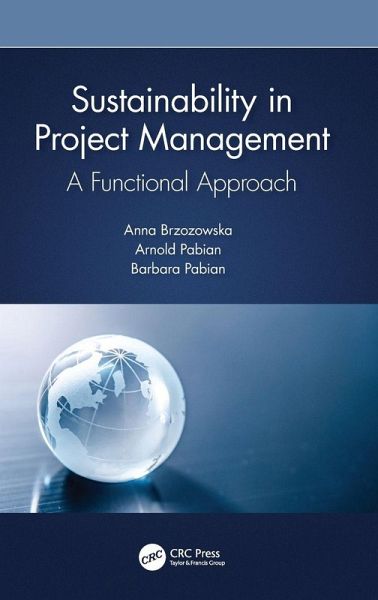
Anna Brzozowska, Arnold Pabian, Barbara Pabian
Sustainability in Project Management
A Functional Approach
- Gebundenes Buch
- Merkliste
- Auf die Merkliste
- Bewerten Bewerten
- Teilen
- Produkt teilen
- Produkterinnerung
- Produkterinnerung
This book presents a new approach to the issue of project management, showing how it can be approached through the lens of sustainability. The focus is on a functional approach to the subject, allowing management and business to implement the methodology discussed.
Andere Kunden interessierten sich auch für
 Igor Ya. PavlinovTaxonomic Nomenclature133,99 €
 Dan CarterThe Art of Winning10,99 €
 Susan KrumdieckTransition Engineering132,99 €
 Manuel González de MolinaPolitical Agroecology173,99 €
 Julia D. SigwartWhat Species Mean167,99 €
 Søren Nors NielsenSustainable Development Indicators115,99 €
 Felicity Anne HuntingfordBehavioural Ecology of Fishes302,99 €
-
-
-





This book presents a new approach to the issue of project management, showing how it can be approached through the lens of sustainability. The focus is on a functional approach to the subject, allowing management and business to implement the methodology discussed.
Produktdetails
- Produktdetails
- Verlag: CRC Press
- Seitenzahl: 196
- Erscheinungstermin: 2. April 2021
- Englisch
- Abmessung: 240mm x 161mm x 15mm
- Gewicht: 464g
- ISBN-13: 9780367518745
- ISBN-10: 0367518740
- Artikelnr.: 60604527
- Herstellerkennzeichnung
- Libri GmbH
- Europaallee 1
- 36244 Bad Hersfeld
- gpsr@libri.de
- Verlag: CRC Press
- Seitenzahl: 196
- Erscheinungstermin: 2. April 2021
- Englisch
- Abmessung: 240mm x 161mm x 15mm
- Gewicht: 464g
- ISBN-13: 9780367518745
- ISBN-10: 0367518740
- Artikelnr.: 60604527
- Herstellerkennzeichnung
- Libri GmbH
- Europaallee 1
- 36244 Bad Hersfeld
- gpsr@libri.de
Anna Brzozowska is associate professor in economics, in discipline of management studies. Currently she works in Department of Business Informatics and Ecosystems, Faculty of Management, at Czestochowa University of Technology, Poland. She is the author or co-author of about 160 scientific publications. She actively participated in over 30 conferences, mainly international, as well as in few research projects. She is the editor of EUREKA journal, and the editor of selected editions of Research Bulletin of the Technical University of Cz¿stochowa. Her main research and study is the broadly defined concept of management in agribusiness and the European Union integration processes; IT in business; managing projects; organization of management, logistics, and transport processes. Her scientific interests are also focused on the management of international organizational culture. Arnold Pabian (Prof. Dr. Habil., Full Professor) is a specialist in management and marketing. He has published over 300 works, including books, articles and papers in Poland and abroad. Many of these pubications relate to sustainable management and sustainable marketing. Currently, Prof. Arnold Pabian is the Vice-Rector for Management and Marketing at Czestochowa University of Technology, Poland. He has been awarded the Golden Cross of Merit by the President of the Republic of Poland for his contribution to the development of science. He has authored and edited a large number of books. Barbara Pabian holds a post-doctoral degree (dr habil.) in cultural studies and works as a Professor at the Faculty of Management, University of Economics in Katowice, Poland. She is an author of approximately 90 scientific publications, including books and articles, published in Polish, English and Russian, as well as a textbook for students. Since 2008, she has been the Dean of the Faculty of Tourism at the WSHT (School of Graduate Studies in Hospitality Management and Tourism) in Cz¿stochowa, as well as the Head of Post-Graduate Studies. She has been awarded the Medal of National Education.
Introduction.
PART 1 Project management in the face of environmental and social threats.
1.1. Environmental and social threats in the contemporary world.
1.2. Sustainable development and its challenges.
1.3. Project management against the challenges of sustainable development.
PART 2 Project stakeholders in the sustainability concept.
2.1. Ecological and social responsibility of stakeholders.
2.2. Profile of a sustainable project manager.
2.3. Members of the sustainability project team and their recruitment.
PART 3 A functional approach to sustainable project management.
3.1. Project management as a sequence of functions and activities.
3.2. Project initiation in the light of sustainability.
3.3. Sustainability and risk identification in the project planning phase.
3.4. Pro-environmental and pro-social organization of project activities.
3.5. Motivating the project team to work in the sphere of sustainability.
3.6. Controlling the work of the project team and its results.
PART 4 Material resources in sustainable project management.
4.1. Types of material resources and their importance in project
implementation.
4.2. Sustainable building infrastructure.
4.3. Sustainable equipment of production halls and offices.
4.4. Sustainable transport.
4.5. Sustainable products as manufacturing output.
4.6. Impact of sustainability solutions on project costs and budget.
Part 5 Sustainable project management from the IT perspective.
5.1. Information technology in project management.
5.2. Information systems applied to sustainability assessment.
5.3. The relationship between information systems and project management
systems and sustainable development features.
References.
PART 1 Project management in the face of environmental and social threats.
1.1. Environmental and social threats in the contemporary world.
1.2. Sustainable development and its challenges.
1.3. Project management against the challenges of sustainable development.
PART 2 Project stakeholders in the sustainability concept.
2.1. Ecological and social responsibility of stakeholders.
2.2. Profile of a sustainable project manager.
2.3. Members of the sustainability project team and their recruitment.
PART 3 A functional approach to sustainable project management.
3.1. Project management as a sequence of functions and activities.
3.2. Project initiation in the light of sustainability.
3.3. Sustainability and risk identification in the project planning phase.
3.4. Pro-environmental and pro-social organization of project activities.
3.5. Motivating the project team to work in the sphere of sustainability.
3.6. Controlling the work of the project team and its results.
PART 4 Material resources in sustainable project management.
4.1. Types of material resources and their importance in project
implementation.
4.2. Sustainable building infrastructure.
4.3. Sustainable equipment of production halls and offices.
4.4. Sustainable transport.
4.5. Sustainable products as manufacturing output.
4.6. Impact of sustainability solutions on project costs and budget.
Part 5 Sustainable project management from the IT perspective.
5.1. Information technology in project management.
5.2. Information systems applied to sustainability assessment.
5.3. The relationship between information systems and project management
systems and sustainable development features.
References.
Introduction.
PART 1 Project management in the face of environmental and social threats.
1.1. Environmental and social threats in the contemporary world.
1.2. Sustainable development and its challenges.
1.3. Project management against the challenges of sustainable development.
PART 2 Project stakeholders in the sustainability concept.
2.1. Ecological and social responsibility of stakeholders.
2.2. Profile of a sustainable project manager.
2.3. Members of the sustainability project team and their recruitment.
PART 3 A functional approach to sustainable project management.
3.1. Project management as a sequence of functions and activities.
3.2. Project initiation in the light of sustainability.
3.3. Sustainability and risk identification in the project planning phase.
3.4. Pro-environmental and pro-social organization of project activities.
3.5. Motivating the project team to work in the sphere of sustainability.
3.6. Controlling the work of the project team and its results.
PART 4 Material resources in sustainable project management.
4.1. Types of material resources and their importance in project implementation.
4.2. Sustainable building infrastructure.
4.3. Sustainable equipment of production halls and offices.
4.4. Sustainable transport.
4.5. Sustainable products as manufacturing output.
4.6. Impact of sustainability solutions on project costs and budget.
Part 5 Sustainable project management from the IT perspective.
5.1. Information technology in project management.
5.2. Information systems applied to sustainability assessment.
5.3. The relationship between information systems and project management systems and sustainable development features.
References.
PART 1 Project management in the face of environmental and social threats.
1.1. Environmental and social threats in the contemporary world.
1.2. Sustainable development and its challenges.
1.3. Project management against the challenges of sustainable development.
PART 2 Project stakeholders in the sustainability concept.
2.1. Ecological and social responsibility of stakeholders.
2.2. Profile of a sustainable project manager.
2.3. Members of the sustainability project team and their recruitment.
PART 3 A functional approach to sustainable project management.
3.1. Project management as a sequence of functions and activities.
3.2. Project initiation in the light of sustainability.
3.3. Sustainability and risk identification in the project planning phase.
3.4. Pro-environmental and pro-social organization of project activities.
3.5. Motivating the project team to work in the sphere of sustainability.
3.6. Controlling the work of the project team and its results.
PART 4 Material resources in sustainable project management.
4.1. Types of material resources and their importance in project implementation.
4.2. Sustainable building infrastructure.
4.3. Sustainable equipment of production halls and offices.
4.4. Sustainable transport.
4.5. Sustainable products as manufacturing output.
4.6. Impact of sustainability solutions on project costs and budget.
Part 5 Sustainable project management from the IT perspective.
5.1. Information technology in project management.
5.2. Information systems applied to sustainability assessment.
5.3. The relationship between information systems and project management systems and sustainable development features.
References.
Introduction.
PART 1 Project management in the face of environmental and social threats.
1.1. Environmental and social threats in the contemporary world.
1.2. Sustainable development and its challenges.
1.3. Project management against the challenges of sustainable development.
PART 2 Project stakeholders in the sustainability concept.
2.1. Ecological and social responsibility of stakeholders.
2.2. Profile of a sustainable project manager.
2.3. Members of the sustainability project team and their recruitment.
PART 3 A functional approach to sustainable project management.
3.1. Project management as a sequence of functions and activities.
3.2. Project initiation in the light of sustainability.
3.3. Sustainability and risk identification in the project planning phase.
3.4. Pro-environmental and pro-social organization of project activities.
3.5. Motivating the project team to work in the sphere of sustainability.
3.6. Controlling the work of the project team and its results.
PART 4 Material resources in sustainable project management.
4.1. Types of material resources and their importance in project
implementation.
4.2. Sustainable building infrastructure.
4.3. Sustainable equipment of production halls and offices.
4.4. Sustainable transport.
4.5. Sustainable products as manufacturing output.
4.6. Impact of sustainability solutions on project costs and budget.
Part 5 Sustainable project management from the IT perspective.
5.1. Information technology in project management.
5.2. Information systems applied to sustainability assessment.
5.3. The relationship between information systems and project management
systems and sustainable development features.
References.
PART 1 Project management in the face of environmental and social threats.
1.1. Environmental and social threats in the contemporary world.
1.2. Sustainable development and its challenges.
1.3. Project management against the challenges of sustainable development.
PART 2 Project stakeholders in the sustainability concept.
2.1. Ecological and social responsibility of stakeholders.
2.2. Profile of a sustainable project manager.
2.3. Members of the sustainability project team and their recruitment.
PART 3 A functional approach to sustainable project management.
3.1. Project management as a sequence of functions and activities.
3.2. Project initiation in the light of sustainability.
3.3. Sustainability and risk identification in the project planning phase.
3.4. Pro-environmental and pro-social organization of project activities.
3.5. Motivating the project team to work in the sphere of sustainability.
3.6. Controlling the work of the project team and its results.
PART 4 Material resources in sustainable project management.
4.1. Types of material resources and their importance in project
implementation.
4.2. Sustainable building infrastructure.
4.3. Sustainable equipment of production halls and offices.
4.4. Sustainable transport.
4.5. Sustainable products as manufacturing output.
4.6. Impact of sustainability solutions on project costs and budget.
Part 5 Sustainable project management from the IT perspective.
5.1. Information technology in project management.
5.2. Information systems applied to sustainability assessment.
5.3. The relationship between information systems and project management
systems and sustainable development features.
References.
Introduction.
PART 1 Project management in the face of environmental and social threats.
1.1. Environmental and social threats in the contemporary world.
1.2. Sustainable development and its challenges.
1.3. Project management against the challenges of sustainable development.
PART 2 Project stakeholders in the sustainability concept.
2.1. Ecological and social responsibility of stakeholders.
2.2. Profile of a sustainable project manager.
2.3. Members of the sustainability project team and their recruitment.
PART 3 A functional approach to sustainable project management.
3.1. Project management as a sequence of functions and activities.
3.2. Project initiation in the light of sustainability.
3.3. Sustainability and risk identification in the project planning phase.
3.4. Pro-environmental and pro-social organization of project activities.
3.5. Motivating the project team to work in the sphere of sustainability.
3.6. Controlling the work of the project team and its results.
PART 4 Material resources in sustainable project management.
4.1. Types of material resources and their importance in project implementation.
4.2. Sustainable building infrastructure.
4.3. Sustainable equipment of production halls and offices.
4.4. Sustainable transport.
4.5. Sustainable products as manufacturing output.
4.6. Impact of sustainability solutions on project costs and budget.
Part 5 Sustainable project management from the IT perspective.
5.1. Information technology in project management.
5.2. Information systems applied to sustainability assessment.
5.3. The relationship between information systems and project management systems and sustainable development features.
References.
PART 1 Project management in the face of environmental and social threats.
1.1. Environmental and social threats in the contemporary world.
1.2. Sustainable development and its challenges.
1.3. Project management against the challenges of sustainable development.
PART 2 Project stakeholders in the sustainability concept.
2.1. Ecological and social responsibility of stakeholders.
2.2. Profile of a sustainable project manager.
2.3. Members of the sustainability project team and their recruitment.
PART 3 A functional approach to sustainable project management.
3.1. Project management as a sequence of functions and activities.
3.2. Project initiation in the light of sustainability.
3.3. Sustainability and risk identification in the project planning phase.
3.4. Pro-environmental and pro-social organization of project activities.
3.5. Motivating the project team to work in the sphere of sustainability.
3.6. Controlling the work of the project team and its results.
PART 4 Material resources in sustainable project management.
4.1. Types of material resources and their importance in project implementation.
4.2. Sustainable building infrastructure.
4.3. Sustainable equipment of production halls and offices.
4.4. Sustainable transport.
4.5. Sustainable products as manufacturing output.
4.6. Impact of sustainability solutions on project costs and budget.
Part 5 Sustainable project management from the IT perspective.
5.1. Information technology in project management.
5.2. Information systems applied to sustainability assessment.
5.3. The relationship between information systems and project management systems and sustainable development features.
References.