Sustainable Industrial Design and Waste Management was inspired by the need to have a text that enveloped awareness and solutions to the ongoing issues and concerns of waste generated from industry. The development of science and technology has increased human capacity to extract resources from nature and it is only recently that industries are being held accountable for the detrimental effects the waste they produce has on the environment. Increased governmental research, regulation and corporate accountability are digging up issues pertaining to pollution control and waste treatment and…mehr
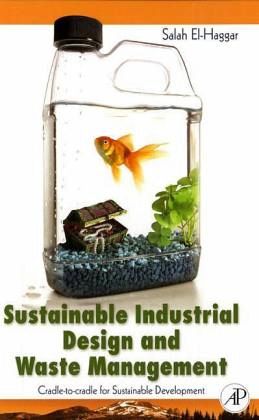
Sustainable Industrial Design and Waste Management was inspired by the need to have a text that enveloped awareness and solutions to the ongoing issues and concerns of waste generated from industry. The development of science and technology has increased human capacity to extract resources from nature and it is only recently that industries are being held accountable for the detrimental effects the waste they produce has on the environment. Increased governmental research, regulation and corporate accountability are digging up issues pertaining to pollution control and waste treatment and environmental protection.
The traditional approach for clinical waste, agricultural waste, industrial waste, and municipal waste are depleting our natural resources. The main objective of this book is to conserve the natural resources by approaching 100 % full utilization of all types of wastes by cradle - to - cradle concepts, using Industrial Ecology methodology documented with case studies. Sustainable development and environmental protection cannot be achieved without establishing the concept of industrial ecology. The main tools necessary for establishing Industrial Ecology and sustainable development will be covered in the book. The concept of "industrial ecology? will help the industrial system to be managed and operated more or less like a natural ecosystem hence causing as less damage as possible to the surrounding environment.
Artikelnr. des Verlages: B978-0-12-373623-9.X5000-X
Erscheinungstermin: Juli 2007
Englisch
Abmessung: 23mm x 152mm x 229mm
Gewicht: 777g
ISBN-13: 9780123736239
ISBN-10: 0123736234
Artikelnr.: 21750140
Herstellerkennzeichnung
Die Herstellerinformationen sind derzeit nicht verfügbar.
Autorenporträt
Dr. Haggar has more than 30 years experience in Energy and Environmental Consulting and University teaching. Dr Haggar has been a visiting professor at Washington State University and at University of Idaho, U.S.A. He is presently the professor of Energy and Environment at the American University in Cairo, Mechanical Engineering Department, Cairo, Egypt
Dr. Haggar has more than 20 Academic Honors, grants and awards. Dr. El-Haggar received the outstanding undergraduate teacher award at The American University in Cairo in 1995 as well as a number of outstanding AUC trustees awards. In addition Dr. Haggar has 120 Scientific Publications in Environmental and Energy Fields, 33 invited presentation, 42 technical report, 12 books and one chapter in two different books. Drs Haggar Environmental Consulting experience include more than 40 Environmental/Industrial Auditing for major industrial identities, 20 Compliance Action Plan, 9 Environmental Impact Assessment in addition to his extensive consulting experience in Environmental Engineering, Environmental Auditing, Environmental impact assessment, Environmental management systems, Cleaner Production, Industrial Ecology, Energy management, Hazardous and non-Hazardous Waste management, Recycling, Pollution prevention and waste minimization, zero pollution, Biogas/Solar/Wind technology, Community/Desert development, Solid and industrial waste, environmental assessment for the local government and private industries. Dr. Haggar is a member/board member in 14 national and international societies in the area of Mechanical Engineering, Environmental Engineering and community development.
Inhaltsangabe
CHAPTER 1 CURRENT PRACTICE 1.1 Introduction 1.2 Waste Management 1.3 Treatment 1.4 Incineration 1.5 Landfill 1.6 Zero pollution CHAPTER 2 CLEANER PRODUCTION 2.1 Introduction 2.2 Promoting cleaner Production 2.3 Benefits of Cleaner Production 2.4 Obstacles and Solution of Cleaner Production 2.5 Cleaner Production Techniques 2.6 Methodology for Cleaner Production Assessment 2.7 Case Studies CHAPTER 3 SUSTAINABLE DEVELOPMENT AND INDUSTRIAL ECOLOGY 3.1 Introduction 3.2 Industrial Ecology 3.3 Industrial Ecology Barriers 3.4 Industrial Ecology tools and indicators 3.5 Cradle ? To ? Cradle concept 3.6 Eco-Industrial Parks 3.7 Kalunberg Industrial farm CHAPTER 4 SUSTAINABLE DEVELOPMENT AND ENVIRONMENTAL REFORM 4.1 Introduction 4.2 Sustainable development tools and methodology 4.3 Environmental Reform Structure 4.4 Sustainable Development Proposed Framework 4.5 Summary and Conclusion CHAPTER 5MUNICIPAL SOLID WASTE 5.1 Introduction 5.2 Transfer station 5.3 Recycling of plastics 5.4 Recycling of Food waste 5.5 Recycling of rejects 5.6 Recycling of Composite material 5.7 Recycling of bones 5.8 Recycling of glass 5.9 Recycling of aluminum and tin cans 5.10 Recycling of textile CHAPTER 6 CONSTRUCTION AND DEMOLITION WASTES 6.1 Introduction 6.2 Construction Waste Management 6.3 Proposed guidelines for Construction Waste 6.4 Proposed guidelines for Demolition Waste CHAPTER 7CLINICAL SOLID WASTE 7.1 Introduction 7.2 Management of Clinical Waste 7.3 Disinfection of Clinical Wastes 7.4 Current Experience of Clinical Wastes 7.5 Cradle ? to - Cradle For Clinical Waste 7.6 Electron Beam Technology 7.7 Electron Beam for Sterilization Of Clinical Wastes CHAPTER 8AGRICULTURAL AND RURAL WASTES 8.1 Introduction 8.2 ABBC technologies 8.3 Animal fodder 8.4 Briqutting 8.5 Biogas 8.6 Composting 8.7 Integrated Complex 8.8 Environmentally balanced Rural Waste Complex; EBRWC CHAPTER 9INDUSTRIAL SOLID WASTES 9.1 Introduction 9.2 Sugarcane Industry 9.3 Metal Industry 9.4 Textile industry 9.5 Marble industry 9.6 Oil and soap Industry 9.7 Petroleum Industry 9.8 Food Industry 9.9 Cement Industry 9.10 Tourism Industry 9.11 Industrial estate
CHAPTER 1 CURRENT PRACTICE 1.1 Introduction 1.2 Waste Management 1.3 Treatment 1.4 Incineration 1.5 Landfill 1.6 Zero pollution CHAPTER 2 CLEANER PRODUCTION 2.1 Introduction 2.2 Promoting cleaner Production 2.3 Benefits of Cleaner Production 2.4 Obstacles and Solution of Cleaner Production 2.5 Cleaner Production Techniques 2.6 Methodology for Cleaner Production Assessment 2.7 Case Studies CHAPTER 3 SUSTAINABLE DEVELOPMENT AND INDUSTRIAL ECOLOGY 3.1 Introduction 3.2 Industrial Ecology 3.3 Industrial Ecology Barriers 3.4 Industrial Ecology tools and indicators 3.5 Cradle ? To ? Cradle concept 3.6 Eco-Industrial Parks 3.7 Kalunberg Industrial farm CHAPTER 4 SUSTAINABLE DEVELOPMENT AND ENVIRONMENTAL REFORM 4.1 Introduction 4.2 Sustainable development tools and methodology 4.3 Environmental Reform Structure 4.4 Sustainable Development Proposed Framework 4.5 Summary and Conclusion CHAPTER 5MUNICIPAL SOLID WASTE 5.1 Introduction 5.2 Transfer station 5.3 Recycling of plastics 5.4 Recycling of Food waste 5.5 Recycling of rejects 5.6 Recycling of Composite material 5.7 Recycling of bones 5.8 Recycling of glass 5.9 Recycling of aluminum and tin cans 5.10 Recycling of textile CHAPTER 6 CONSTRUCTION AND DEMOLITION WASTES 6.1 Introduction 6.2 Construction Waste Management 6.3 Proposed guidelines for Construction Waste 6.4 Proposed guidelines for Demolition Waste CHAPTER 7CLINICAL SOLID WASTE 7.1 Introduction 7.2 Management of Clinical Waste 7.3 Disinfection of Clinical Wastes 7.4 Current Experience of Clinical Wastes 7.5 Cradle ? to - Cradle For Clinical Waste 7.6 Electron Beam Technology 7.7 Electron Beam for Sterilization Of Clinical Wastes CHAPTER 8AGRICULTURAL AND RURAL WASTES 8.1 Introduction 8.2 ABBC technologies 8.3 Animal fodder 8.4 Briqutting 8.5 Biogas 8.6 Composting 8.7 Integrated Complex 8.8 Environmentally balanced Rural Waste Complex; EBRWC CHAPTER 9INDUSTRIAL SOLID WASTES 9.1 Introduction 9.2 Sugarcane Industry 9.3 Metal Industry 9.4 Textile industry 9.5 Marble industry 9.6 Oil and soap Industry 9.7 Petroleum Industry 9.8 Food Industry 9.9 Cement Industry 9.10 Tourism Industry 9.11 Industrial estate
Es gelten unsere Allgemeinen Geschäftsbedingungen: www.buecher.de/agb
Impressum
www.buecher.de ist ein Internetauftritt der buecher.de internetstores GmbH
Geschäftsführung: Monica Sawhney | Roland Kölbl | Günter Hilger
Sitz der Gesellschaft: Batheyer Straße 115 - 117, 58099 Hagen
Postanschrift: Bürgermeister-Wegele-Str. 12, 86167 Augsburg
Amtsgericht Hagen HRB 13257
Steuernummer: 321/5800/1497
USt-IdNr: DE450055826