- Broschiertes Buch
- Merkliste
- Auf die Merkliste
- Bewerten Bewerten
- Teilen
- Produkt teilen
- Produkterinnerung
- Produkterinnerung
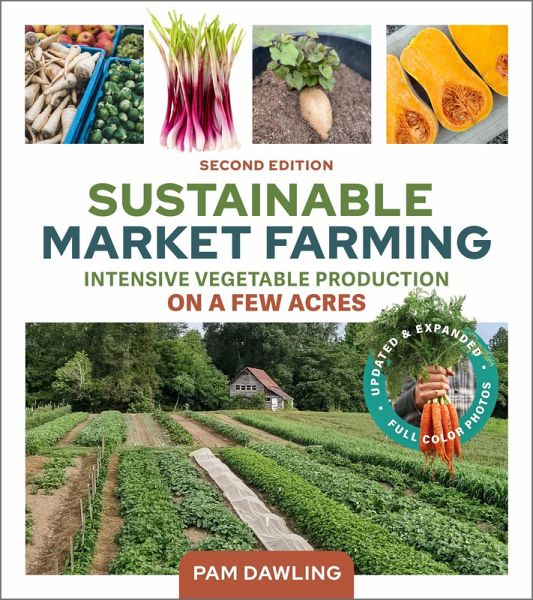
Sustainable Market Farming is the comprehensive reference for serious growers. Fully revised and updated, this new edition distills over 30 years of organic vegetable production experience into a complete practical guide covering everything from planning to harvest, including in-depth profiles of a full range of crops.
Andere Kunden interessierten sich auch für
Titia ThunThe North American Maria Thun Biodynamic Almanac12,99 €
Steve SolomonThe Intelligent Gardener23,99 €
Willoughby ArevaloDIY Mushroom Cultivation22,99 €
Zach LoeksThe Permaculture Market Garden40,99 €
Jean-Martin FortierThe Winter Market Gardener37,99 €
Steve SolomonGardening When It Counts26,99 €
Andrew MefferdPractical No-Till Farming33,99 €-
-
-
Sustainable Market Farming is the comprehensive reference for serious growers. Fully revised and updated, this new edition distills over 30 years of organic vegetable production experience into a complete practical guide covering everything from planning to harvest, including in-depth profiles of a full range of crops.
Produktdetails
- Produktdetails
- Verlag: New Society Publishers
- 2 Revised edition
- Seitenzahl: 640
- Erscheinungstermin: 15. April 2025
- Englisch
- Abmessung: 225mm x 203mm x 38mm
- Gewicht: 1244g
- ISBN-13: 9781774060018
- ISBN-10: 1774060019
- Artikelnr.: 71162926
- Herstellerkennzeichnung
- Libri GmbH
- Europaallee 1
- 36244 Bad Hersfeld
- gpsr@libri.de
- Verlag: New Society Publishers
- 2 Revised edition
- Seitenzahl: 640
- Erscheinungstermin: 15. April 2025
- Englisch
- Abmessung: 225mm x 203mm x 38mm
- Gewicht: 1244g
- ISBN-13: 9781774060018
- ISBN-10: 1774060019
- Artikelnr.: 71162926
- Herstellerkennzeichnung
- Libri GmbH
- Europaallee 1
- 36244 Bad Hersfeld
- gpsr@libri.de
Pam Dawling has been farming and training growers in sustainable vegetable production for 40 years. She is a contributing editor with Growing for Market magazine and blogs weekly at www.sustainablemarketfarming.com. Pam is the author of Sustainable Market Farming and The Year-Round Hoophouse. She lives at Twin Oaks Community in Louisa, Virginia.
Foreword by Andrew Mefferd
Acknowledgements
Introduction: Sustaining Community and Agriculture
Part I: Techniques
Planning
Chapter 1: Year-Round Production
Chapter 2: Create Your Crop Plan and Field Manual
Chapter 3: Crop Review
Chapter 4: Crop Rotations for Vegetables and Cover Crops
Chapter 5: Seed Storage, Inventory and Orders
Chapter 6: Scheduling Transplants
Chapter 7: How Much to Grow
Planting
Chapter 8: Crop Spacing
Chapter 9: Transplanting Tips
Chapter 10: Direct Sowing
Chapter 11: Hot Weather Germination of Seeds
Chapter 12: Succession Planting for Continuous Harvesting
Sustainable Crop Protection
Chapter 13: Season Extension
Chapter 14: Mulches, Organic and Plastic
Chapter 15: Cold-Hardy Winter Vegetables
Chapter 16: Growing Vegetables Year-Round in a Hoophouse
Soil and Crop Quality
Chapter 17: Maintaining Soil Fertility
Chapter 18: Drip Irrigation
Chapter 19: Cover Crops
Chapter 20: Cover Crops Chart
Chapter 21: Sustainable Disease Management
Chapter 22: Sustainable Weed Management
Chapter 23: Sustainable Pest Management
Harvest and Beyond
Chapter 24: Manual Harvesting Techniques
Chapter 25: Winter Vegetable Storage
Chapter 26: Root Cellars
Part II: Crops
Legumes
Chapter 27: Snap Beans (Bush and Pole)
Chapter 28: Southern Peas, Asparagus Beans and Limas
Chapter 29: Fava Beans (Broad Beans)
Chapter 30: Edamame
Chapter 31: Snap Peas and Snow Peas
Chapter 32: Peanuts
Brassicas
Chapter 33: Broccoli, Cabbage, Kale. Kohlrabi and Collards in Spring
Chapter 34: Broccoli, Cabbage, Kale and Collards in Fall
Chapter 35: Asian Greens
Other Greens
Chapter 36: Spinach
Chapter 37: Chard and Other Summer Greens
Chapter 38: Lettuce All Year Round
Roots
Chapter 39: Carrots, Beets and Parsnips
Chapter 40: Celery and Celeriac
Chapter 41: Radishes for All Seasons
Chapter 42: Turnips and Rutabagas
Cucurbits
Chapter 43: Summer Squash and Zucchini
Chapter 44: Winter Squash and Pumpkins
Chapter 45: Cucumbers and Muskmelons
Chapter 46: Watermelons
Alliums
Chapter 47: Garlic
Chapter 48: Bulb Onions
Chapter 49: Potato Onions
Chapter 50: Leeks
Chapter 51: Unusual Alliums
Nightshades
Chapter 52: Tomatoes
Chapter 53: Peppers
Chapter 54: Eggplant
Chapter 55: Potatoes
The Orphan Crops
Chapter 56: Okra
Chapter 57: Sweet Corn
Chapter 58: Sweet Potatoes
Chapter 59: Asparagus
Seed Crop Production
Chapter 60: Seed Growing
Chapter 61: The Business of Seed Crops by Ira Wallace
Resources
Index
About the Author

Acknowledgements
Introduction: Sustaining Community and Agriculture
Part I: Techniques
Planning
Chapter 1: Year-Round Production
Chapter 2: Create Your Crop Plan and Field Manual
Chapter 3: Crop Review
Chapter 4: Crop Rotations for Vegetables and Cover Crops
Chapter 5: Seed Storage, Inventory and Orders
Chapter 6: Scheduling Transplants
Chapter 7: How Much to Grow
Planting
Chapter 8: Crop Spacing
Chapter 9: Transplanting Tips
Chapter 10: Direct Sowing
Chapter 11: Hot Weather Germination of Seeds
Chapter 12: Succession Planting for Continuous Harvesting
Sustainable Crop Protection
Chapter 13: Season Extension
Chapter 14: Mulches, Organic and Plastic
Chapter 15: Cold-Hardy Winter Vegetables
Chapter 16: Growing Vegetables Year-Round in a Hoophouse
Soil and Crop Quality
Chapter 17: Maintaining Soil Fertility
Chapter 18: Drip Irrigation
Chapter 19: Cover Crops
Chapter 20: Cover Crops Chart
Chapter 21: Sustainable Disease Management
Chapter 22: Sustainable Weed Management
Chapter 23: Sustainable Pest Management
Harvest and Beyond
Chapter 24: Manual Harvesting Techniques
Chapter 25: Winter Vegetable Storage
Chapter 26: Root Cellars
Part II: Crops
Legumes
Chapter 27: Snap Beans (Bush and Pole)
Chapter 28: Southern Peas, Asparagus Beans and Limas
Chapter 29: Fava Beans (Broad Beans)
Chapter 30: Edamame
Chapter 31: Snap Peas and Snow Peas
Chapter 32: Peanuts
Brassicas
Chapter 33: Broccoli, Cabbage, Kale. Kohlrabi and Collards in Spring
Chapter 34: Broccoli, Cabbage, Kale and Collards in Fall
Chapter 35: Asian Greens
Other Greens
Chapter 36: Spinach
Chapter 37: Chard and Other Summer Greens
Chapter 38: Lettuce All Year Round
Roots
Chapter 39: Carrots, Beets and Parsnips
Chapter 40: Celery and Celeriac
Chapter 41: Radishes for All Seasons
Chapter 42: Turnips and Rutabagas
Cucurbits
Chapter 43: Summer Squash and Zucchini
Chapter 44: Winter Squash and Pumpkins
Chapter 45: Cucumbers and Muskmelons
Chapter 46: Watermelons
Alliums
Chapter 47: Garlic
Chapter 48: Bulb Onions
Chapter 49: Potato Onions
Chapter 50: Leeks
Chapter 51: Unusual Alliums
Nightshades
Chapter 52: Tomatoes
Chapter 53: Peppers
Chapter 54: Eggplant
Chapter 55: Potatoes
The Orphan Crops
Chapter 56: Okra
Chapter 57: Sweet Corn
Chapter 58: Sweet Potatoes
Chapter 59: Asparagus
Seed Crop Production
Chapter 60: Seed Growing
Chapter 61: The Business of Seed Crops by Ira Wallace
Resources
Index
About the Author
Foreword by Andrew Mefferd
Acknowledgements
Introduction: Sustaining Community and Agriculture
Part I: Techniques
Planning
Chapter 1: Year-Round Production
Chapter 2: Create Your Crop Plan and Field Manual
Chapter 3: Crop Review
Chapter 4: Crop Rotations for Vegetables and Cover Crops
Chapter 5: Seed Storage, Inventory and Orders
Chapter 6: Scheduling Transplants
Chapter 7: How Much to Grow
Planting
Chapter 8: Crop Spacing
Chapter 9: Transplanting Tips
Chapter 10: Direct Sowing
Chapter 11: Hot Weather Germination of Seeds
Chapter 12: Succession Planting for Continuous Harvesting
Sustainable Crop Protection
Chapter 13: Season Extension
Chapter 14: Mulches, Organic and Plastic
Chapter 15: Cold-Hardy Winter Vegetables
Chapter 16: Growing Vegetables Year-Round in a Hoophouse
Soil and Crop Quality
Chapter 17: Maintaining Soil Fertility
Chapter 18: Drip Irrigation
Chapter 19: Cover Crops
Chapter 20: Cover Crops Chart
Chapter 21: Sustainable Disease Management
Chapter 22: Sustainable Weed Management
Chapter 23: Sustainable Pest Management
Harvest and Beyond
Chapter 24: Manual Harvesting Techniques
Chapter 25: Winter Vegetable Storage
Chapter 26: Root Cellars
Part II: Crops
Legumes
Chapter 27: Snap Beans (Bush and Pole)
Chapter 28: Southern Peas, Asparagus Beans and Limas
Chapter 29: Fava Beans (Broad Beans)
Chapter 30: Edamame
Chapter 31: Snap Peas and Snow Peas
Chapter 32: Peanuts
Brassicas
Chapter 33: Broccoli, Cabbage, Kale. Kohlrabi and Collards in Spring
Chapter 34: Broccoli, Cabbage, Kale and Collards in Fall
Chapter 35: Asian Greens
Other Greens
Chapter 36: Spinach
Chapter 37: Chard and Other Summer Greens
Chapter 38: Lettuce All Year Round
Roots
Chapter 39: Carrots, Beets and Parsnips
Chapter 40: Celery and Celeriac
Chapter 41: Radishes for All Seasons
Chapter 42: Turnips and Rutabagas
Cucurbits
Chapter 43: Summer Squash and Zucchini
Chapter 44: Winter Squash and Pumpkins
Chapter 45: Cucumbers and Muskmelons
Chapter 46: Watermelons
Alliums
Chapter 47: Garlic
Chapter 48: Bulb Onions
Chapter 49: Potato Onions
Chapter 50: Leeks
Chapter 51: Unusual Alliums
Nightshades
Chapter 52: Tomatoes
Chapter 53: Peppers
Chapter 54: Eggplant
Chapter 55: Potatoes
The Orphan Crops
Chapter 56: Okra
Chapter 57: Sweet Corn
Chapter 58: Sweet Potatoes
Chapter 59: Asparagus
Seed Crop Production
Chapter 60: Seed Growing
Chapter 61: The Business of Seed Crops by Ira Wallace
Resources
Index
About the Author

Acknowledgements
Introduction: Sustaining Community and Agriculture
Part I: Techniques
Planning
Chapter 1: Year-Round Production
Chapter 2: Create Your Crop Plan and Field Manual
Chapter 3: Crop Review
Chapter 4: Crop Rotations for Vegetables and Cover Crops
Chapter 5: Seed Storage, Inventory and Orders
Chapter 6: Scheduling Transplants
Chapter 7: How Much to Grow
Planting
Chapter 8: Crop Spacing
Chapter 9: Transplanting Tips
Chapter 10: Direct Sowing
Chapter 11: Hot Weather Germination of Seeds
Chapter 12: Succession Planting for Continuous Harvesting
Sustainable Crop Protection
Chapter 13: Season Extension
Chapter 14: Mulches, Organic and Plastic
Chapter 15: Cold-Hardy Winter Vegetables
Chapter 16: Growing Vegetables Year-Round in a Hoophouse
Soil and Crop Quality
Chapter 17: Maintaining Soil Fertility
Chapter 18: Drip Irrigation
Chapter 19: Cover Crops
Chapter 20: Cover Crops Chart
Chapter 21: Sustainable Disease Management
Chapter 22: Sustainable Weed Management
Chapter 23: Sustainable Pest Management
Harvest and Beyond
Chapter 24: Manual Harvesting Techniques
Chapter 25: Winter Vegetable Storage
Chapter 26: Root Cellars
Part II: Crops
Legumes
Chapter 27: Snap Beans (Bush and Pole)
Chapter 28: Southern Peas, Asparagus Beans and Limas
Chapter 29: Fava Beans (Broad Beans)
Chapter 30: Edamame
Chapter 31: Snap Peas and Snow Peas
Chapter 32: Peanuts
Brassicas
Chapter 33: Broccoli, Cabbage, Kale. Kohlrabi and Collards in Spring
Chapter 34: Broccoli, Cabbage, Kale and Collards in Fall
Chapter 35: Asian Greens
Other Greens
Chapter 36: Spinach
Chapter 37: Chard and Other Summer Greens
Chapter 38: Lettuce All Year Round
Roots
Chapter 39: Carrots, Beets and Parsnips
Chapter 40: Celery and Celeriac
Chapter 41: Radishes for All Seasons
Chapter 42: Turnips and Rutabagas
Cucurbits
Chapter 43: Summer Squash and Zucchini
Chapter 44: Winter Squash and Pumpkins
Chapter 45: Cucumbers and Muskmelons
Chapter 46: Watermelons
Alliums
Chapter 47: Garlic
Chapter 48: Bulb Onions
Chapter 49: Potato Onions
Chapter 50: Leeks
Chapter 51: Unusual Alliums
Nightshades
Chapter 52: Tomatoes
Chapter 53: Peppers
Chapter 54: Eggplant
Chapter 55: Potatoes
The Orphan Crops
Chapter 56: Okra
Chapter 57: Sweet Corn
Chapter 58: Sweet Potatoes
Chapter 59: Asparagus
Seed Crop Production
Chapter 60: Seed Growing
Chapter 61: The Business of Seed Crops by Ira Wallace
Resources
Index
About the Author