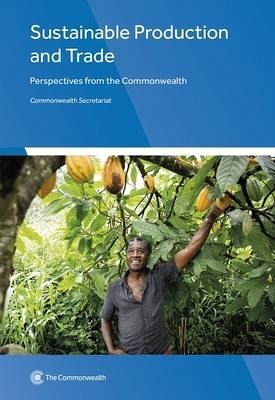
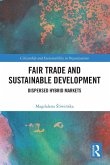
Analyses sustainable production and trade practices in the cocoa, fisheries, forestry, and textiles and garments sectors. The book sheds light on the sustainable practices and governance arrangements employed by Commonwealth countries, the private sector and other organisations, while also highlighting the challenges they face.
Analyses sustainable production and trade practices in the cocoa, fisheries, forestry, and textiles and garments sectors. The book sheds light on the sustainable practices and governance arrangements employed by Commonwealth countries, the private sector and other organisations, while also highlighting the challenges they face.
1. 1 Introduction 2. 2 Examining Sustainability Provisions in Commonwealth Free Trade Agreements 3. 2.1 Introduction 4. 2.2 Sustainable trade and development 5. 2.3 Sustainability in Commonwealth countries' trade policies 6. 2.4 Sustainability in trade: existing coverage and best practices 7. 2.5 Voluntary sustainability standards 8. 2.6 Conclusion and policy recommendations 9. Annex 2.1 Selected FTAs between Commonwealth members by typeof agreement 10. Annex 2.2 Sustainability coverage in selected FTAs with at least oneCommonwealth member country, 2010–2022 11. Annex 2.3 Methodology for the analysis of voluntary sustainability standards 12. 3 Fisheries 13. 3.1 Introduction 14. 3.2 Overview of the fisheries sector in Commonwealth countries 15. 3.3 The economic dimensions of fisheries sustainability 16. 3.4 The social sustainability dimension 17. 3.5 The environmental sustainability dimension 18. 3.6 Promoting sustainable fisheries in the Commonwealth 19. 3.7 Conclusion 20. Annex 3.1 Protected marine area of Commonwealth countries 21. Annex 3.2 Dependence on fish exports (US$ million) 22. Annex 3.3 Commonwealth countries' fisheries stocks in 1995 and 2018 23. 4 Forestry 24. 4.1 Introduction 25. 4.2 The Commonwealth's forest coverage and wealth 26. 4.3 The Commonwealth's trade in timber and wood products 27. 4.4 Economic sustainability in the forestry sector 28. 4.5 Environmental sustainability in the forestry sector 29. 4.6 Social sustainability in the forestry sector 30. 4.7 Governance arrangements for sustainable forestry production and trade 31. 4.8 Conclusion 32. Annex 4.1 Forest area of Commonwealth countries 33. 5 Cocoa 34. 5.1 Introduction 35. 5.2 Cocoa production globally and in the Commonwealth 36. 5.3 The Commonwealth's trade in cocoa 37. 5.4 Towards sustainable production and trade practices in the cocoa sector 38. 5.5 Measures supporting cocoa sustainability 39. 5.6 Conclusion 40. 6 Textiles and Garments 41. 6.1 Introduction 42. 6.2 Supporting economic growth and transformation 43. 6.3 Social dimensions of sustainability in the textile and garment industries 44. 6.4 Environmental sustainability in the textile and garment industries 45. 6.5 Conclusion 46. 7 Conclusions: Common Challenges, Possible Solutions and Way Forward 47. 7.1 Common sustainability issues faced in the four sectors 48. 7.2 Promoting sustainability 49. 7.3 The way forward
1. 1 Introduction 2. 2 Examining Sustainability Provisions in Commonwealth Free Trade Agreements 3. 2.1 Introduction 4. 2.2 Sustainable trade and development 5. 2.3 Sustainability in Commonwealth countries' trade policies 6. 2.4 Sustainability in trade: existing coverage and best practices 7. 2.5 Voluntary sustainability standards 8. 2.6 Conclusion and policy recommendations 9. Annex 2.1 Selected FTAs between Commonwealth members by typeof agreement 10. Annex 2.2 Sustainability coverage in selected FTAs with at least oneCommonwealth member country, 2010–2022 11. Annex 2.3 Methodology for the analysis of voluntary sustainability standards 12. 3 Fisheries 13. 3.1 Introduction 14. 3.2 Overview of the fisheries sector in Commonwealth countries 15. 3.3 The economic dimensions of fisheries sustainability 16. 3.4 The social sustainability dimension 17. 3.5 The environmental sustainability dimension 18. 3.6 Promoting sustainable fisheries in the Commonwealth 19. 3.7 Conclusion 20. Annex 3.1 Protected marine area of Commonwealth countries 21. Annex 3.2 Dependence on fish exports (US$ million) 22. Annex 3.3 Commonwealth countries' fisheries stocks in 1995 and 2018 23. 4 Forestry 24. 4.1 Introduction 25. 4.2 The Commonwealth's forest coverage and wealth 26. 4.3 The Commonwealth's trade in timber and wood products 27. 4.4 Economic sustainability in the forestry sector 28. 4.5 Environmental sustainability in the forestry sector 29. 4.6 Social sustainability in the forestry sector 30. 4.7 Governance arrangements for sustainable forestry production and trade 31. 4.8 Conclusion 32. Annex 4.1 Forest area of Commonwealth countries 33. 5 Cocoa 34. 5.1 Introduction 35. 5.2 Cocoa production globally and in the Commonwealth 36. 5.3 The Commonwealth's trade in cocoa 37. 5.4 Towards sustainable production and trade practices in the cocoa sector 38. 5.5 Measures supporting cocoa sustainability 39. 5.6 Conclusion 40. 6 Textiles and Garments 41. 6.1 Introduction 42. 6.2 Supporting economic growth and transformation 43. 6.3 Social dimensions of sustainability in the textile and garment industries 44. 6.4 Environmental sustainability in the textile and garment industries 45. 6.5 Conclusion 46. 7 Conclusions: Common Challenges, Possible Solutions and Way Forward 47. 7.1 Common sustainability issues faced in the four sectors 48. 7.2 Promoting sustainability 49. 7.3 The way forward
Es gelten unsere Allgemeinen Geschäftsbedingungen: www.buecher.de/agb
Impressum
www.buecher.de ist ein Internetauftritt der buecher.de internetstores GmbH
Geschäftsführung: Monica Sawhney | Roland Kölbl | Günter Hilger
Sitz der Gesellschaft: Batheyer Straße 115 - 117, 58099 Hagen
Postanschrift: Bürgermeister-Wegele-Str. 12, 86167 Augsburg
Amtsgericht Hagen HRB 13257
Steuernummer: 321/5800/1497
USt-IdNr: DE450055826