
Andere Kunden interessierten sich auch für
 Symbols Of Christendom22,99 €
 Symbols of the Holy Spirit Study Guide12,99 €
 Legends of the Holy Rood, Symbols of the Passion and Cross, Poems in Old English of the Eleventh, Fourteenth and Fifteenth Centuries33,99 €
 Symbols of the Sacred23,99 €
 Shadows And Symbols14,99 €
 The Meaning of Sacramental Symbols21,99 €
 A Handbook of Christian Symbols and Stories of the Saints As Illustrated in Art37,99 €


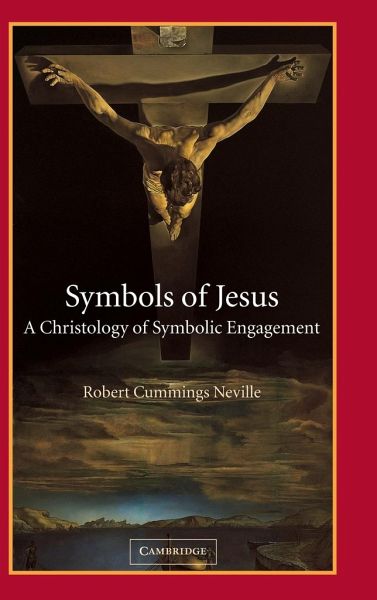
This is a systematic theology focusing on what makes Jesus important in Christianity. It studies six families of symbols about Jesus, showing how they are true for some people, not true for others, and not meaningful for a third group. Divine creation is analysed in metaphysical and symbolic terms, and religious symbolism is shown to be wholly compatible with a late-modern scientific world view. Robert Cummings Neville, a leading philosophical theologian, presents and illustrates an elaborate theory of religious symbols according to which God is directly engaged in symbolically shaped thinking and practice. Symbols are not distancing substitutes for God. Theology of symbolic engagement is defended as an alternative to doctrinal or descriptive theology. This major work re-shapes the way we think about Jesus, and will be of value to students, academics, clergy with theological training, and others grappling with the meaning and importance of religious symbols in our age.