
Andere Kunden interessierten sich auch für
 The Women's Courtyard19,99 €
 Big Sur16,99 €
 The Financier23,99 €
 Resurrection19,99 €
 Sanshiro13,99 €
 Chess6,49 €
 Rashomon and Seventeen Other Stories16,99 €






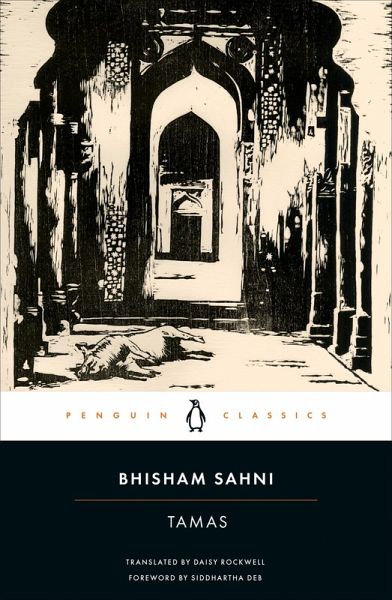
A poignant and politically charged novel about the 1947 Partition, translated by Booker Prize-winning translator Daisy Rockwell Tamas, Bhisham Sahni's 1973 novel, is a product of the Partition's devastation. It drew immediate and universal critical acclaim for its poignant and striking retelling of Partition and its bloody aftermath. Tamas is a story about how simmering communal tensions snowball into full-fledged riots that grip villages across the subcontinent. In a city in undivided Punjab, Nathu, a tanner, is bribed to kill a pig. When the animal's carcass is discovered on the steps of the local mosque the next morning, brewing tensions explode into riots and massacre. A seemingly well planned and executed job by the British plants seeds of mistrust and hatred among those who, until the day before, had been close friends and neighbours. Tamas is a chilling reminder of the consequences of religious intolerance and communal prejudice.