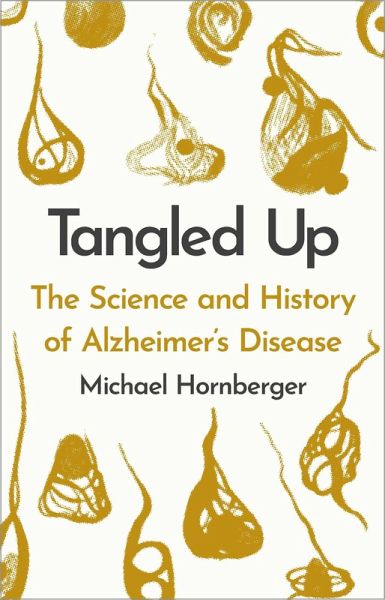
The only guide for the public to the science and history of Alzheimerâ s disease. This book can help you if you fear that you have Alzheimerâ s disease or if a friend or family member has Alzheimerâ s disease.
The only guide for the public to the science and history of Alzheimerâ s disease. This book can help you if you fear that you have Alzheimerâ s disease or if a friend or family member has Alzheimerâ s disease.
TABLE OF CONTENTS Prologue Part I – Alois & Auguste (and a bit of Oskar) Chapter 1 – Dr Hoffmann’s vision Chapter 2 – Mrs Deter Chapter 3 – Alois Alzheimer Chapter 4 – Munich via Heidelberg Chapter 5 – 1906 Chapter 6 – The Tübingen aftermath Chapter 7 – Fischer’s disease Chapter 8 – Alzheimer’s legacy Part I – Summary Part II – Memory and Space Chapter 9 – ‘You are not my type’ Chapter 10 – The art of memory Chapter 11 – ‘Secret’ memory techniques Chapter 12 – ‘Attention!’ Chapter 13 – ‘Enter the seahorse’ Chapter 14 – Encoding, storage, retrieval Chapter 15 – ‘It’s all about access’ Chapter 16 – The imaginary Mrs A Chapter 17 – Spatial Disorientation Chapter 18 – ‘Lost in space’ Part II – Summary Part III – Amyloid and Tau Chapter 19 – Glorious proteins Chapter 20 – Amyloid Chapter 21 – Beta-amyloid formation Chapter 22 – ‘Location, location, location… and timing’ Chapter 23 – Tau Chapter 24 – ‘Who ordered all the phosphate?’ Chapter 25 – Tau ‘infection’ Chapter 26 – Amyloid versus Tau Chapter 27 – The ‘emergence’ of the disease Chapter 28 – Biomarker technology Chapter 29 – Amyloid treatment approaches Decreasing beta-amyloid production Prevention of beta-amyloid accumulation Increase of beta-amyloid removal Chapter 30 – Tau treatment approaches Decrease of overall tau Decrease of tau phosphorylation Decrease phosphorylated tau accumulation Increase phosphorylated tau removal Chapter 31 – Why have drug trials failed so far? Phase I Phase II Phase III Part III – Summary Part IV – Genetics and lifestyle Chapter 32 – Genetics 101 Chapter 33 – Familial Alzheimer’s disease APP PSEN MAPT Chapter 34 – ‘Modifiable’ risk genes APOE TREM2 Chapter 35 – A word on genetic testing Chapter 36 – Non-modifiable lifestyle factors Age Education Hearing loss Chapter 37 – Modifiable lifestyle factors Diabetes, hypertension and obesity Physical activity Diet and nutrition Sleep Other modifiable lifestyle risk factors Part IV – Summary Part V – Rarer forms of Alzheimer’s disease Chapter 38 – Frontal variant Alzheimer’s disease Chapter 39 – Posterior Cortical Atrophy Chapter 40 – Logopenic variant primary progressive aphasia Chapter 41 – Corticobasal syndrome Chapter 42 – A final word on the rarer forms of Alzheimer’s disease Part V – Summary Epilogue Further country-specific links (English language) Index
TABLE OF CONTENTS Prologue Part I – Alois & Auguste (and a bit of Oskar) Chapter 1 – Dr Hoffmann’s vision Chapter 2 – Mrs Deter Chapter 3 – Alois Alzheimer Chapter 4 – Munich via Heidelberg Chapter 5 – 1906 Chapter 6 – The Tübingen aftermath Chapter 7 – Fischer’s disease Chapter 8 – Alzheimer’s legacy Part I – Summary Part II – Memory and Space Chapter 9 – ‘You are not my type’ Chapter 10 – The art of memory Chapter 11 – ‘Secret’ memory techniques Chapter 12 – ‘Attention!’ Chapter 13 – ‘Enter the seahorse’ Chapter 14 – Encoding, storage, retrieval Chapter 15 – ‘It’s all about access’ Chapter 16 – The imaginary Mrs A Chapter 17 – Spatial Disorientation Chapter 18 – ‘Lost in space’ Part II – Summary Part III – Amyloid and Tau Chapter 19 – Glorious proteins Chapter 20 – Amyloid Chapter 21 – Beta-amyloid formation Chapter 22 – ‘Location, location, location… and timing’ Chapter 23 – Tau Chapter 24 – ‘Who ordered all the phosphate?’ Chapter 25 – Tau ‘infection’ Chapter 26 – Amyloid versus Tau Chapter 27 – The ‘emergence’ of the disease Chapter 28 – Biomarker technology Chapter 29 – Amyloid treatment approaches Decreasing beta-amyloid production Prevention of beta-amyloid accumulation Increase of beta-amyloid removal Chapter 30 – Tau treatment approaches Decrease of overall tau Decrease of tau phosphorylation Decrease phosphorylated tau accumulation Increase phosphorylated tau removal Chapter 31 – Why have drug trials failed so far? Phase I Phase II Phase III Part III – Summary Part IV – Genetics and lifestyle Chapter 32 – Genetics 101 Chapter 33 – Familial Alzheimer’s disease APP PSEN MAPT Chapter 34 – ‘Modifiable’ risk genes APOE TREM2 Chapter 35 – A word on genetic testing Chapter 36 – Non-modifiable lifestyle factors Age Education Hearing loss Chapter 37 – Modifiable lifestyle factors Diabetes, hypertension and obesity Physical activity Diet and nutrition Sleep Other modifiable lifestyle risk factors Part IV – Summary Part V – Rarer forms of Alzheimer’s disease Chapter 38 – Frontal variant Alzheimer’s disease Chapter 39 – Posterior Cortical Atrophy Chapter 40 – Logopenic variant primary progressive aphasia Chapter 41 – Corticobasal syndrome Chapter 42 – A final word on the rarer forms of Alzheimer’s disease Part V – Summary Epilogue Further country-specific links (English language) Index
Es gelten unsere Allgemeinen Geschäftsbedingungen: www.buecher.de/agb
Impressum
www.buecher.de ist ein Internetauftritt der buecher.de internetstores GmbH
Geschäftsführung: Monica Sawhney | Roland Kölbl | Günter Hilger
Sitz der Gesellschaft: Batheyer Straße 115 - 117, 58099 Hagen
Postanschrift: Bürgermeister-Wegele-Str. 12, 86167 Augsburg
Amtsgericht Hagen HRB 13257
Steuernummer: 321/5800/1497
USt-IdNr: DE450055826