
- Broschiertes Buch
- Merkliste
- Auf die Merkliste
- Bewerten Bewerten
- Teilen
- Produkt teilen
- Produkterinnerung
- Produkterinnerung
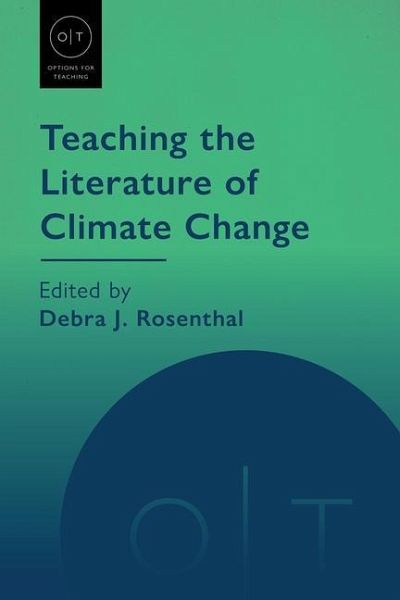
Essays on teaching the global climate crisis through cli-fi. Emphasizing the importance of interdisciplinarity, this volume embraces literature as a means to cultivate studentsâ understanding of the ongoing climate crisis, ethics in times of disaster, and the intrinsic intersectionality of environmental issues.
Andere Kunden interessierten sich auch für
 Julia V. DouthwaiteTeaching Representations of the French Revolution40,99 €
 Janine UtellTeaching Modernist Women's Writing in English40,99 €
 Deepika BahriTeaching Anglophone South Asian Women Writers40,99 €
 Thomas BerryThe Dream of the Earth22,99 €
 John MillerTeaching Literature in the Online Classroom48,99 €
 Nalini IyerTeaching South Asian Anglophone Diasporic Literature48,99 €
 Zhuoyi WangTeaching Film from the People's Republic of China48,99 €
-
-
-


Essays on teaching the global climate crisis through cli-fi. Emphasizing the importance of interdisciplinarity, this volume embraces literature as a means to cultivate studentsâ understanding of the ongoing climate crisis, ethics in times of disaster, and the intrinsic intersectionality of environmental issues.
Produktdetails
- Produktdetails
- Options for Teaching
- Verlag: Modern Language Association of America
- Seitenzahl: 344
- Erscheinungstermin: 26. April 2024
- Englisch
- Abmessung: 227mm x 149mm x 23mm
- Gewicht: 500g
- ISBN-13: 9781603296359
- ISBN-10: 1603296352
- Artikelnr.: 68464138
- Herstellerkennzeichnung
- Libri GmbH
- Europaallee 1
- 36244 Bad Hersfeld
- gpsr@libri.de
- Options for Teaching
- Verlag: Modern Language Association of America
- Seitenzahl: 344
- Erscheinungstermin: 26. April 2024
- Englisch
- Abmessung: 227mm x 149mm x 23mm
- Gewicht: 500g
- ISBN-13: 9781603296359
- ISBN-10: 1603296352
- Artikelnr.: 68464138
- Herstellerkennzeichnung
- Libri GmbH
- Europaallee 1
- 36244 Bad Hersfeld
- gpsr@libri.de
* Introduction, by Debra J. Rosenthal
* Part I: Principles
* Climate Justice and the Literary Imagination, by Stef Craps
* Engaging Students and Global Weirding, by Andrew Hageman
* Toward a Critical Environmental Justice Pedagogy, by April Anson
* Changing Student Perceptions through Climate Literature, by Ted
Martinez
* Cli-Fi and Cultivating Cultural Agency, by Stephen Siperstein
* Climate Change Stories: Living and Dying in the Anthropocene, by Jo
Alyson Parker
* The Anthropocene as a Global Coming-of-Age Story: A Pedagogy in
Transition, by Sofia Ahlberg
* Apprehending Climate Change through Fiction and Film, by Matt
Burkhart
* Part II: Locations
* Sea-Level Rise, Low-Lying Islands, and Caribbean Lit er a ture, by
Christina Gerhardt
* Decolonizing Climate Knowledge: Kathy Jetn̄il-Kijiner's Poetry, by
Clare Echterling
* Sounding the Alarm of Climate Change in Caribbean Literature: Mayra
Montero's In the Palm of Darkness, by Mary Ann Gosser-Esquilín
* The Polymedial Aesthetics of Climate Change Drama, by Nassim W.
Balestrini
* Climate Change Narratives, Publics, and the Professional-Managerial
Class, by Parker Krieg
* Words in the World: The Work of an Environmental Literature Course in
a Coastal Florida City, by Thomas Hallock
* Part III: Texts
* Attention, Connection, Dialogue: Teaching Barbara Kingsolver's
Flight Behavior in the Climate Fiction Classroom, by Magdalena
Mączyńska
* Contemporary US Climate Fiction, by Teresa A. Goddu
* Margaret Atwood's Oryx and Crake and The Year of the Flood as Cli-Fi,
by Robert P. Marzec
* Cli-Nofi: Reading and Writing Creative Climate Nonfiction in a Prison
Classroom, by Jason de Lara Molesky
* Genres of Deep Time: Virginia Woolf's Orlando and the Orbis
Hypothesis, by Aaron Rosenberg
* Part IV: Courses and Interdisciplinarity
* It's the End of the World As We Know It: Utilizing
Interdisciplinarity to Teach Anthropocene Literature, by Hannah
Kroonblawd
* "It Will Take Years for the Picture to Emerge": Interdisciplinarity,
Intermedia Strategies, and Climate Narratives, by Patrick Whitmarsh
* Reading the Weather: Teaching the Literature of Climate Change at a
Polytechnic University, by Cynthia Schoolar Williams
* Imagining Just Futures: Teaching the Literature of Climate Change as
Social Responsibility, by Ali Brox
* Cli-Fi Linked to a Climate Science Course, by Debra J. Rosenthal and
Jeffrey Johansen
* Climate Fiction and the Global South, by Ben Jamieson Stanley and
Emily S. Davis
* Part V: Assignments
* Tuning In to Climate Change: Podcasts in the Classroom, by Orchid
Tierney
* The Literature of Climate Change and Information Literacy
Instruction, by Melissa Anderson
* Noticing, Time, and Angling: A Climate Change Syllabus, by Barbara
Leckie
* Possible Futures in a Warming World: Teaching Climate Models and
Other Climate Fictions, by Tobias Menely
* Part VI: Hopefulness and Beyond
* Finding Hope in Climate Literature: Solastalgia, Twilight Knowing,
and Unintended Consequences, by Kathryn Prince
* Ruin, Rebellion, Remaking: Environmental Justice in the Literature of
Climate Change, by Brianna R. Burke
* Now What? Moving Past Climate Change Anxiety in an Interdisciplinary
Community College Classroom, by Ria Banerjee
* Creative Responses to Climate Doom: Lessons from the Void, by Rick
Van Noy
* Stories from Our Future: Beyond the Binary of Climate Hope and Grief,
by Jennifer Atkinson
* Afterword: The Urgency of Slow Teaching, by Sarah Jaquette Ray
* Notes on Contributors
* Part I: Principles
* Climate Justice and the Literary Imagination, by Stef Craps
* Engaging Students and Global Weirding, by Andrew Hageman
* Toward a Critical Environmental Justice Pedagogy, by April Anson
* Changing Student Perceptions through Climate Literature, by Ted
Martinez
* Cli-Fi and Cultivating Cultural Agency, by Stephen Siperstein
* Climate Change Stories: Living and Dying in the Anthropocene, by Jo
Alyson Parker
* The Anthropocene as a Global Coming-of-Age Story: A Pedagogy in
Transition, by Sofia Ahlberg
* Apprehending Climate Change through Fiction and Film, by Matt
Burkhart
* Part II: Locations
* Sea-Level Rise, Low-Lying Islands, and Caribbean Lit er a ture, by
Christina Gerhardt
* Decolonizing Climate Knowledge: Kathy Jetn̄il-Kijiner's Poetry, by
Clare Echterling
* Sounding the Alarm of Climate Change in Caribbean Literature: Mayra
Montero's In the Palm of Darkness, by Mary Ann Gosser-Esquilín
* The Polymedial Aesthetics of Climate Change Drama, by Nassim W.
Balestrini
* Climate Change Narratives, Publics, and the Professional-Managerial
Class, by Parker Krieg
* Words in the World: The Work of an Environmental Literature Course in
a Coastal Florida City, by Thomas Hallock
* Part III: Texts
* Attention, Connection, Dialogue: Teaching Barbara Kingsolver's
Flight Behavior in the Climate Fiction Classroom, by Magdalena
Mączyńska
* Contemporary US Climate Fiction, by Teresa A. Goddu
* Margaret Atwood's Oryx and Crake and The Year of the Flood as Cli-Fi,
by Robert P. Marzec
* Cli-Nofi: Reading and Writing Creative Climate Nonfiction in a Prison
Classroom, by Jason de Lara Molesky
* Genres of Deep Time: Virginia Woolf's Orlando and the Orbis
Hypothesis, by Aaron Rosenberg
* Part IV: Courses and Interdisciplinarity
* It's the End of the World As We Know It: Utilizing
Interdisciplinarity to Teach Anthropocene Literature, by Hannah
Kroonblawd
* "It Will Take Years for the Picture to Emerge": Interdisciplinarity,
Intermedia Strategies, and Climate Narratives, by Patrick Whitmarsh
* Reading the Weather: Teaching the Literature of Climate Change at a
Polytechnic University, by Cynthia Schoolar Williams
* Imagining Just Futures: Teaching the Literature of Climate Change as
Social Responsibility, by Ali Brox
* Cli-Fi Linked to a Climate Science Course, by Debra J. Rosenthal and
Jeffrey Johansen
* Climate Fiction and the Global South, by Ben Jamieson Stanley and
Emily S. Davis
* Part V: Assignments
* Tuning In to Climate Change: Podcasts in the Classroom, by Orchid
Tierney
* The Literature of Climate Change and Information Literacy
Instruction, by Melissa Anderson
* Noticing, Time, and Angling: A Climate Change Syllabus, by Barbara
Leckie
* Possible Futures in a Warming World: Teaching Climate Models and
Other Climate Fictions, by Tobias Menely
* Part VI: Hopefulness and Beyond
* Finding Hope in Climate Literature: Solastalgia, Twilight Knowing,
and Unintended Consequences, by Kathryn Prince
* Ruin, Rebellion, Remaking: Environmental Justice in the Literature of
Climate Change, by Brianna R. Burke
* Now What? Moving Past Climate Change Anxiety in an Interdisciplinary
Community College Classroom, by Ria Banerjee
* Creative Responses to Climate Doom: Lessons from the Void, by Rick
Van Noy
* Stories from Our Future: Beyond the Binary of Climate Hope and Grief,
by Jennifer Atkinson
* Afterword: The Urgency of Slow Teaching, by Sarah Jaquette Ray
* Notes on Contributors
* Introduction, by Debra J. Rosenthal
* Part I: Principles
* Climate Justice and the Literary Imagination, by Stef Craps
* Engaging Students and Global Weirding, by Andrew Hageman
* Toward a Critical Environmental Justice Pedagogy, by April Anson
* Changing Student Perceptions through Climate Literature, by Ted
Martinez
* Cli-Fi and Cultivating Cultural Agency, by Stephen Siperstein
* Climate Change Stories: Living and Dying in the Anthropocene, by Jo
Alyson Parker
* The Anthropocene as a Global Coming-of-Age Story: A Pedagogy in
Transition, by Sofia Ahlberg
* Apprehending Climate Change through Fiction and Film, by Matt
Burkhart
* Part II: Locations
* Sea-Level Rise, Low-Lying Islands, and Caribbean Lit er a ture, by
Christina Gerhardt
* Decolonizing Climate Knowledge: Kathy Jetn̄il-Kijiner's Poetry, by
Clare Echterling
* Sounding the Alarm of Climate Change in Caribbean Literature: Mayra
Montero's In the Palm of Darkness, by Mary Ann Gosser-Esquilín
* The Polymedial Aesthetics of Climate Change Drama, by Nassim W.
Balestrini
* Climate Change Narratives, Publics, and the Professional-Managerial
Class, by Parker Krieg
* Words in the World: The Work of an Environmental Literature Course in
a Coastal Florida City, by Thomas Hallock
* Part III: Texts
* Attention, Connection, Dialogue: Teaching Barbara Kingsolver's
Flight Behavior in the Climate Fiction Classroom, by Magdalena
Mączyńska
* Contemporary US Climate Fiction, by Teresa A. Goddu
* Margaret Atwood's Oryx and Crake and The Year of the Flood as Cli-Fi,
by Robert P. Marzec
* Cli-Nofi: Reading and Writing Creative Climate Nonfiction in a Prison
Classroom, by Jason de Lara Molesky
* Genres of Deep Time: Virginia Woolf's Orlando and the Orbis
Hypothesis, by Aaron Rosenberg
* Part IV: Courses and Interdisciplinarity
* It's the End of the World As We Know It: Utilizing
Interdisciplinarity to Teach Anthropocene Literature, by Hannah
Kroonblawd
* "It Will Take Years for the Picture to Emerge": Interdisciplinarity,
Intermedia Strategies, and Climate Narratives, by Patrick Whitmarsh
* Reading the Weather: Teaching the Literature of Climate Change at a
Polytechnic University, by Cynthia Schoolar Williams
* Imagining Just Futures: Teaching the Literature of Climate Change as
Social Responsibility, by Ali Brox
* Cli-Fi Linked to a Climate Science Course, by Debra J. Rosenthal and
Jeffrey Johansen
* Climate Fiction and the Global South, by Ben Jamieson Stanley and
Emily S. Davis
* Part V: Assignments
* Tuning In to Climate Change: Podcasts in the Classroom, by Orchid
Tierney
* The Literature of Climate Change and Information Literacy
Instruction, by Melissa Anderson
* Noticing, Time, and Angling: A Climate Change Syllabus, by Barbara
Leckie
* Possible Futures in a Warming World: Teaching Climate Models and
Other Climate Fictions, by Tobias Menely
* Part VI: Hopefulness and Beyond
* Finding Hope in Climate Literature: Solastalgia, Twilight Knowing,
and Unintended Consequences, by Kathryn Prince
* Ruin, Rebellion, Remaking: Environmental Justice in the Literature of
Climate Change, by Brianna R. Burke
* Now What? Moving Past Climate Change Anxiety in an Interdisciplinary
Community College Classroom, by Ria Banerjee
* Creative Responses to Climate Doom: Lessons from the Void, by Rick
Van Noy
* Stories from Our Future: Beyond the Binary of Climate Hope and Grief,
by Jennifer Atkinson
* Afterword: The Urgency of Slow Teaching, by Sarah Jaquette Ray
* Notes on Contributors
* Part I: Principles
* Climate Justice and the Literary Imagination, by Stef Craps
* Engaging Students and Global Weirding, by Andrew Hageman
* Toward a Critical Environmental Justice Pedagogy, by April Anson
* Changing Student Perceptions through Climate Literature, by Ted
Martinez
* Cli-Fi and Cultivating Cultural Agency, by Stephen Siperstein
* Climate Change Stories: Living and Dying in the Anthropocene, by Jo
Alyson Parker
* The Anthropocene as a Global Coming-of-Age Story: A Pedagogy in
Transition, by Sofia Ahlberg
* Apprehending Climate Change through Fiction and Film, by Matt
Burkhart
* Part II: Locations
* Sea-Level Rise, Low-Lying Islands, and Caribbean Lit er a ture, by
Christina Gerhardt
* Decolonizing Climate Knowledge: Kathy Jetn̄il-Kijiner's Poetry, by
Clare Echterling
* Sounding the Alarm of Climate Change in Caribbean Literature: Mayra
Montero's In the Palm of Darkness, by Mary Ann Gosser-Esquilín
* The Polymedial Aesthetics of Climate Change Drama, by Nassim W.
Balestrini
* Climate Change Narratives, Publics, and the Professional-Managerial
Class, by Parker Krieg
* Words in the World: The Work of an Environmental Literature Course in
a Coastal Florida City, by Thomas Hallock
* Part III: Texts
* Attention, Connection, Dialogue: Teaching Barbara Kingsolver's
Flight Behavior in the Climate Fiction Classroom, by Magdalena
Mączyńska
* Contemporary US Climate Fiction, by Teresa A. Goddu
* Margaret Atwood's Oryx and Crake and The Year of the Flood as Cli-Fi,
by Robert P. Marzec
* Cli-Nofi: Reading and Writing Creative Climate Nonfiction in a Prison
Classroom, by Jason de Lara Molesky
* Genres of Deep Time: Virginia Woolf's Orlando and the Orbis
Hypothesis, by Aaron Rosenberg
* Part IV: Courses and Interdisciplinarity
* It's the End of the World As We Know It: Utilizing
Interdisciplinarity to Teach Anthropocene Literature, by Hannah
Kroonblawd
* "It Will Take Years for the Picture to Emerge": Interdisciplinarity,
Intermedia Strategies, and Climate Narratives, by Patrick Whitmarsh
* Reading the Weather: Teaching the Literature of Climate Change at a
Polytechnic University, by Cynthia Schoolar Williams
* Imagining Just Futures: Teaching the Literature of Climate Change as
Social Responsibility, by Ali Brox
* Cli-Fi Linked to a Climate Science Course, by Debra J. Rosenthal and
Jeffrey Johansen
* Climate Fiction and the Global South, by Ben Jamieson Stanley and
Emily S. Davis
* Part V: Assignments
* Tuning In to Climate Change: Podcasts in the Classroom, by Orchid
Tierney
* The Literature of Climate Change and Information Literacy
Instruction, by Melissa Anderson
* Noticing, Time, and Angling: A Climate Change Syllabus, by Barbara
Leckie
* Possible Futures in a Warming World: Teaching Climate Models and
Other Climate Fictions, by Tobias Menely
* Part VI: Hopefulness and Beyond
* Finding Hope in Climate Literature: Solastalgia, Twilight Knowing,
and Unintended Consequences, by Kathryn Prince
* Ruin, Rebellion, Remaking: Environmental Justice in the Literature of
Climate Change, by Brianna R. Burke
* Now What? Moving Past Climate Change Anxiety in an Interdisciplinary
Community College Classroom, by Ria Banerjee
* Creative Responses to Climate Doom: Lessons from the Void, by Rick
Van Noy
* Stories from Our Future: Beyond the Binary of Climate Hope and Grief,
by Jennifer Atkinson
* Afterword: The Urgency of Slow Teaching, by Sarah Jaquette Ray
* Notes on Contributors