
Andere Kunden interessierten sich auch für
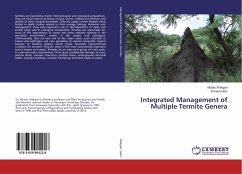
 Integrated Management of Multiple Termite Genera43,99 €
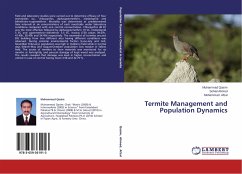
 Termite Management and Population Dynamics41,99 €
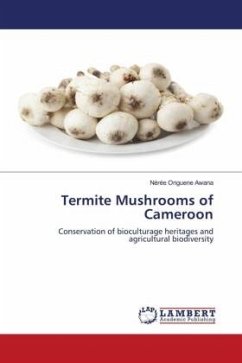
 Termite Mushrooms of Cameroon45,99 €
 Invitro Efficacy of B.Bassiana against Termites Helico and S.Obliqua24,99 €
 Sugar Cane Insect Pests36,99 €
 Wood Vinegars Coconut Shells Materials Termite Worker Striped Mealybug27,99 €
 Integrating Landscapes: Agroforestry for Biodiversity Conservation and Food Sovereignty226,99 €
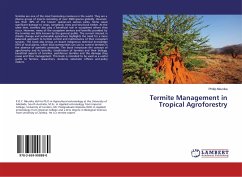
Termites are one of the most fascinating creatures in the world. They are a diverse group of insects consisting of over 2600 species globally. However, less than 30% of the known species are serious pests. Some cause significant damage to crops, rangeland, trees and structural timber. At the same time, termites also play a beneficial role in ecosystems where they occur. However, many of the ecosystem services and benefits provided by the termites are little known by the general public. The current interest in climate change and sustainable agriculture highlights the need for a more balanced approach to termite control and maintenance of their ecosystem services. The book also brings on board indigenous technical knowledge (ITK) of local plants, which local communities can use to control termites in the absence of synthetic pesticides. The book introduces the concept of agroforestry and its benefits, classification of termites and their biology, beneficial aspects of termites, pestiferous termites and the damage they cause and their management. This book is intended to be used as a useful guide to farmers, researchers, students, extension officers and policy makers.