
Andere Kunden interessierten sich auch für
 From Bilingual to Biliterate: Secondary Discourse Abilities in Bilingual Children's Story Telling84,65 €
 The Lexical Domain of Beauty and its Metaphors in the Anglo-Saxon Formulaic Style74,55 €
 Metaphor and Senses72,65 €
 In Search of the LSP Teacher's Competencies À la recherche des compétences des enseignants de LS60,50 €
 Contemporary International Literature and the Shoah59,95 €
 Medieval English Syntax64,85 €
 Polish Translation Studies in Action72,45 €
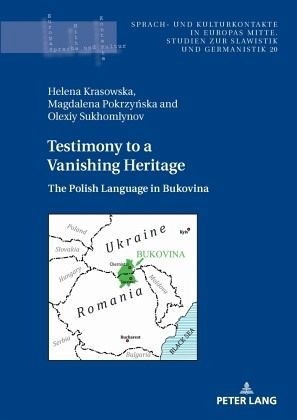
The book documents the spoken Polish of oldest Bukovina inhabitants - a geographical and historical region on the border of Ukraine and Romania. The spoken Polish in Bukovina is a dying heritage that holds a unique value for the Polish culture. It constitutes a conglomeration of local varieties of Polish, whose speakers arrived in waves from remote regions to an area that never belonged to the Polish state. These dialects then grew in long-term isolation from other versions of the Polish language while being surrounded by languages from three other groups: Germanic, Slavic, and Romance. The book provides numerous examples of the use of spoken Polish. The method used in the study - language as a guide to the experienced world - provides an insight into the world of Bukovina inhabitants, allowing readers to learn about the linguistic phenomena and sociocultural processes that underlie the everyday functioning of multilingual and multicultural social communities.