
Andere Kunden interessierten sich auch für
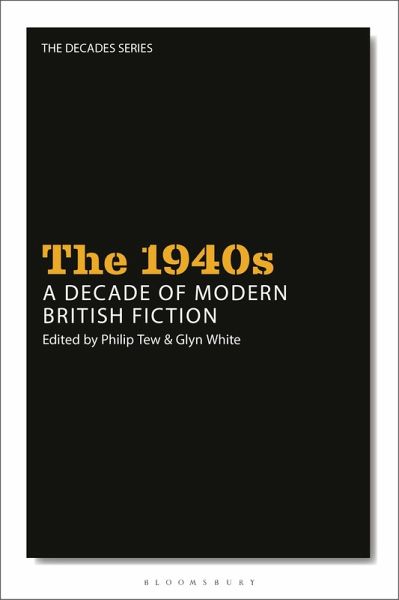
 International Poetry of the First World War42,99 €
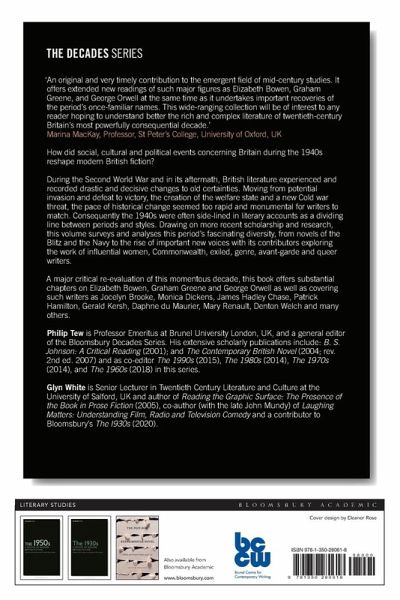
 The Works of Graham Greene, Volume 3: Additions & Essays44,99 €
 J. Hillis Miller and the Play of Literature58,99 €
 Durée as Einstein-in-the-Heart57,99 €
 Wallace Stevens and the Contemporary Irish Novel57,99 €
 Poems of the Great War14,99 €
 The Waste Land and Other Poems10,99 €
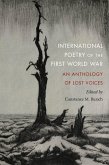
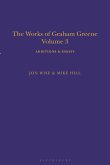

How did social, cultural and political events concerning Britain during the 1940s reshape modern British fiction? During the Second World War and in its aftermath, British literature experienced and recorded drastic and decisive changes to old certainties. Moving from potential invasion and defeat to victory, the creation of the welfare state and a new Cold war threat, the pace of historical change seemed too rapid and monumental for writers to match. Consequently the 1940s were often side-lined in literary accounts as a dividing line between periods and styles. Drawing on more recent scholarship and research, this volume surveys and analyses this period's fascinating diversity, from novels of the Blitz and the Navy to the rise of important new voices with its contributors exploring the work of influential women, Commonwealth, exiled, genre, avant-garde and queer writers. A major critical re-evaluation of the intriguing decade, this book offers substantial chapters on Elizabeth Bowen, Graham Greene, and George Orwell as well as covering such writers as Jocelyn Brooke, Monica Dickens, James Hadley Chase, Patrick Hamilton, Gerald Kersh, Daphne Du Maurier, Mary Renault, Denton Welch and many others.