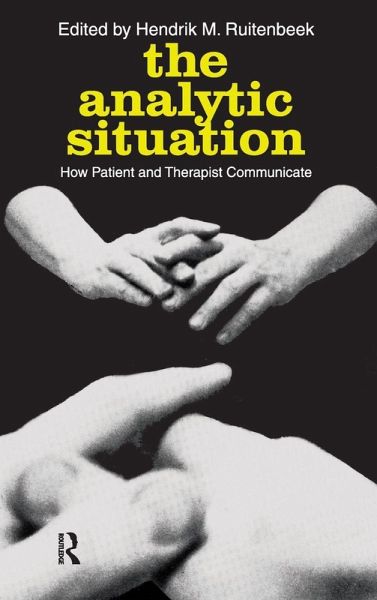
Significant as has been the role of psychoanalysis and psychotherapy in contemporary culture and society, its importance continues to grow at an accelerating rate as more specific, focused, and involving forms of therapy are devised
Significant as has been the role of psychoanalysis and psychotherapy in contemporary culture and society, its importance continues to grow at an accelerating rate as more specific, focused, and involving forms of therapy are devised
Introduction 1: The Origins of Transference 2: Silence as an Integrative Factor 3: Silence as Communication 4: On Silence 5: What Do I Do When the Patient Cries? 6: Patients Who Sleep or Look at the Psychoanalyst During Treatment 7: The Use of First Names in Psychotherapy 8: The Gift in Therapy 9: On Taking Notes 10: A Significant Comment Made by Patients When Relating their Dreams 11: Setting a Termination Date: An Impetus to Analysis 12: Therapeutic Results in Psychoanalytic Treatment Without Fee 13: I'm Not Getting Any Better 14: The Refusal to Mourn 15: The Technique of Employing Doctor-Patient Transactions in Psychoanalysis 16: Emotional Engagement of Patient and Analyst 17: The Therapeutic Encounter 18: The Importance of Flexibility in Psychoanalytic Technique 19: The Commitment to Intimacy 20: On the Rationale of Touch in Psychotherapy 21: To Touch-Or Not To Touch 22: Freud As Therapist: Include The Patient In Your World 23: Psychotherapy as a Source of the Therapist's Own Authenticity and Inauthenticity
Introduction; 1: The Origins of Transference; 2: Silence as an Integrative Factor; 3: Silence as Communication; 4: On Silence; 5: What Do I Do When the Patient Cries?; 6: Patients Who Sleep or Look at the Psychoanalyst During Treatment; 7: The Use of First Names in Psychotherapy; 8: The Gift in Therapy; 9: On Taking Notes; 10: A Significant Comment Made by Patients When Relating their Dreams; 11: Setting a Termination Date: An Impetus to Analysis; 12: Therapeutic Results in Psychoanalytic Treatment Without Fee; 13: I'm Not Getting Any Better; 14: The Refusal to Mourn; 15: The Technique of Employing Doctor-Patient Transactions in Psychoanalysis; 16: Emotional Engagement of Patient and Analyst; 17: The Therapeutic Encounter; 18: The Importance of Flexibility in Psychoanalytic Technique; 19: The Commitment to Intimacy; 20: On the Rationale of Touch in Psychotherapy; 21: To Touch-Or Not To Touch; 22: Freud As Therapist: Include The Patient In Your World; 23: Psychotherapy as a Source of the Therapist's Own Authenticity and Inauthenticity
Introduction 1: The Origins of Transference 2: Silence as an Integrative Factor 3: Silence as Communication 4: On Silence 5: What Do I Do When the Patient Cries? 6: Patients Who Sleep or Look at the Psychoanalyst During Treatment 7: The Use of First Names in Psychotherapy 8: The Gift in Therapy 9: On Taking Notes 10: A Significant Comment Made by Patients When Relating their Dreams 11: Setting a Termination Date: An Impetus to Analysis 12: Therapeutic Results in Psychoanalytic Treatment Without Fee 13: I'm Not Getting Any Better 14: The Refusal to Mourn 15: The Technique of Employing Doctor-Patient Transactions in Psychoanalysis 16: Emotional Engagement of Patient and Analyst 17: The Therapeutic Encounter 18: The Importance of Flexibility in Psychoanalytic Technique 19: The Commitment to Intimacy 20: On the Rationale of Touch in Psychotherapy 21: To Touch-Or Not To Touch 22: Freud As Therapist: Include The Patient In Your World 23: Psychotherapy as a Source of the Therapist's Own Authenticity and Inauthenticity
Introduction; 1: The Origins of Transference; 2: Silence as an Integrative Factor; 3: Silence as Communication; 4: On Silence; 5: What Do I Do When the Patient Cries?; 6: Patients Who Sleep or Look at the Psychoanalyst During Treatment; 7: The Use of First Names in Psychotherapy; 8: The Gift in Therapy; 9: On Taking Notes; 10: A Significant Comment Made by Patients When Relating their Dreams; 11: Setting a Termination Date: An Impetus to Analysis; 12: Therapeutic Results in Psychoanalytic Treatment Without Fee; 13: I'm Not Getting Any Better; 14: The Refusal to Mourn; 15: The Technique of Employing Doctor-Patient Transactions in Psychoanalysis; 16: Emotional Engagement of Patient and Analyst; 17: The Therapeutic Encounter; 18: The Importance of Flexibility in Psychoanalytic Technique; 19: The Commitment to Intimacy; 20: On the Rationale of Touch in Psychotherapy; 21: To Touch-Or Not To Touch; 22: Freud As Therapist: Include The Patient In Your World; 23: Psychotherapy as a Source of the Therapist's Own Authenticity and Inauthenticity
Es gelten unsere Allgemeinen Geschäftsbedingungen: www.buecher.de/agb
Impressum
www.buecher.de ist ein Internetauftritt der buecher.de internetstores GmbH
Geschäftsführung: Monica Sawhney | Roland Kölbl | Günter Hilger
Sitz der Gesellschaft: Batheyer Straße 115 - 117, 58099 Hagen
Postanschrift: Bürgermeister-Wegele-Str. 12, 86167 Augsburg
Amtsgericht Hagen HRB 13257
Steuernummer: 321/5800/1497
USt-IdNr: DE450055826