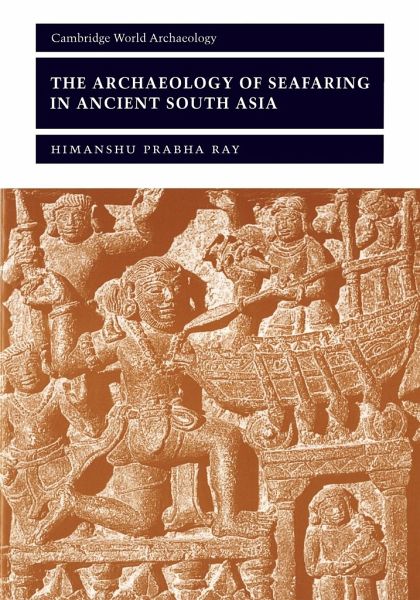
Prior to European expansion, communities of the Indian subcontinent had a strong maritime orientation. In this new archaeological study, Himanshu Prabha Ray explores seafaring activity, religious travel and political economy in this ancient period. By using archaeological data from the Red Sea to the Indonesian archipelago, she reveals how the early history of peninsular South Asia is interconnected with that of its Asian and Mediterranean partners in the Indian Ocean Region. The book departs from traditional studies, focusing on the communities' maritime history rather than agrarian expansion…mehr
Prior to European expansion, communities of the Indian subcontinent had a strong maritime orientation. In this new archaeological study, Himanshu Prabha Ray explores seafaring activity, religious travel and political economy in this ancient period. By using archaeological data from the Red Sea to the Indonesian archipelago, she reveals how the early history of peninsular South Asia is interconnected with that of its Asian and Mediterranean partners in the Indian Ocean Region. The book departs from traditional studies, focusing on the communities' maritime history rather than agrarian expansion and the emergence of the state. Rather than being a prime mover in social, economic and religious change, the state is viewed as just one participant in a complex interplay of social actors, including merchants, guilds, boat-builders, sailors, pilgrims, religious clergy and craft-producers. A study that will be welcomed by students of Archaeology and Ancient History, particularly those interested in South Asian Studies.
Himanshu Prabha Ray is Associate Professor at the Centre for Historical Studies, Jawaharlal Nehru University.
Inhaltsangabe
Part I. Historiography and the Maritime Landscape: 1. The perspective 2. Historiography 3. The maritime landscape 4. Geographical knowledge of the Indian Ocean in antiquity: Part II. Fishing and Sailing Communities: Cross-Cultural Contacts 5. Marine and coastal resources 6. Maritime communities 7. Boat nomads 8. Piracy 9. Fishing communities: the historical record 10. Sailing communities: Part III. La Longue Durée: Transportation Boat-Building Technology and Navigation: 11. Archaeology of the boat 12. The stitched tradition 13. Early European response 14. The ethnographic evidence 15. Boat-building centres 16. Traditional navigation 17. Ownership of vessels 18. Organisation of shipping 19. Organisation of shipping 20. Innovation and change 21. Repair and maintenance 22. Chronology of disjunction: Part IV. Maritime Trade Networks: The Beginnings (third-second millenia BCE) 23. Mesopotamian contacts 24. The Persian Gulf and early maritime networks 25. The Harappan civilization 26. The maritime regions of the Harappans 27. Networks of trade: internal 28. Transition and change: Part V. Regional Integration: (late second - first millennium BCE) 29. The Persian Gulf 30. Socotra 31. Peninsular India 32. Sri Lanka 33. Southeast Asia: Part VI. Consolidation of Political Structure: 34. The setting 35. Political concepts in early Buddhism: theory and practice 36. Satavahanas and their successors 37. Alliance as political strategy 38. The early policies in Sri Lanka 39. Political developments in early Southeast Asia 40. Royalty and ritual: Part VII. The Greeks: Adventurers, Traders and Travellers 41. The explorers 42. Hellenistic settlements 43. The Nabataeans, Sabeans and Gerrhaeans 44. The maritime network 45. Christian communities: Part VIII. Merchant Lineage and the Guild 46. Merchant communities and interaction with the state 47. Organisation of inland trade 48. The Indian Ocean network 49. Foreigners and trade networks 50. Money and the use of coins: Part IX. Multiple Meanings: Craft Production and Trade Networks: 51. The trading commodities 52. The textiles 53. Beads 54. Ivory 55. Metal artefacts 56. Organisation of crafts: Part X Shared Faith: 57. Social base of early Buddhism 58. The worship of the Stupa and the Relics 59. Pilgrimage 60. Ritual and ceremony 61. Buddhism and maritime activity 62. Archaeology of monastic sites 63. Continuity and change: Part XI. Retrospect and Prospect: 64. In conclusion 65. Future research strategy.
Part I. Historiography and the Maritime Landscape: 1. The perspective 2. Historiography 3. The maritime landscape 4. Geographical knowledge of the Indian Ocean in antiquity: Part II. Fishing and Sailing Communities: Cross-Cultural Contacts 5. Marine and coastal resources 6. Maritime communities 7. Boat nomads 8. Piracy 9. Fishing communities: the historical record 10. Sailing communities: Part III. La Longue Durée: Transportation Boat-Building Technology and Navigation: 11. Archaeology of the boat 12. The stitched tradition 13. Early European response 14. The ethnographic evidence 15. Boat-building centres 16. Traditional navigation 17. Ownership of vessels 18. Organisation of shipping 19. Organisation of shipping 20. Innovation and change 21. Repair and maintenance 22. Chronology of disjunction: Part IV. Maritime Trade Networks: The Beginnings (third-second millenia BCE) 23. Mesopotamian contacts 24. The Persian Gulf and early maritime networks 25. The Harappan civilization 26. The maritime regions of the Harappans 27. Networks of trade: internal 28. Transition and change: Part V. Regional Integration: (late second - first millennium BCE) 29. The Persian Gulf 30. Socotra 31. Peninsular India 32. Sri Lanka 33. Southeast Asia: Part VI. Consolidation of Political Structure: 34. The setting 35. Political concepts in early Buddhism: theory and practice 36. Satavahanas and their successors 37. Alliance as political strategy 38. The early policies in Sri Lanka 39. Political developments in early Southeast Asia 40. Royalty and ritual: Part VII. The Greeks: Adventurers, Traders and Travellers 41. The explorers 42. Hellenistic settlements 43. The Nabataeans, Sabeans and Gerrhaeans 44. The maritime network 45. Christian communities: Part VIII. Merchant Lineage and the Guild 46. Merchant communities and interaction with the state 47. Organisation of inland trade 48. The Indian Ocean network 49. Foreigners and trade networks 50. Money and the use of coins: Part IX. Multiple Meanings: Craft Production and Trade Networks: 51. The trading commodities 52. The textiles 53. Beads 54. Ivory 55. Metal artefacts 56. Organisation of crafts: Part X Shared Faith: 57. Social base of early Buddhism 58. The worship of the Stupa and the Relics 59. Pilgrimage 60. Ritual and ceremony 61. Buddhism and maritime activity 62. Archaeology of monastic sites 63. Continuity and change: Part XI. Retrospect and Prospect: 64. In conclusion 65. Future research strategy.
Es gelten unsere Allgemeinen Geschäftsbedingungen: www.buecher.de/agb
Impressum
www.buecher.de ist ein Internetauftritt der buecher.de internetstores GmbH
Geschäftsführung: Monica Sawhney | Roland Kölbl | Günter Hilger
Sitz der Gesellschaft: Batheyer Straße 115 - 117, 58099 Hagen
Postanschrift: Bürgermeister-Wegele-Str. 12, 86167 Augsburg
Amtsgericht Hagen HRB 13257
Steuernummer: 321/5800/1497
USt-IdNr: DE450055826