
Andere Kunden interessierten sich auch für
 Constructivist Approaches to Online Language Assessment91,99 €
 Navigating English Language Education in Malaysia34,99 €
 Emotional Vulnerability of Language Teachers in Digital Settings106,99 €
 English Language Education in Multicultural and Multilingual Settings129,99 €
 Decolonial Pedagogy53,99 €
 Promoting Language and STEAM as Human Rights in Education106,99 €
 Translanguaging in Australian Classrooms82,99 €


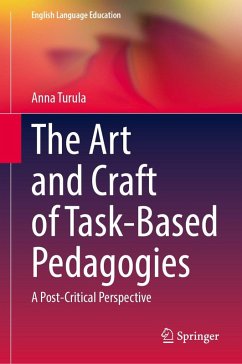
This book offers a fresh perspective on the effectiveness of task-based language teaching (TBLT), addressing the growing body of meta-studies that have examined the outcomes of TBLT pedagogies to date. A recurring theme in these meta-analyses is their inconclusive nature. This largely stems from the fact that many of the cited studies are small-scale, making their findings difficult to generalize to broader educational contexts. In response, the book advocates for a shift in focus: rather than seeking universal conclusions, it emphasizes the importance of identifying, researching, and promoting TBLT practices that have demonstrated significant success within specific local contexts. Grounded in a post-critical perspective with its affirmative stance, the book focuses on the final component of TBLT the teaching, and, specifically, TBLT areas of exception: innovative, creative and critical practices that enhance task-based pedagogies. This is a resource for researchers, teacher educators, and practitioners who seek a more nuanced, reflective, and affirming view of language teaching that embraces complexity, celebrates local successes, and reimagines what it means for TBLT to be truly effective.