
Andere Kunden interessierten sich auch für
 First Year Counterpoint14,99 €
 The Cambridge Companion to Music and Romanticism97,99 €
 The Cambridge Companion to the Eroica Symphony102,99 €
 The Cambridge Companion to Berg86,99 €
 The Cambridge Companion to the Orchestra85,99 €
 Guillaume Du Fay64,99 €
 The Answer Is - A Guide to the Lost Art of the Answer Record40,99 €

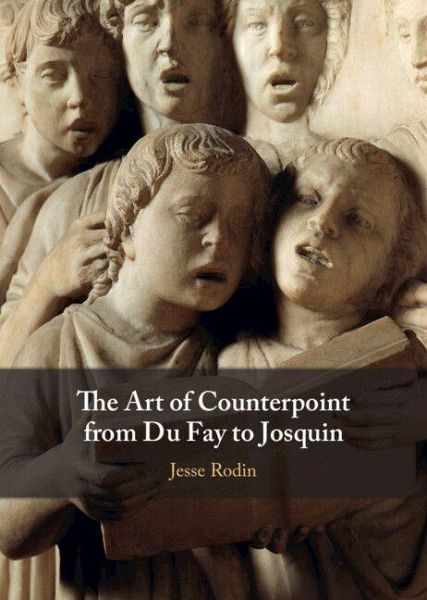
This book transforms our understanding of a fifteenth-century musical revolution. Renaissance composers developed fresh ways of handling musical flow in pursuit of intensifications, unexpected explosions, dramatic pauses, and sudden evaporations. A new esthetics of opposition, as this study calls it, can be contrasted with smoother and less goal-oriented approaches in music from before - and after - the period ca. 1425-1520. Casting wide evidentiary and repertorial nets, the book reinterprets central genres, theoretical concepts, historical documents, famous pieces, and periodizations; a provocative concluding chapter suggests that we moderns have tended to conceal the period's musical poetics by neglecting central evidence. Above all the book introduces an analytical approach sensitive to musical flow and invites new ways of hearing, performing, and thinking about music from Du Fay to Josquin.