Versandkostenfrei innerhalb Deutschlands
20,99 €
inkl. MwSt.
Versandkostenfrei*
Erscheint vorauss. 20. April 2026
Melden Sie sich
hier
hier
für den Produktalarm an, um über die Verfügbarkeit des Produkts informiert zu werden.
10 °P sammeln
- Broschiertes Buch
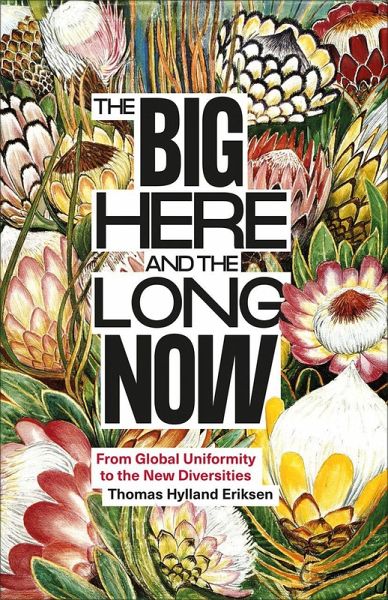
A spirited and engaging 'big picture' narrative of how we can reverse capitalism's relentless drive towards biocultural homogeneity
Andere Kunden interessierten sich auch für
Joel StillermanThe Sociology of Consumption28,99 €
Joel StillermanThe Sociology of Consumption68,99 €
Bernard StieglerSymbolic Misery, Volume 125,99 €
Bernard StieglerSymbolic Misery, Volume 222,99 €
Daniel MillerAu Pair23,99 €
Bernard StieglerSymbolic Misery, Volume 152,99 €
Bernard StieglerSymbolic Misery, Volume 261,99 €-
-
-
A spirited and engaging 'big picture' narrative of how we can reverse capitalism's relentless drive towards biocultural homogeneity
Produktdetails
- Produktdetails
- Verlag: Pluto Press
- Seitenzahl: 320
- Erscheinungstermin: 20. April 2026
- Englisch
- Gewicht: 454g
- ISBN-13: 9780745352220
- ISBN-10: 0745352227
- Artikelnr.: 75599976
- Herstellerkennzeichnung
- Libri GmbH
- Europaallee 1
- 36244 Bad Hersfeld
- gpsr@libri.de
- Verlag: Pluto Press
- Seitenzahl: 320
- Erscheinungstermin: 20. April 2026
- Englisch
- Gewicht: 454g
- ISBN-13: 9780745352220
- ISBN-10: 0745352227
- Artikelnr.: 75599976
- Herstellerkennzeichnung
- Libri GmbH
- Europaallee 1
- 36244 Bad Hersfeld
- gpsr@libri.de
Thomas Hylland Eriksen (1962 - 2024) was Professor of Social Anthropology at the University of Oslo and former President of the European Association of Social Anthropologists (EASA). He was among the most highly cited anthropologists of his generation, and his classic and accessible textbook Small Places, Large Issues remains a cornerstone in anthropology courses. His later books, including Overheating, tackled the important issue of climate change within the discipline.
Introduction: The big here and the long now
Part I. A global history of standardisation
1. Narratives of loss
2. Everything was not better before
3. The world after 1492
4. The global bulldozers: State and market
5. Global capitalism and flexibility loss
Part II. Overheating in the 21st century
6. The world after 1991
7. The Homogenocene
8. The smartphone and the container ship
9. The botanical garden - and the zoological one
10. Concrete
11. Soil
12. Invasions
13. Language
14. Food
15. The sensory system
16. Modules in an appified world
17. The good homogenisation
Part III. Miracles of creolisation
18. David and Goliath
19. Cracks in the concrete
20. Biocultural reconciliation
21. Crossing boundaries
22. Unclean diversity
23. The miracle of creolisation
24. TAMA
Part I. A global history of standardisation
1. Narratives of loss
2. Everything was not better before
3. The world after 1492
4. The global bulldozers: State and market
5. Global capitalism and flexibility loss
Part II. Overheating in the 21st century
6. The world after 1991
7. The Homogenocene
8. The smartphone and the container ship
9. The botanical garden - and the zoological one
10. Concrete
11. Soil
12. Invasions
13. Language
14. Food
15. The sensory system
16. Modules in an appified world
17. The good homogenisation
Part III. Miracles of creolisation
18. David and Goliath
19. Cracks in the concrete
20. Biocultural reconciliation
21. Crossing boundaries
22. Unclean diversity
23. The miracle of creolisation
24. TAMA
Introduction: The big here and the long now
Part I. A global history of standardisation
1. Narratives of loss
2. Everything was not better before
3. The world after 1492
4. The global bulldozers: State and market
5. Global capitalism and flexibility loss
Part II. Overheating in the 21st century
6. The world after 1991
7. The Homogenocene
8. The smartphone and the container ship
9. The botanical garden - and the zoological one
10. Concrete
11. Soil
12. Invasions
13. Language
14. Food
15. The sensory system
16. Modules in an appified world
17. The good homogenisation
Part III. Miracles of creolisation
18. David and Goliath
19. Cracks in the concrete
20. Biocultural reconciliation
21. Crossing boundaries
22. Unclean diversity
23. The miracle of creolisation
24. TAMA
Part I. A global history of standardisation
1. Narratives of loss
2. Everything was not better before
3. The world after 1492
4. The global bulldozers: State and market
5. Global capitalism and flexibility loss
Part II. Overheating in the 21st century
6. The world after 1991
7. The Homogenocene
8. The smartphone and the container ship
9. The botanical garden - and the zoological one
10. Concrete
11. Soil
12. Invasions
13. Language
14. Food
15. The sensory system
16. Modules in an appified world
17. The good homogenisation
Part III. Miracles of creolisation
18. David and Goliath
19. Cracks in the concrete
20. Biocultural reconciliation
21. Crossing boundaries
22. Unclean diversity
23. The miracle of creolisation
24. TAMA