76,99 €
inkl. MwSt.
Versandkostenfrei*Erscheint vorauss. 11. Juni 2026
Melden Sie sich
hier
hier
für den Produktalarm an, um über die Verfügbarkeit des Produkts informiert zu werden.

38 °P sammeln
Andere Kunden interessierten sich auch für
 Fünfzig Jahre Nelkenrevolution53,00 €
 The Indo-Pacific Theatre149,99 €
 The Great White Way31,99 €
 The Theatre of Death61,99 €
 The Palais Theatre28,99 €
 Stillness in Motion in the Seventeenth Century Theatre29,99 €
![]() "Sorry. I am what I am." The Life and Letters of the South African Pianist and Opera Coach Gordon Jephtas (1943- 92)37,99 €
"Sorry. I am what I am." The Life and Letters of the South African Pianist and Opera Coach Gordon Jephtas (1943- 92)37,99 €


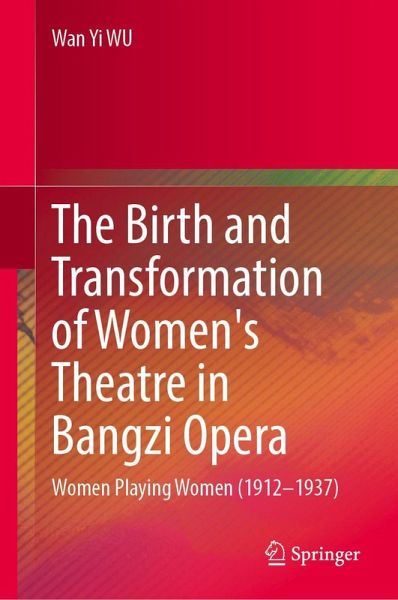
This book focuses on the historical evolution of Bangzi opera, also known as Clapper opera, now collectively referred to as Hebei Bangzi. This form of Chinese opera enjoyed significant popularity primarily in Beijing and Tianjin during the four decades from 1900 to the 1930s, which were marked as a pivotal era in the transformation and evolution of traditional Chinese society, with significant cultural progress. This book unpacks the important shifts that occurred in drama, encompassing industry changes, genre evolution, advances in the performing arts, and literary transformations within the theater. Bangzi opera is shown as one of the earliest genres to cultivate professional female actors and troupes in the early twentieth century, seeing the establishment of unique female singing and acting techniques, but also the creation of numerous new plays that mirrored the zeitgeist and commented on prevailing social conditions. Particularly noteworthy were works focusing on women and families, which broke away from traditional narrative content and pioneered new story genres. The book shows that, despite their disadvantaged status as women, the female actors who played in these performances demonstrated remarkable resilience, performing on stage in an era of political repression and warlordism. Through this history of Bangzi opera, the book offers a compelling narrative of female actors who overcame social constraints to become leading figures on the stage in early twentieth-century Beijing. It is relevant to Chinese historians, gender studies scholars, and theater and performance scholars with a particular interest in the history of opera, from East to West.