
Andere Kunden interessierten sich auch für
 Piping Hot!22,99 €
 The Open Boat7,40 €
 The Heir of Mondolfo7,20 €
 The Island of Enchantment6,20 €
 The Land of Cockayne24,99 €
 The Land of Cockayne22,99 €
 The Price of Blood: An Extravaganza of New York Life in 180717,99 €





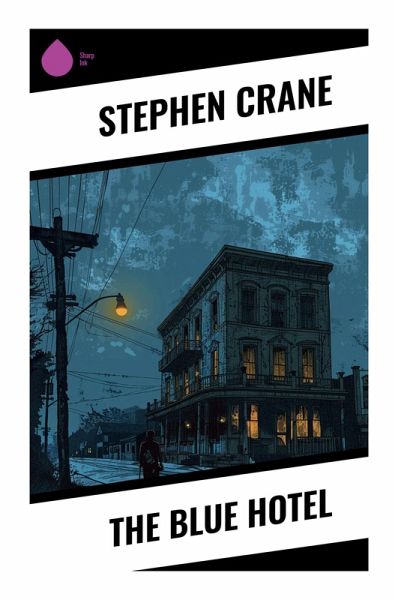
Stephen Crane's "The Blue Hotel" intricately explores themes of fate, isolation, and the human condition through a vivid narrative set in a Nebraska hotel during the harsh winter of the American West. Utilizing a naturalistic style, Crane adeptly reveals the psychological complexities of his characters as they confront their fears and insecurities. The story's atmospheric tension is encapsulated in the titular hotel, which serves as both a refuge and a prison, symbolizing the characters' internal struggles against an indifferent universe. Crane's dispassionate yet poignant prose invites readers to examine the darker facets of human nature, nuanced by his own experiences in transient accommodations and the tumult of late 19th-century America. Stephen Crane, renowned for his groundbreaking works, including "The Red Badge of Courage," cultivated a keen interest in human psychology and social dynamics through his journalistic endeavors. His experiences as a war correspondent during the Spanish-American War and his fascination with the marginalized and imperfect characters of society deeply influenced the writing of "The Blue Hotel," reflecting the tensions and existential dilemmas of his time. Crane's unique perspective as a literary figure positioned at the crossroads of realism and impressionism permeates the narrative, offering a profound commentary on human existence. "The Blue Hotel" is a compelling recommendation for readers who appreciate rich character studies and existential themes. Crane's ability to distill the anxieties of his characters into a tight narrative makes this work essential for anyone seeking to understand the complexities of American literature. Engaging with this text not only offers a glimpse into the psychological landscape of the 19th century but also invites readers to ponder their own experiences of fear and isolation.