
Andere Kunden interessierten sich auch für
 In The Midst Of Life28,99 €
 How to Live When You Could Be Dead15,99 €
 The Best Death19,99 €
 The Nature of the Journey26,99 €
 The Green Burial Guidebook14,99 €
 Objects of the Dead16,99 €
 Let's Talk About It. Now!13,99 €
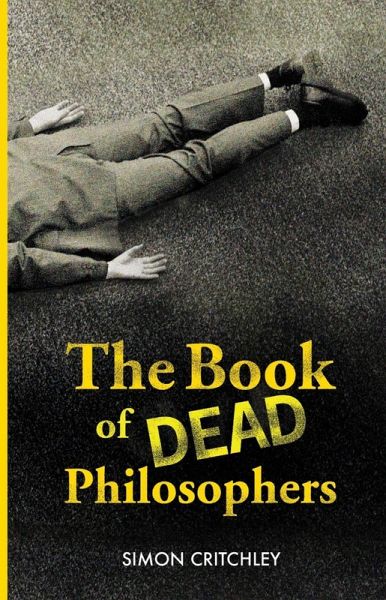
The Book of Dead Philosophers chronicles the deaths of almost 200 philosophers-tales of weirdness, madness, suicide, murder, pathos and bad luck. Diogenes died by holding his breath. Plato allegedly died of a lice infestation. Diderot choked to death on an apricot. Nietzsche made a long, soft-brained and dribbling descent into oblivion after kissing a horse in Turin. From the self-mocking haikus of Zen masters on their deathbeds to the last words (gasps) of modern-day sages, The Book of Dead Philosophers chronicles the deaths of almost 200 philosophers-tales of weirdness, madness, suicide, murder, pathos and bad luck. In this elegant and amusing book, Simon Critchley argues that the question of what constitutes a 'good death' has been the central preoccupation of philosophy since ancient times. As he brilliantly demonstrates, looking at what the great thinkers have said about death inspires a life-affirming enquiry into the meaning and possibility of human happiness. In learning how to die, we learn how to live.