
Andere Kunden interessierten sich auch für
 One Flew Over the Cuckoo's Nest24,99 €
 Edgar Allan Poe17,99 €
 The Evolutionist15,99 €
 Apples15,99 €
 Poems20,99 €
 The Metamorphoses7,99 €
 More Pricks Than Kicks12,99 €





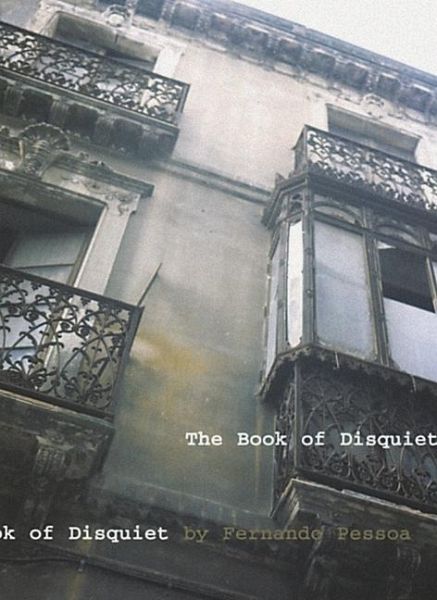
The discovery in the 1990s of the Portuguese writer Fernando Pessoa (1888-1935) is reminiscent of the discovery of Kafka in the 1950s. Much of Pessoa's mystique comes from his unique practice of writing under different "heteronyms", each of which generated radically different texts. In THE BOOK OF DISQUIET, Pessoa came as close as he would to autobiography. Here is a 20th-century masterpiece in its best English translation and most affordable edition.
Pessoa's most famous work depicts a vast interior landscape laced with daily minutiae and aphoristic brilliance The eternal mystique of Portuguese writer Fernando Pessoa (1888-1935) stems largely from his practice of writing under "heteronyms." More than just nom de plumes, Pessoa's heteronyms came with distinct biographies, careers, life spans, even horoscopes. In The Book of Disquiet, Pessoa came as close as he ever would to autobiography. Left on disordered scraps of paper in a trunk, the fragments that make up The Book of Disquiet record in disjunct entries a vast interior landscape and daily minutiae, making for a discontinuous, gently unhinged monologue in daybook form.
Pessoa's most famous work depicts a vast interior landscape laced with daily minutiae and aphoristic brilliance The eternal mystique of Portuguese writer Fernando Pessoa (1888-1935) stems largely from his practice of writing under "heteronyms." More than just nom de plumes, Pessoa's heteronyms came with distinct biographies, careers, life spans, even horoscopes. In The Book of Disquiet, Pessoa came as close as he ever would to autobiography. Left on disordered scraps of paper in a trunk, the fragments that make up The Book of Disquiet record in disjunct entries a vast interior landscape and daily minutiae, making for a discontinuous, gently unhinged monologue in daybook form.