
Andere Kunden interessierten sich auch für
 The Call of Cthulhu7,60 €
 Reassuring Tales18,99 €
 Hinter dem Wahnsinn15,99 €
 The Cthulhu Tome38,99 €
 The Indigo People18,99 €
 Beware Us Flowers of the Annihilator17,99 €
 The Barre Incidents18,99 €


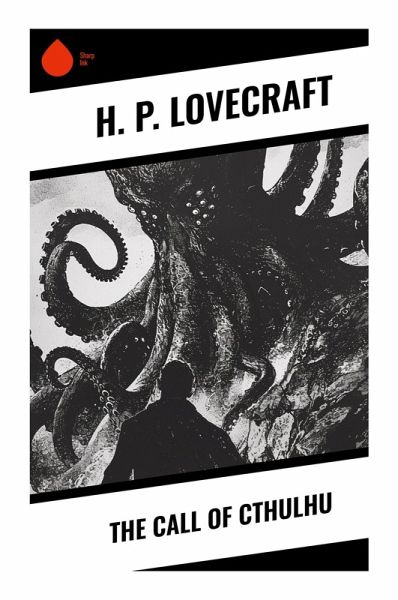
In "The Call of Cthulhu," H. P. Lovecraft crafts a seminal work of cosmic horror that explores the insignificance of humanity in the vast, indifferent universe. Through an intricate structure composed of multiple narratives-including the unsettling accounts of Francis Wayland Thurston-the novella delves into the themes of forbidden knowledge, existential dread, and the fragility of sanity. Lovecraft's unique prose and imaginative world-building reflect the early 20th-century literary context, where Modernism began to question traditional narratives and delve into the subconscious. His use of rich, archaic language and atmosphere creates a harrowing immersion into a nightmarish landscape populated by ancient deities, particularly the iconic Cthulhu, whose awakening threatens the very fabric of reality itself. H. P. Lovecraft, an influential figure in the realm of weird fiction, was profoundly shaped by his own tumultuous experiences, including his struggles with mental health and societal isolation. These personal themes resonate throughout his oeuvre, and "The Call of Cthulhu" stands as a manifestation of his concerns with both cosmic nihilism and the dangers of knowledge. Lovecraft's encounters with literature, philosophy, and science fiction of his time shaped his riveting narrative style and themes of the uncanny. I highly recommend "The Call of Cthulhu" to readers intrigued by the darker facets of existence and the exploration of humanity's place within an uncaring universe. Lovecraft's rich imagery and chilling atmosphere will leave an indelible mark on your psyche, inviting profound reflection on the mysteries that lie beyond our comprehension.