
Andere Kunden interessierten sich auch für
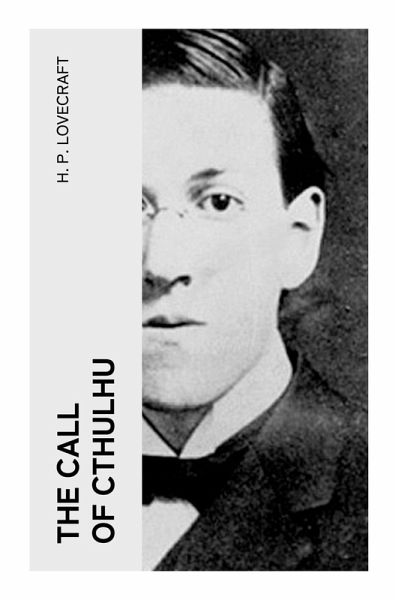
 The Call of Cthulhu7,10 €
 The Cthulhu Tome38,99 €
 The Cats of Cthulhu & The Kitten in Yellow18,99 €
 City of the Lost10,99 €
 When the Dead Call17,99 €
 Mad Dog and the Call to Duty16,99 €
 The Call of Karaha21,99 €



In "The Call of Cthulhu," H. P. Lovecraft masterfully intertwines cosmic horror with innovative narrative techniques, presenting a chilling tale that extends beyond the confines of human imagination. Written in 1928 and set within an ominous universe populated by ancient, malevolent deities, the novella employs a fragmented narrative structure. This approach not only amplifies the sense of dread and uncertainty but also reinforces its themes of existentialism and the insignificance of humanity in the face of incomprehensible forces. Lovecraft's lush, archaic prose immerses readers in a meticulously crafted atmosphere, where knowledge becomes a curse and curiosity leads to madness. H. P. Lovecraft, an influential figure in American literature, drew upon his experiences with isolation and his fascination with the unknown to create his groundbreaking work. His troubled childhood and a life spent in a small, insular town fueled his imagination, yielding a unique vision characterized by a fusion of existential philosophy and otherworldly mythology. Lovecraft's background in science and his voracious reading of classic literature further shaped his distinctive style, allowing him to define a new subgenre of horror that resonates to this day. "The Call of Cthulhu" is essential reading for anyone intrigued by the nuances of horror literature or the exploration of humanity's frailty when confronted with cosmic forces. Lovecraft's seminal work not only invites readers into a haunting realm but also challenges their perceptions of reality, making it a cornerstone of the horror genre and a thought-provoking experience.