15,99 €
inkl. MwSt.
Versandkostenfrei*Erscheint vorauss. 2. Juni 2026
Melden Sie sich
hier
hier
für den Produktalarm an, um über die Verfügbarkeit des Produkts informiert zu werden.

8 °P sammeln
Andere Kunden interessierten sich auch für
 Shell Shocked18,99 €
 The Black Press28,99 €
 Hijacking History: American Culture and the War on Terror28,99 €
 Betrayed Armenia15,99 €
 First Ladies and the Press: The Unfinished Partnership of the Media Age24,99 €
 Nuclear Weapons and International Law: From the London Nuclear Warfare Tribunal via the International Court of Justice Advisory Opinion to Contemporar25,99 €
 Writing JFK: Presidential Rhetoric and the Press in the Bay of Pigs Crisis12,99 €
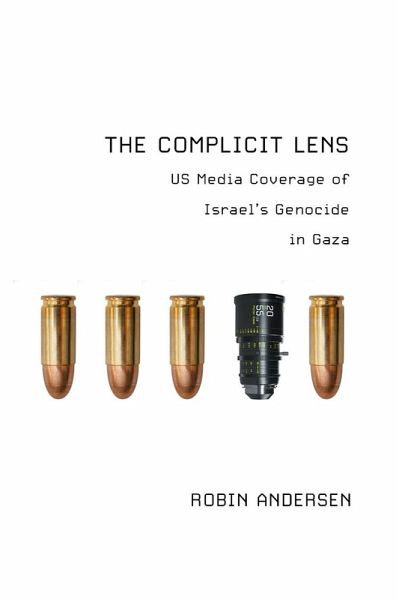
A media scholar examines how US establishment outlets echo Israeli narratives on Gaza, miminimizing atrocities like the Flour Massacre as “aid-related deaths” to whitewash genocide and excuse war crimes amid global outrage. This vitally necessary and carefully researched book examines the way US establishment media ran interference for Israel’s ongoing genocide in Gaza, aligning its coverage with Israeli military narratives whilst downplaying, and even condoning, the wholesale massacre of Palestinians. Commencing with the October 7, 2023, attack, The Complicit Lens scrutinizes mainstream journalism, contrasting it with social media reports and international news coverage. It reveals how legacy media presented Israeli violence as defensive and justified, casting doubt on IDF bombings, employing passive language to deflect blame for atrocities, and repeating Israeli talking points, often word-for-word. Massacres of those seeking food became “aid-related deaths,” whilst missile attacks on tented refugees were “tragic mistakes.” Meanwhile, well-worn tropes of war propaganda, including claims of the beheading of babies and mass rapes, subsequently revealed to be without foundation, were used to justify Israeli actions and obscure culpability. Andersen documents the targeting of journalists and aid workers in what has become the deadliest conflict for each on record. She spotlights the editorial censorship that prohibited the use of terms such as “genocide” and “massacre” in the reporting of Palestinian deaths. And, as global protests against the Gaza genocide gathered strength, she examines the hostile media portrayal of these uprisings, particularly those led by young people and Jewish organizations.