
Andere Kunden interessierten sich auch für
 Diagnosing the Psychological Consequences of Trauma62,99 €
 Mapping the Social Consequences of Alcohol Consumption76,99 €
 Destructive Leadership in the Workplace and its Consequences43,99 €
 Consequences of low Human Needs39,99 €
 Protecting Children Against Bullying and its Consequences53,99 €
 Military Deployment and its Consequences for Families113,99 €
 Military Deployment and its Consequences for Families113,99 €






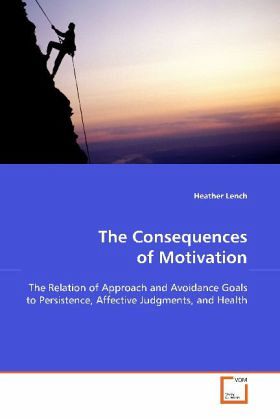
We pursue goals every day for our relationships,
jobs, leisure, and personal growth. The quality of a
life depends to a large extent on attaining positive
outcomes and avoiding negative outcomes. To
accomplish these goals, people must pay attention to
the outcome and invest effort in pursuit of the goal.
Emotion serves to motivate people physically and
mentally to pursue goals, but the specific emotions
that people experience is likely to vary depending on
the type of goal being pursued. Avoiding a rushing
tiger is best facilitated by fear, whereas winning a
marathon is best facilitated by increasing excitement
as the finish line approaches. This publication
includes theory and research examining the
consequences of goals and emotional reactions for
persistence during difficult tasks, affective
judgments and health.
jobs, leisure, and personal growth. The quality of a
life depends to a large extent on attaining positive
outcomes and avoiding negative outcomes. To
accomplish these goals, people must pay attention to
the outcome and invest effort in pursuit of the goal.
Emotion serves to motivate people physically and
mentally to pursue goals, but the specific emotions
that people experience is likely to vary depending on
the type of goal being pursued. Avoiding a rushing
tiger is best facilitated by fear, whereas winning a
marathon is best facilitated by increasing excitement
as the finish line approaches. This publication
includes theory and research examining the
consequences of goals and emotional reactions for
persistence during difficult tasks, affective
judgments and health.