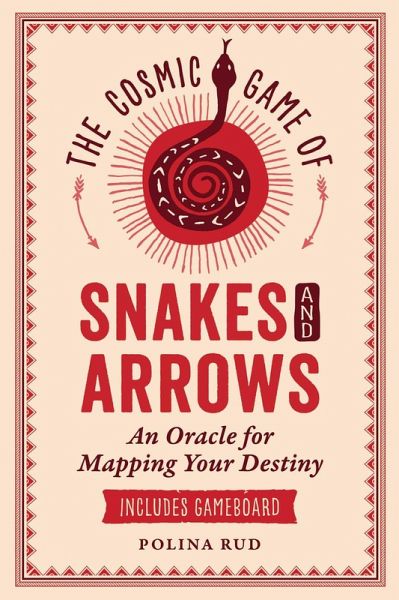
A profound and modern approach to playing the ancient board game • Offers a comprehensive guide to the traditional Hindu game gyān caupar—a predecessor to Snakes and Arrows—and includes a three-color gameboard allowing readers to play • Analyzes archetypes of consciousness with the 72 squares of gyān caupar, enriched by spiritual references to deepen the game’s messages • Offers instruction for conducting personal development ceremonies and receiving guidance from the game The origins of Snakes and Arrows trace back to gyan caupar, or the “game of knowledge,” a spiritual board game from…mehr
A profound and modern approach to playing the ancient board game • Offers a comprehensive guide to the traditional Hindu game gyān caupar—a predecessor to Snakes and Arrows—and includes a three-color gameboard allowing readers to play • Analyzes archetypes of consciousness with the 72 squares of gyān caupar, enriched by spiritual references to deepen the game’s messages • Offers instruction for conducting personal development ceremonies and receiving guidance from the game The origins of Snakes and Arrows trace back to gyan caupar, or the “game of knowledge,” a spiritual board game from ancient India. Like other forms of divination, such as the I Ching and the Tarot, the game offers a playful yet profound approach to explore the self, the present, and the future as well as understand one’s destiny. Polina Rud delves into the oracle, shedding light on gyan caupar’s archetypal wisdom and its power as a divinatory tool. Using a 72-square gameboard, players are invited to step back and observe their lives from above, seeing the emotional and behavioral patterns that guide their steps and, at times, lead them astray. Rud shows how the 72 squares represent different levels of human experience. Each square provides a philosophical key while practical exercises reveal the hidden beliefs and obstacles that hinder progress in the area of life that matters most to the player. The game’s ascending path mirrors spiritual evolution and guides players toward enlightenment, akin to systems like the Kabbalistic Tree of Life or the Road to Paradise. Rud shows how gyan caupar symbolizes the psyche’s journey, leading toward the ultimate prize: cosmic consciousness. The Cosmic Game of Snakes and Arrows offers a way to learn more deeply about who you are while fostering a connection with the divine.
Polina Rud, a doctoral candidate in art history at Moscow University with a master’s in international relations, is an art curator and lecturer. With expertise in Theosophy, Nordic runic oracles, and Hindu astrology, she combines therapeutic experience, including mental health and suicide risk training at UNAM, with diverse spiritual teachings. A renowned gyan caupar guide, she helps individuals uncover hidden obstacles. She lives in Mexico City.
Inhaltsangabe
Acknowledgments History of Snakes and Arrows: Befriending Uncertainty Gyan Caupar and My Journey Through Grief How to Play Snakes and Arrows Basic Archetypes: Dissecting the Human Consciousness GAME INTERPRETATION: THE COMPLETE GUIDE Level 1: The Inner Landscape 1 ▼ Janma ▼ Birth 2 ▼ Maya ▼ Illusion 3 ▼ Krodha ▼ Anger 4 ▼ Lobha ▼ Greed 5 ▼ Bhu Loka ▼ Physical Plane 6 ▼ Moha ▼ Attachments 7 ▼ Mada ▼ Vanity 8 ▼ Matsara ▼ Avidity 9 ▼ Kama Loka ▼ Desires Level 2: Engaging with Others 10 ▼ Shuddhi ▼ Purification 11 ▼ Gandharva ▼ Entertainment 12 ▼ Irasya ▼ Envy 13 ▼ Antariksha ▼ Nullity 14 ▼ Bhuvar Loka ▼ Astral Plane 15 ▼ Naga Loka ▼ Fantasy 16 ▼ Dvesha ▼ Jealousy 17 ▼ Daya ▼ Compassion 18 ▼ Harsha Loka ▼ Joy Level 3: Mirroring the Psyche 19 ▼ Karma ▼ Action 20 ▼ Dana ▼ Charity 21 ▼ Ksaman’Paap ▼ Redemption 22 ▼ Dharma ▼ Living in Harmony with Yourself 23 ▼ Swarga Loka ▼ Heaven 24 ▼ Ku Sang Loka ▼ Bad Company 25 ▼ Su Sang Loka ▼ Good Company 26 ▼ Dukha ▼ Sadness 27 ▼ Param Artha ▼ Selfless Service Level 4: Revealing Higher Intuition 28 ▼ Sudharma ▼ Confidence 29 ▼ Adharma ▼ Blind Faith 30 ▼ Uttama Gati ▼ Good Tendencies 31 ▼ Yaksha Loka ▼ Sanctuary 32 ▼ Mahar Loka ▼ Balance 33 ▼ Gandha Loka ▼ Fragrance 34 ▼ Rasa Loka ▼ Taste 35 ▼ Naraka Loka ▼ Purgatory 36 ▼ Swatccha ▼ Clarity of Conscience Level 5: Managing Your Vital Energy 37 ▼ Jnana ▼ Wisdom 38 ▼ Prana Loka ▼ Vital Impulse 39 ▼ Apana Loka ▼ Elimination 40 ▼ Vyana Loka ▼ Circulation 41 ▼ Jana Loka ▼ Human Plane 42 ▼ Agni Loka ▼ Fire 43 ▼ Janma ▼ Second Birth 44 ▼ Avidya ▼ Ignorance 45 ▼ Suvidya ▼ Accurate Knowledge Level 6: The Journey of Self— Navigating the Cosmic and the Earthly 46 ▼ Viveka ▼ Discernment 47 ▼ Saraswati ▼ Neutrality 48 ▼ Yamuna ▼ Solar Plane 49 ▼ Ganga ▼ Moon Plane 50 ▼ Tapa Loka ▼ Austerity 51 ▼ Prithvi ▼ The Earth 52 ▼ Himsa Loka ▼ Violence 53 ▼ Jala Loka ▼ Liquid Plane 54 ▼ Bhakti ▼ Devotion Level 7: Dancing Between Light and Darkness 55 ▼ Ahamkara ▼ Egocentrism 56 ▼ Omkara ▼ Divine Sound 57 ▼ Vayu Loka ▼ Air Plane 58 ▼ Loka Roff Tile ▼ Light Plane 59 ▼ Satya Loka ▼ The Truth 60 ▼ Subudhi ▼ Positivity 61 ▼ Durbudhi ▼ Negativity 62 ▼ Sukh ▼ Happiness 63 ▼ Tamas ▼ Darkness Level 8: The Higher Self— Connecting with the Divine 64 ▼ Prakriti Loka ▼ Phenomenal Plane 65 ▼ Uranta Loka ▼ Inner Space 66 ▼ Ananda Loka ▼ Bliss 67 ▼ Rudra Loka ▼ Abandoning Concepts 68 ▼ Vaikuntha Loka ▼ Cosmic Consciousness 69 ▼ Brahma Loka ▼ Absolute Plane 70 ▼ Sattva Guna ▼ Inner Peace 71 ▼ Raja Guna ▼ Consciousness in Action 72 ▼ Tamas Guna ▼ Unconsciousness Afterword Notes Bibliography Game Board