
Andere Kunden interessierten sich auch für
 Print and the Novel in 19th Century Kerala112,99 €
 Retrieving the Crip Outsider112,99 €
 World Literature and the Question of Genre in Colonial India112,99 €
 Modernist Transitions112,99 €
 Interpreting Literature from Northeast India112,99 €
 Analysis of the Phenomena of the Human Mind32,99 €
 John Barleycorn29,99 €


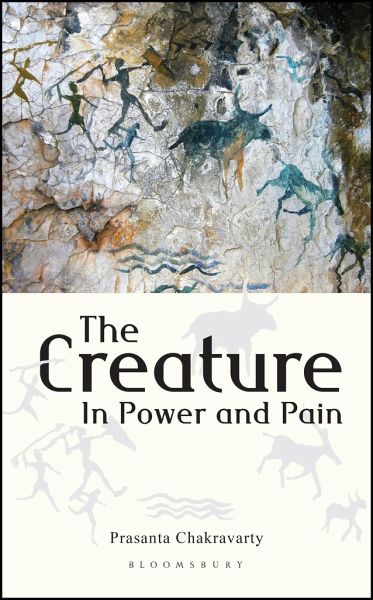
The Creature is an invitation to follow the mechanics between power and pain, which begets the creature. Creatures confront power in, and through, conjunctures of radical contingency. The casual use of power is an exercise in distraction. It is an abiding conundrum that those who endure affliction also exert it as a force over other living bodies in equal measure-not as acts of vengeance or bad faith, but through deeds of forgetful randomness. To ensure social indemnity and security, creatures exercise force over kindred embodiments through a process of collective mimicry. In the bargain, creatures begin to disfigure and distort each other. The line between mutual slaughter and mutual embrace begins to blur. Each transgresses its own soul. At other times, power is an opaque, magisterial and disdainful style of conveyance. It reveals itself out of nowhere. But the steadfast creature is as resilient as it is vulnerable. The more it endures, the greater its perdurance. Perduring creatures may sometimes gain a second sight, forged out of a sense of lyricality, love and abdication. But is abdication, or taking refuge in the wondrous, sufficient to release all creatures from the fatal loop of power and pain? Or will they have to slowly shed creaturely affliction by a rigorous process of decreation? Sifting through the writings of Giambattista Vico, Niccolò Machiavelli, Gabriel Tarde, Miguel de Unamuno, Jibanananda Das, Lev Shestov, Raymond Geuss, Jean Starobinski, Ernst Bloch, Simone Weil, Simon Critchley, Sarah Kane and others, this volume explores the creaturely predicament and its possibilities of freedom. The five chapters in Book I lay down fundamental questions for the creaturely condition: the question of mimicry, the relationship between taking initiative and being hounded, the bridge between senses and destitution, and the vehemence of radical contingency. Book II posits the question of skepticism, fideism and their connection to resilience and generosity in creatures. Book III is entirely devoted to various ways of conceiving the aesthetic: through the tragic, the epiphanic, the catastrophic and through militant material eruptions. Book II and III essentially delve into the sites of freedom that lurk within the condition of the creaturely. Book IV is constituted of a single chapter on the subject of decreation; it grapples with questions of attention, anonymity and abdication.